Best AI Rank Tracker Software in 2026: 9 Tools Compared
By ToolNimba Editorial Team October 30, 2026 10 min read

- Top pick
 SE Ranking
Best overall value
Starting price$129 per monthCheck out SE RankingRead our review - Runner-up
 Ahrefs
Backlink-led SEO teams
Starting price$29 per monthCheck out AhrefsRead our review - Also great
 Semrush
All-in-one SEO suites
Starting price$139 per monthCheck out SemrushRead our review
How we researched this
We compared official pricing and feature pages, app store listings, privacy policies and public user reviews. Prices change, so check the provider's site before you pay.
Key takeaways
- The best AI rank tracker software now tracks both classic Google rankings and mentions in AI answers, not just one of them.
- SE Ranking gives the most keywords per dollar at entry level, while AccuRanker suits large agencies that need fast, on-demand checks.
- Free options are limited to your own site, so Google Search Console works as a baseline, not as a full replacement for a paid tracker.
- Prices change often, so check the vendor pricing page before you buy, especially for AI add-ons that sit outside the base plan.
- Our pick for most people is SE Ranking for value, with Nightwatch as a strong choice if AI tracking matters on every plan.
Quick comparison
| Name | Best for | Starting price | Free plan | |
|---|---|---|---|---|
| SE Ranking | Best overall value | $129 per month | Free trial | Visit |
| Ahrefs | Backlink-led SEO teams | $29 per month | No | Visit |
| Semrush | All-in-one SEO suites | $139 per month | Free trial | Visit |
 AccuRanker | Large agencies | $224 per month | Free trial | Visit |
 Nightwatch | AI tracking on every plan | See website | Free trial | Visit |
 Wincher | Simple daily tracking | $49 per month | Free trial | Visit |
 OtterlyAI | Low-friction AI visibility | $29 per month | No | Visit |
 Keyword.com | Budget AI tracking | $4 per month | Free trial | Visit |
 Google Search Console | Free baseline data | Free | Yes | Visit |
The best AI rank tracker software
AI answers now shape clicks, so a tracker that only watches Google can miss part of the picture. The tools below cover classic rankings, AI Overviews, or chatbot answers, and we note where each one draws the line.
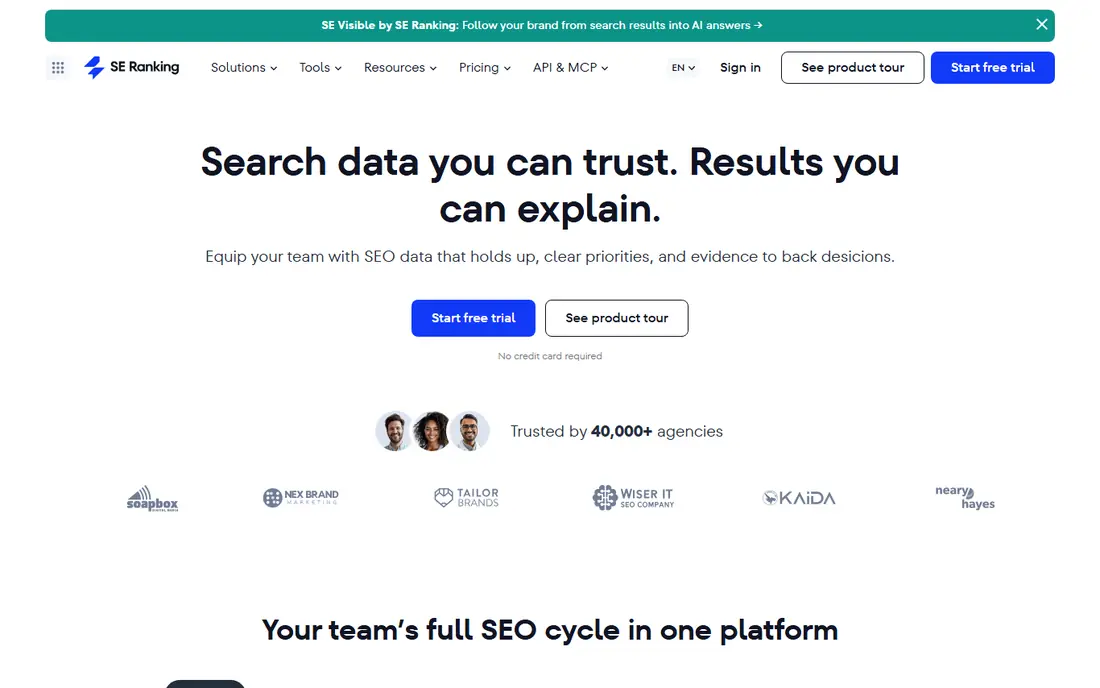
SE Ranking is our pick for most small teams because the Core plan covers 2,000 keywords with daily updates, which is generous for the price. It also bundles site audits, backlink checks, and keyword research, so you are not buying a single-purpose tool. That breadth helps when one person handles most of the SEO work.
The catch is that AI visibility is not always included in the cheapest plan in the same way, and you should confirm the current add-on price before you commit. Reports are solid, though the dashboard can feel busy at first. If you track a few hundred keywords and want room to grow, this is a sensible starting point.
- Large keyword allowance at entry level
- Daily updates
- AI tracking available in the suite
- AI tracking may need an add-on
- Interface takes time to learn
- Lower tiers limit some research tools
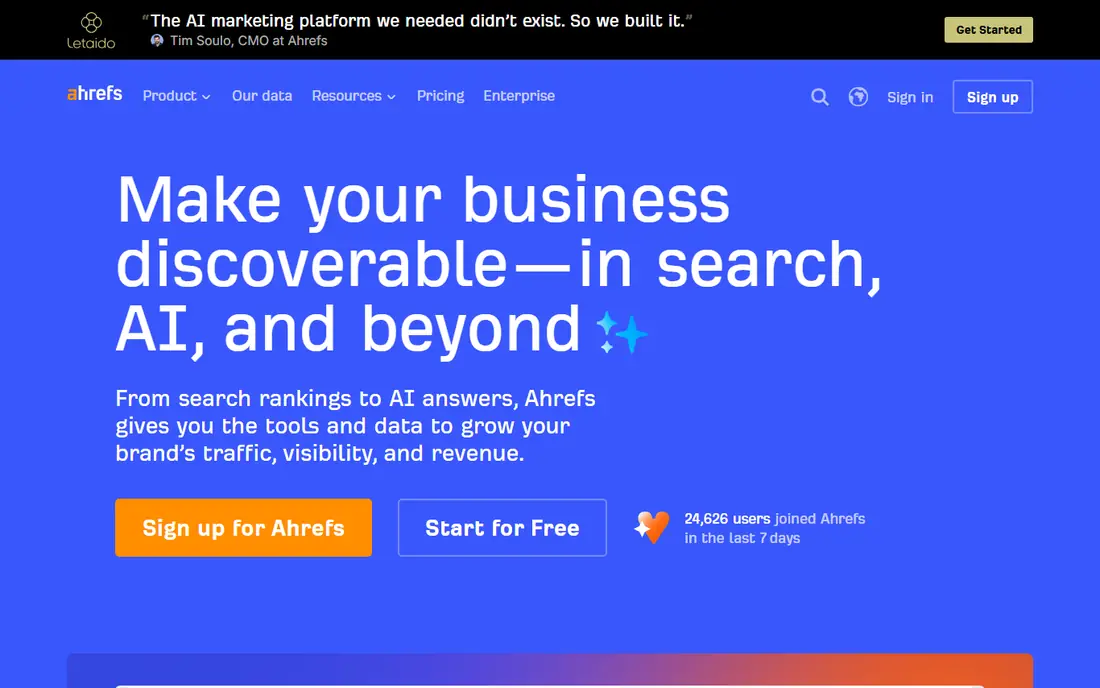
Ahrefs remains a strong choice if links and content research matter as much as rankings. Its Rank Tracker covers Google results and SERP features, and its Brand Radar add-on addresses AI mentions for larger teams. For a team that already uses Ahrefs for audits, adding rank tracking keeps the workflow in one place.
The main drawback is update frequency. Weekly checks suit long-term tracking, but they frustrate teams that want daily movement after a site change. The Starter plan is cheap, yet it covers only a small keyword set. Treat Ahrefs as a suite purchase, not as a cheap standalone tracker.
- Strong backlink and content data
- Well-known rank tracker
- Useful free Webmaster Tools for verified sites
- Rank checks are weekly on standard plans
- Full AI brand tracking sits on higher tiers
- Costs rise fast with seats
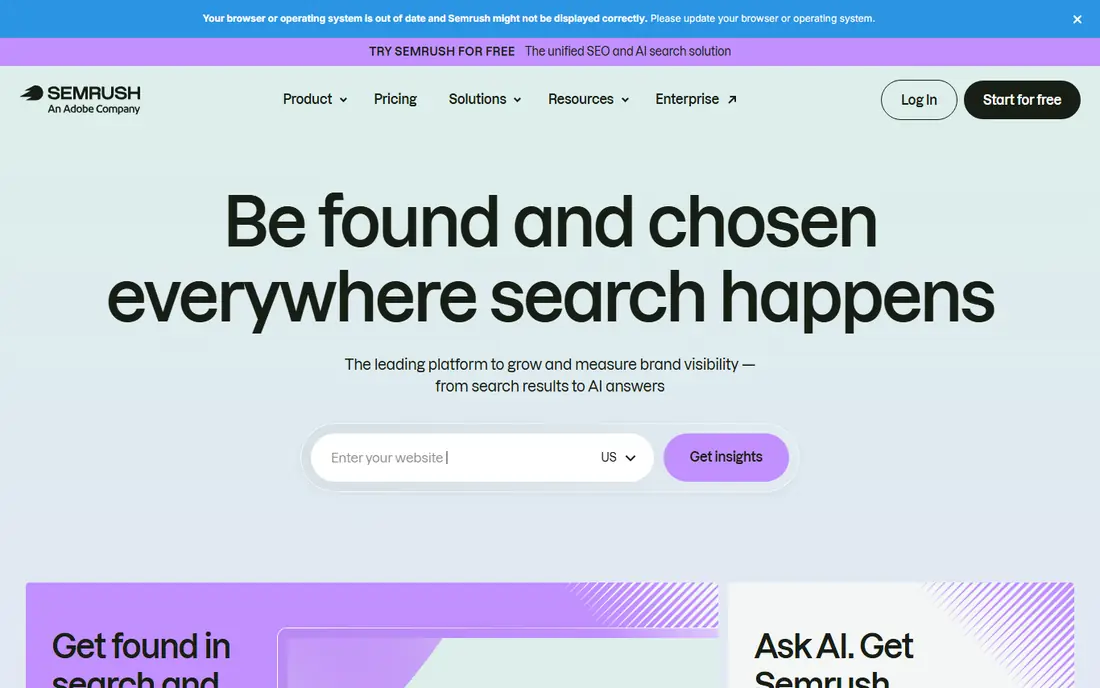
Semrush suits teams that want research, audits, advertising data, and rank tracking under one login. Position Tracking updates daily and covers 500 keywords on the entry SEO plan, with SERP feature data included. Its AI Search tools add ChatGPT, Perplexity, and Gemini visibility for teams that need that view.
The trade-off is cost. If you only need rankings, you pay for a lot of tools you may never open. The interface also packs in many modules, so new users should set aside time to learn the reports they will actually use. For agencies that already bill clients for full SEO work, the bundle makes more sense.
- Daily position tracking
- Broad keyword, ads, and content tools
- AI search tracking through its AI toolkit
- Price is high for tracking alone
- AI features may need a separate plan
- Learning curve for new users
AccuRanker focuses on rank data first, and it shows. You can refresh rankings on demand, segment by tags and devices, and build client reports without wrestling with unrelated tools. Agencies that track thousands of keywords across many clients tend to value that speed and clarity.
For a solo site owner, the price is hard to justify. The entry plan is aimed at volume, and smaller teams will find cheaper tools that cover their needs. If accuracy and speed are the whole job, though, AccuRanker is one of the most dependable names in this list.
- Fast on-demand updates
- Daily accuracy at scale
- Strong reporting for clients
- High entry price
- Overkill for a single small site
- Minimum keyword tiers can push costs up
Nightwatch stands out because AI tracking is not locked behind a top tier. It covers ChatGPT, Gemini, Perplexity, AI Mode, and AI Overviews, alongside classic Google rankings. That makes it easy to compare a keyword in search results with how AI tools answer the same query.
The Starter plan covers 500 keywords, so large sites will need a higher tier. Prices are listed in euros, which means the dollar cost moves with exchange rates. If your main question is how AI answers treat your brand, Nightwatch gives a clear answer without forcing an enterprise plan.
- AI search tracking included at every tier
- Daily and on-demand updates
- Unlimited seats on some plans
- Prices are in euros
- Entry keyword allowance is smaller than SE Ranking
- Local features may matter more than global ones for some users
Wincher is for people who want rankings without a full SEO platform. You add keywords, pick locations, and check daily movement in a dashboard that stays readable. It supports multiple websites, which suits freelancers with several small clients.
It is not the best pick if AI visibility is your top need, since its AI coverage is thinner than dedicated AI tools. It also lacks the deep research modules of Semrush or Ahrefs. For straightforward tracking at a fair price, Wincher does the core job well.
- Clean, simple interface
- Daily updates
- Unlimited websites on some plans
- AI coverage is limited
- Fewer research tools than suites
- Higher tiers needed for larger keyword sets
OtterlyAI is built for the new question in SEO: where does your brand show up in AI answers. Its Lite plan gives a low-cost way to start, with higher plans adding more prompts and sources. Small brands that want a first look at AI visibility can start here without buying a large suite.
The limit is scope. If you also need audits, backlinks, and keyword research, you will still need another tool. OtterlyAI works best as a focused add-on to a classic tracker, or as a first step for a team that already knows its Google rankings.
- Focused on AI search visibility
- Low entry price
- Covers ChatGPT, Perplexity, and AI Overviews
- Not a full SEO suite
- Classic rank tracking is secondary
- Higher tiers needed for broad coverage
Keyword.com appeals to budget-conscious users who want both classic and AI tracking without a large monthly bill. Its base plan starts very low, and its AI visibility tier adds chatbot and AI Overview checks. For bloggers and small sites, that price point is hard to beat.
The trade-off is polish. Reports are functional rather than beautiful, and you may need to set up your own dashboards for client-ready output. Check keyword and prompt limits closely, since the cheapest tier will not suit a large site. For a lean tracking setup, it is a practical choice.
- Very low entry price
- AI visibility plans available
- API access for custom reports
- Interface is plain
- Support and guidance are thinner than suites
- Limits need careful checking per plan
Every site owner should use Google Search Console, even if they pay for another tracker. It shows the queries that brought clicks, the pages that earned impressions, and issues Google found on your site. That first-party data is a useful check against any third-party tool.
It cannot replace a paid tracker. You cannot track competitors, you cannot watch chatbot answers, and data lags by a couple of days. Use it as the free baseline, then add a paid tool when you need competitor and AI coverage. For a brand-new site with no budget, it is the right place to start.
- Free first-party data from Google
- Shows impressions, clicks, and queries for your own site
- Useful for spotting AI Overview impressions
- Only covers your own verified sites
- No competitor tracking
- No chatbot answer tracking
How we picked these
We compared official pricing pages, feature pages, and public reviews for tools that track classic rankings, AI Overviews, or chatbot answers in 2026. We favored tools that publish clear pricing or a clear free tier, cover Google plus at least one AI surface where claimed, and offer daily or on-demand updates. We did not claim hands-on testing we did not do, and we treated prices that vendors list in euros or behind add-ons with care. Where a price could not be verified on the vendor site at the time of writing, we wrote See website.
What to check before you pay
Start with the number of keywords and prompts you will actually track. A plan with 2,000 keywords looks cheap until you add AI prompts, locations, and devices, each of which can count toward a limit. Ask whether updates are daily, weekly, or on demand, and whether local results, mobile results, and SERP features are included.
Match the tool to the job
If you manage client reports, pick a tool with white-label reports and tags. If you run one site, pick the cheapest tool that covers your core keywords and one AI source. If you work in local search, check ZIP-level and map-pack tracking before you pay for national rank data you will not use.
Watch the add-on trap
AI tracking is often sold as an add-on, so the headline price can mislead. Add the AI plan, extra seats, and any large-meeting or reporting upgrades to the base price, then compare totals. A free trial is useful here: load your real keywords, check the AI sources you care about, and export a sample report before the trial ends.