Best AI Voice Cloning Tools in 2026: 9 Tools Compared
By ToolNimba Editorial Team October 30, 2026 10 min read

- Top pick
 ElevenLabs
Most creators
Starting price$6 per monthCheck out ElevenLabsRead our review - Runner-up
 Murf AI
Studio voiceover work
Starting price$19 per monthCheck out Murf AIRead our review - Also great
 Resemble AI
API cloning and watermarking
Starting priceSee websiteCheck out Resemble AIRead our review
How we researched this
We compared official pricing and feature pages, app store listings, privacy policies and public user reviews. Prices change, so check the provider's site before you pay.
Key takeaways
- ElevenLabs is our pick for most creators, thanks to its free tier, instant cloning, and broad language support.
- Cloning quality and consent rules differ sharply. The best tools require proof that you own the voice or have permission to clone it.
- Murf and Descript suit teams that need a studio or editor around the voice, while Cartesia and Resemble suit developers building live products.
- PlayHT and Lovo AI are not live options in October 2026, so older guides that still recommend them are out of date.
Quick comparison
| Name | Best for | Starting price | Free plan | |
|---|---|---|---|---|
| ElevenLabs | Most creators | $6 per month | Yes | Visit |
| Murf AI | Studio voiceover work | $19 per month | Yes | Visit |
| Resemble AI | API cloning and watermarking | See website | No | Visit |
 Descript Overdub | Editing audio by text | $16 per month | Yes | Visit |
 WellSaid Labs | Consistent English narration | $10 per month | Free trial | Visit |
 Speechify Studio | Dubbing and video voiceover | $100 per year | Yes | Visit |
 Cartesia | Real-time voice agents | $5 per month | Yes | Visit |
 Fish Audio | Low-cost API cloning | See website | Yes | Visit |
 Respeecher | High-quality voice conversion | See website | No | Visit |
The best AI voice cloning tools
Voice cloning turns a short sample of a voice into a model that can read new text, and the results can be startlingly close to the original. That power is why consent matters so much: only clone your own voice, or a voice you have clear written permission to use, and check each vendor's verification steps before you pay. The tools below range from creator studios to developer APIs, and the right pick depends on whether you need a polished narration, a live agent, or a voice for editing.
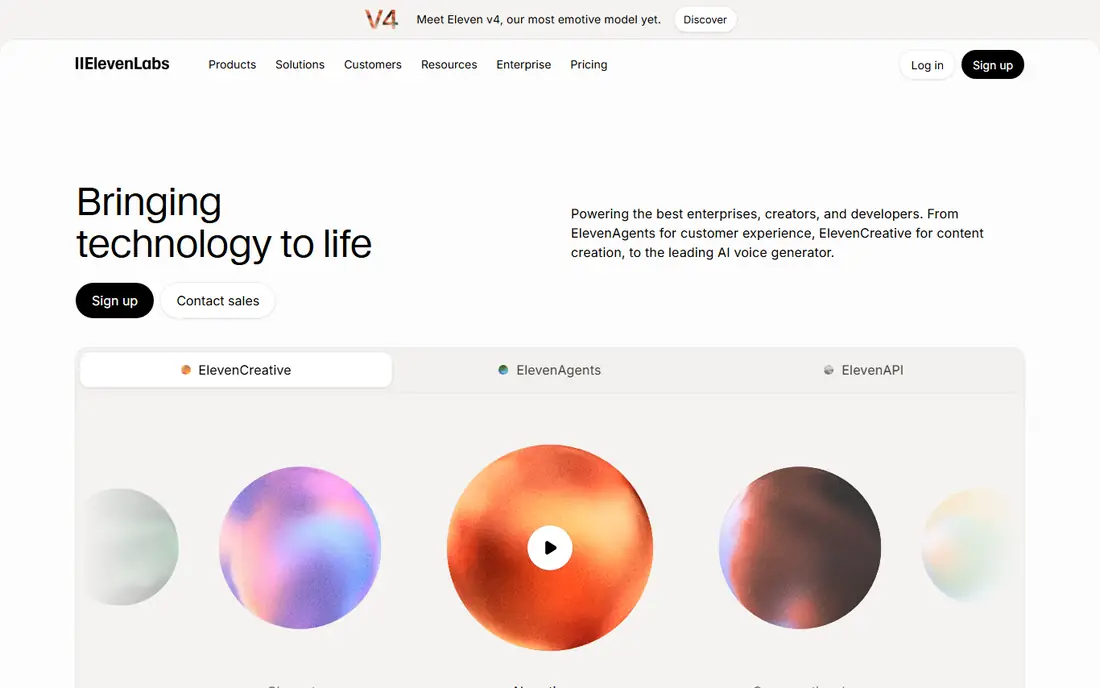
ElevenLabs is the default starting point for most voice cloning work. The free tier gives monthly credits to test quality, instant cloning works from a short clip, and the voice library covers many languages and styles. For narration, video voiceover, and audiobooks, the balance of quality, price, and ease is hard to match.
The limits are in the credit system. A long project can burn through a plan faster than expected, and the highest-quality professional clone needs a higher tier. Consent checks also apply, so you cannot simply clone a celebrity or a colleague without permission. For most creators, the Starter plan is enough to judge quality before committing further.
- Free tier with monthly credits
- Instant cloning from a short sample
- Broad multilingual support
- Professional cloning sits on higher plans
- Credits are shared across products, so heavy use adds up
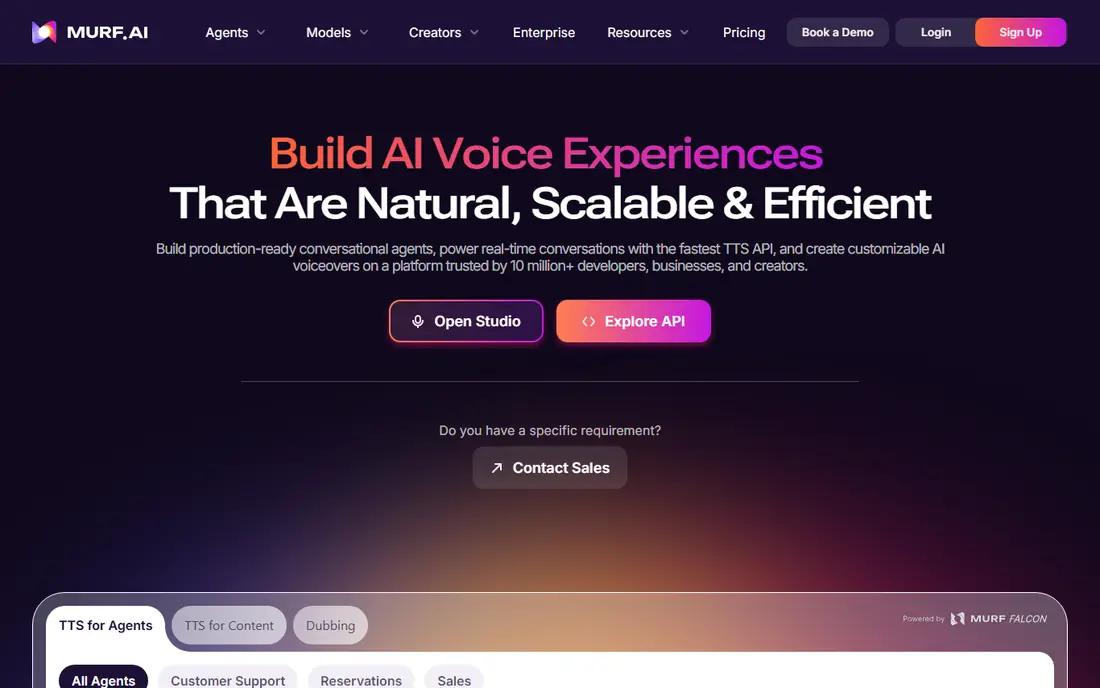
Murf suits teams that think in timelines, not APIs. You can place voiceover against slides, add background music, and adjust pacing in a visual studio, which helps for training videos and presentations. Minute-based billing also makes the monthly cost easier to predict than credit systems that vary by character.
The catch is cloning itself. On many plans, cloning is limited or gated behind enterprise terms, so Murf is stronger as a voiceover studio with stock voices than as a pure cloning tool. If you need your own cloned voice on a self-serve plan, check the current cloning terms before you buy. For scripted narration with a polished studio, Murf still earns its place.
- Timeline studio with music and slide sync
- Clear minute-based billing
- Good for training and marketing videos
- Cloning is often an enterprise feature
- Raw realism can trail ElevenLabs on some voices
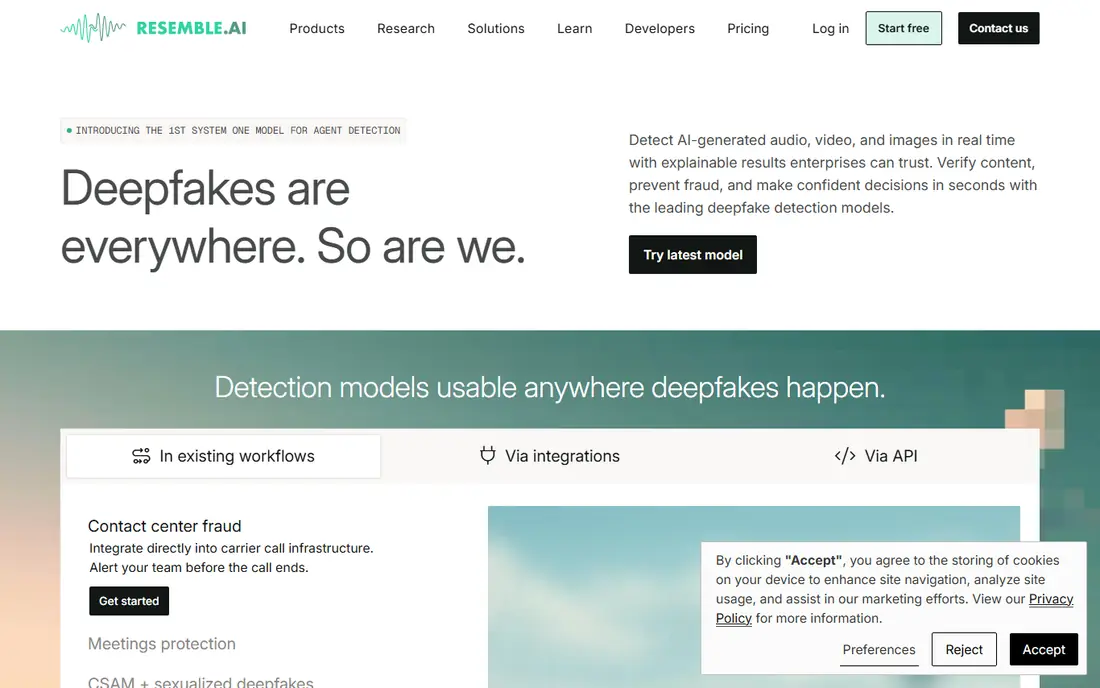
Resemble is built for developers and teams that need cloning inside a product, not just a studio export. Its API, watermarking, and detection tools address the safety side of cloning, which matters when synthetic voices reach customers. Pay-as-you-go options suit projects with uneven volume, since you are not locked into a large monthly plan.
The trade-off is polish. The dashboard feels less friendly than ElevenLabs or Murf, and clone pricing involves add-ons that are easy to miss on a first read. If you are building a product, that control is worth it. If you just need a narration, a studio tool will get you there faster.
- API-first cloning
- Watermarking and detection tools
- Flexible pay-as-you-go options
- Dashboard is less creator-friendly
- Clone add-ons and pricing need careful reading
Descript takes a different path. Instead of treating voice cloning as the whole product, it folds Overdub into a transcript editor, so you can fix a misspoken word by typing the correction. That workflow is a lifesaver for podcasters and video creators who record often and hate re-recording a whole take for one slip.
Cloning quality is good for corrections, but it is not the best choice for a full audiobook in a cloned voice, where ElevenLabs or Resemble may sound more natural. Overdub is also tied to your own voice, with verification steps, which is the right limit. If editing is the job, Descript is the pick. If cloning is the job, start elsewhere.
- Edit audio and video by editing text
- Overdub fixes mistakes in your own voice
- Full podcast and video editor included
- Voice fidelity trails dedicated cloning platforms
- Overdub is for your own voice, with consent checks
WellSaid Labs suits teams that need the same voice, same tone, every time. The library is licensed and cleared, so legal teams can approve it without the consent questions that surround user-uploaded clones. Training courses, product explainers, and corporate narration benefit most from that consistency.
Language range is the limit. English is the focus, and broader language or custom brand voice work needs higher tiers or enterprise talks. For a US team producing steady English narration, WellSaid is a reliable, low-drama choice. For multilingual work, ElevenLabs covers more ground.
- Licensed, cleared voice library
- Consistent quality for training and corporate narration
- Clear commercial rights on paid plans
- English focus
- Custom brand voices and API access sit behind higher tiers
Speechify Studio is not the same product as the Speechify reading app, and that distinction matters for pricing. The Studio side handles voiceover, dubbing, and video, with credits shared across those features. For creators who need a voice dubbed into another language or laid over video, the workflow is direct.
The free plan is for testing, not publishing, since commercial rights need a paid plan. Credits also stretch across voice, dubbing, and video, so a mixed project can use them faster than a voice-only plan. If dubbing is your main need, Speechify Studio is worth a trial. If you only need narration, compare its credit math with ElevenLabs first.
- Voiceover, dubbing, and avatar workflows in one studio
- Free credits to test
- Broad language support
- Studio pricing is separate from the Speechify reader app, which confuses buyers
- Free plan lacks commercial rights
Cartesia is built for voice agents that must answer in real time, not for a narrator reading a chapter at leisure. Its Sonic models aim for fast first audio, and instant cloning is available on the low-cost Pro plan, which makes it unusually accessible for developers. That combination explains its popularity inside voice-agent stacks.
Long-form narration is a weaker fit, since credits map one to one to characters and costs rise with every word. Lower plans also cap concurrent requests, so a busy product needs a higher tier. For a live agent, Cartesia is a top pick. For an audiobook, a studio plan may cost less.
- Very low latency for live conversation
- Instant cloning on the Pro plan
- Commercial rights included on paid plans
- Credit use is one per character, so long narration adds up
- Concurrency limits on lower plans
Fish Audio appeals to builders who want cloning without a large monthly subscription. The API prices by volume, and creating a clone is part of that flow, which suits apps with variable usage. Language coverage is broad, and the community model side gives smaller teams more options to explore.
This is not a studio for casual creators. You will need code or a developer to use it well, and commercial use terms vary by model, so read them before shipping. If you can build with an API and want low per-use cost, Fish Audio is a strong value. If you want a timeline editor, pick Murf or Descript instead.
- Low pay-per-use API pricing
- Cloning included via API
- Broad language support
- API-first, so non-developers face a learning curve
- Commercial terms need checking for the model you use
Respeecher sits at the professional end, where voice conversion is used in film, games, and advertising. The quality bar is higher, and so is the ethics process, with consent and rights handled as part of the project, not as an afterthought. That rigor is exactly what studios need when a voice will reach a wide audience.
Casual creators will find it costly and project-based, with pricing quoted rather than listed as a simple monthly plan. If you are producing professional media and need a trusted conversion partner, Respeecher is the right call. If you are testing a voice for a YouTube video, start with a self-serve tool first.
- High-quality voice conversion for film, games, and advertising
- Strong consent and ethics process
- Professional support
- Priced for professional projects, not casual use
- Turnaround and terms vary by project
How we picked these
We compared official pricing pages, feature pages, and public reviews for tools that offer real voice cloning in October 2026, and we left out PlayHT and Lovo AI because they are no longer live products. We favored tools with clear consent and verification steps, a working free tier or trial where offered, and a track record in creator, studio, or developer use. Prices are list prices before promotions and taxes, and credit or character metering means the real cost depends on volume. We did not claim hands-on voice tests we did not run, and readers should confirm cloning terms and commercial rights on the vendor site before publishing.
What to check before you clone a voice
Start with permission. Only clone your own voice, or a voice where you hold clear written permission, and keep that permission on file. Reputable tools will ask for verification, and a tool that lets you clone anyone without checks is a warning sign, not a feature. Also check where the voice can be used: personal, commercial, and broadcast rights differ, and a free plan often excludes commercial use.
Next, test with your real script, not a demo sentence. Names, numbers, and emotion-heavy lines reveal weaknesses that a short sample hides. Check language support, pacing controls, and whether you can adjust pronunciation. Finally, price by volume. Count characters or minutes for a typical month, then compare credit plans, minute plans, and pay-as-you-go APIs on that same volume, since the cheapest headline plan is rarely the cheapest for heavy use.
Safety and disclosure
Disclose synthetic voices where listeners could be misled, especially in ads, news, or customer service. Do not use a clone to impersonate someone, to fake an endorsement, or to create audio that sounds like a real person saying something they never said. When in doubt, use a licensed stock voice instead of a clone, and keep a record of consent for any voice you do clone.
Sources
- https://elevenlabs.io/pricing
- https://murf.ai/pricing
- https://www.resemble.ai/pricing
- https://www.descript.com/pricing
- https://wellsaidlabs.com/pricing
- https://speechify.com/studio/pricing
- https://cartesia.ai/pricing
- https://fish.audio/pricing
- https://www.respeecher.com/pricing
- https://dev.to/stimlau/6-best-elevenlabs-alternatives-in-2026-verified-with-pricing-3m4l
- https://devtoollab.com/blog/elevenlabs-alternatives