Best Platforms for Job Posting in 2026: 9 Platforms Compared
By ToolNimba Editorial Team October 30, 2026 11 min read

- Top pick
 Indeed
Broad reach and volume
Starting priceFreeCheck out IndeedRead our review - Runner-up
 LinkedIn
Professional roles
Starting priceFreeCheck out LinkedInRead our review - Also great
 ZipRecruiter
Fast SMB distribution
Starting priceSee websiteCheck out ZipRecruiterRead our review
How we researched this
We compared official pricing and feature pages, app store listings, privacy policies and public user reviews. Prices change, so check the provider's site before you pay.
Key takeaways
- Indeed offers the broadest reach and up to three free posts per month, while LinkedIn is best for professional and salaried roles.
- ZipRecruiter distributes one post to many job sites, but pricing is by quote and starts from about $299 per month per job slot in recent reports.
- Handshake is the best free option for campus and entry-level hiring, while Wellfound suits startups and tech hiring.
- Free posts sit below sponsored posts, so budget for sponsorship if you need to fill a role quickly.
- Track cost per hire, not cost per click, because a cheap post that brings unqualified applicants costs more in screening time than a pricier post that brings hires.
Quick comparison
| Name | Best for | Starting price | Free plan | |
|---|---|---|---|---|
| Indeed | Broad reach and volume | Free | Yes | Visit |
| LinkedIn | Professional roles | Free | Yes | Visit |
| ZipRecruiter | Fast SMB distribution | See website | Free trial | Visit |
 Handshake | Campus hiring | Free | Yes | Visit |
 Wellfound | Startup tech hiring | Free | Yes | Visit |
 Monster | Supplementary reach | See website | No | Visit |
 Glassdoor | Employer brand | See website | No | Visit |
 Dice | Tech roles | $399 per month | No | Visit |
 Snagajob | Hourly hiring | See website | No | Visit |
The best platforms for job posting
Posting a job is not just about reach. It is about reaching the right candidates, at a cost per hire that makes sense, without spending hours screening unqualified applicants. We compared official pricing pages, employer guides and public job posting comparisons, and we focused on free post limits, sponsored pricing, candidate quality and distribution. Note that Glassdoor job posting now runs through Indeed, so its value in this list is mainly employer brand, not a separate posting channel.
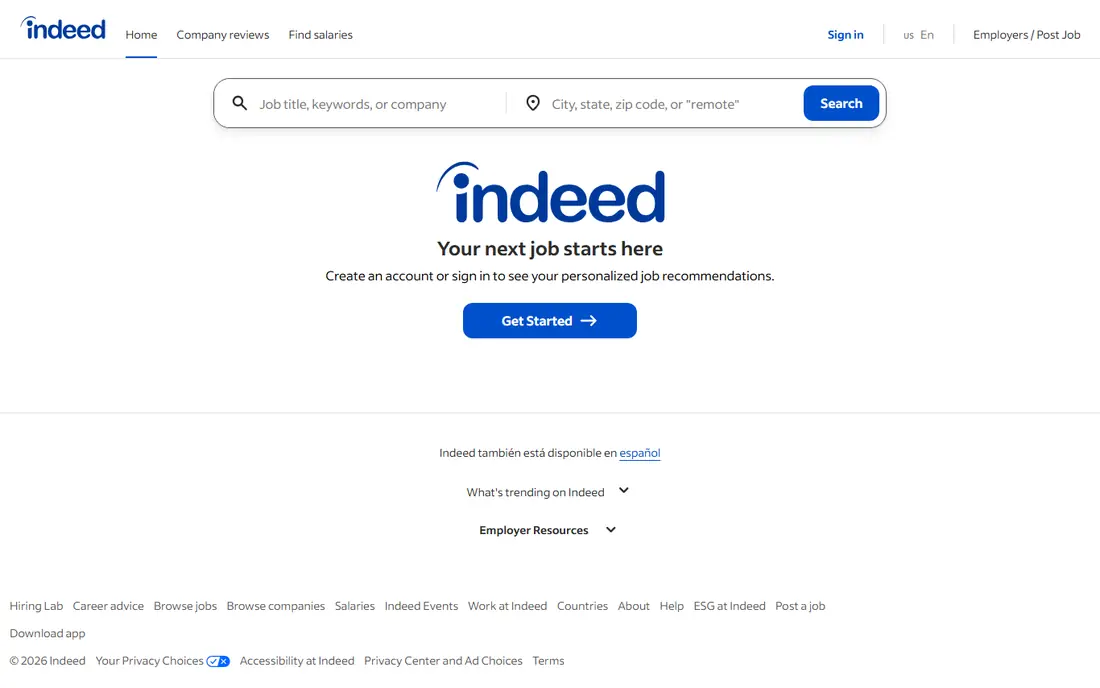
Indeed is the best overall job posting platform for most employers, because it draws the largest US job search audience and allows up to three free posts per month. Sponsored jobs use budget-based pricing, billed per click or per started application, with a minimum daily budget widely reported at about $25 per sponsored job. That model lets you control spend, while paying for placement when a role is urgent.
The trade-off is visibility and volume. Free posts sit below sponsored posts and lose ground as newer listings appear, so a free post suits a role you can fill slowly. Sponsored posts bring more applicants, but also more screening work for popular roles. For high-volume, hourly and general roles, Indeed is usually the first platform to test, and the results will tell you whether you need a second, more targeted channel.
- Largest US job search reach
- Up to 3 free posts per month
- Sponsored jobs with budget-based pricing
- Familiar employer workflow
- Free posts have lower visibility
- Sponsored costs vary by role and competition
- Screening time can be high for popular roles
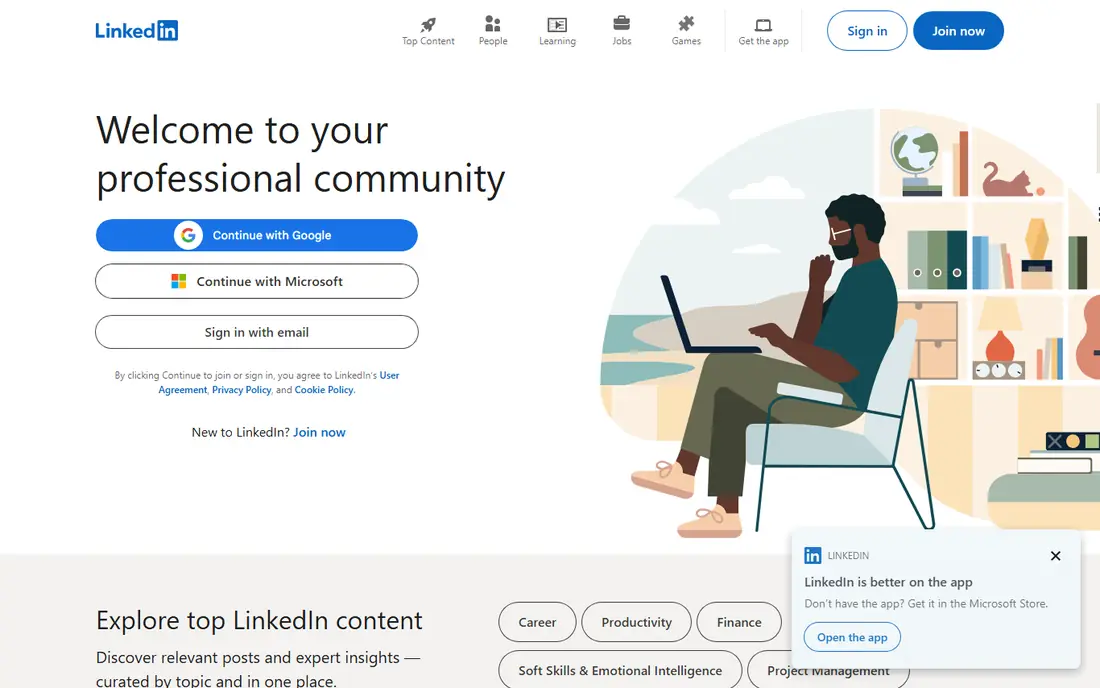
LinkedIn is the best platform for professional, salaried and specialist roles, because candidates are already there in a professional context, with profiles, experience and networks visible. Employers can post one free job at a time, promote jobs on a budget, and use LinkedIn Recruiter to message candidates who are not actively applying. Company Pages also support employer brand, which helps for hard-to-fill roles.
The cost model needs care. Promoted jobs bill against a budget you set, with cost per click reported from about $0.50 to $6.00 and cost per applicant commonly $1.45 to $4.45 in recent comparisons. Job Slots for larger employers are reported from $200 to $1,000 per slot per month. For senior and specialist roles, that spend is often worth it. For hourly volume hiring, Indeed usually delivers more applicants per dollar.
- One free post at a time
- Large professional network
- Passive candidate reach and employer brand tools
- Promoted jobs are budget-based with variable cost per click
- Free posts pause early at an application cap in some cases
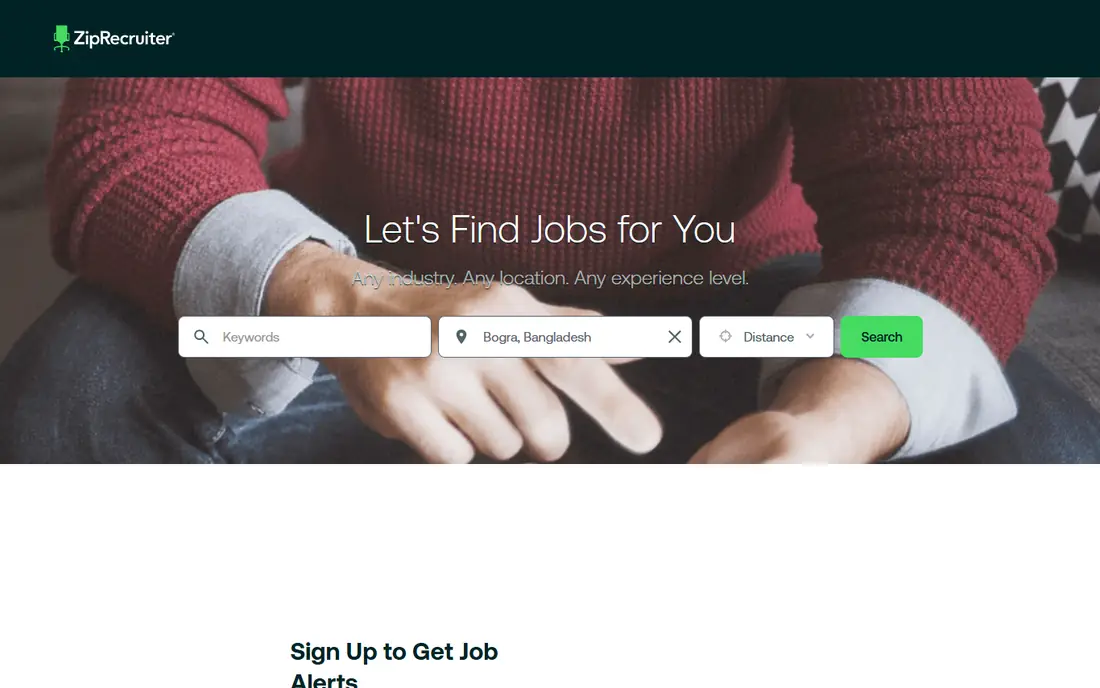
ZipRecruiter suits small and mid-size businesses that want fast distribution without posting the same job on many sites manually. One post spreads across more than 100 job sites in one action, and AI matching invites candidates who fit the role, rather than waiting for them to find it. That speed helps when you have one open role and need applicants quickly.
The weakness is pricing transparency. ZipRecruiter does not publish a public rate card, and recent reports put standard plans near $299 to $399 per month per job slot, with premium and pro tiers higher. A short trial is available, but check auto-renewal terms before you start it, because complaints about auto-conversion appear in public reviews. If you value distribution and speed over price transparency, ZipRecruiter is worth a quote. If you need a fixed public price, Indeed or LinkedIn may be easier to budget.
- Distributes one post to many job sites
- AI matching invites suitable candidates
- Resume database access
- No public rate card
- Reported pricing from $299 per month per job slot
- Trial can auto-convert, so check terms
Handshake is the best platform for college recruiting, internships and entry-level roles. Employers can post for free on a basic plan, reaching a pool of verified students and recent graduates from many colleges. That early-career focus is different from Indeed or LinkedIn, where entry-level posts compete with experienced candidates for attention.
Paid upgrades add promoted posts and more messaging, with Pro reported at about $450 per month in recent comparisons. The free plan is enough to test Handshake for one or two campus roles, but expect bulk applications from students, so use screening questions and clear requirements in the post. For internships, graduate roles and first jobs, Handshake should be on your shortlist alongside Indeed.
- Free basic postings
- Large verified early-career pool
- Connections to colleges and universities
- Paid Pro costs about $450 per month in recent reports
- Students may apply in bulk, increasing screening work
Wellfound, formerly AngelList Talent, is built for startup and tech hiring. Job posts are free, and candidates often expect salary and equity information upfront, which helps startups that want to be transparent about compensation. The candidate pool leans toward tech, product and startup roles, so signal can be higher than on a general board, even if volume is lower.
Recruit Pro, for proactive sourcing, costs from $499 per month per seat in recent reports. That makes Wellfound a good free posting channel for startups, with a paid upgrade only if you need to source candidates actively. For non-tech roles, or for hiring outside startup hubs, Indeed or LinkedIn will usually bring more applicants. For a startup hiring engineers, designers or product managers, Wellfound is a strong, low-cost starting point.
- Free job posts
- Startup and tech candidate pool
- Salary and equity transparency tools
- Recruit Pro costs from $499 per month per seat in recent reports
- Smaller reach than Indeed or LinkedIn for non-tech roles
Monster is best used as supplementary reach, not as your only posting channel. It offers pay-per-click posting from about $8 per day in recent reports, and Pro plans from $299 per month, which can add applicants for roles where Indeed alone is not enough. Monster also carries a large resume database, which helps for sourcing in some industries.
The limit is traffic and free options. Monster does not offer free posting, and its monthly visits are lower than Indeed or LinkedIn in recent comparisons. Use Monster when you want a second channel for a hard-to-fill role, or when your industry still has an active Monster audience. Do not rely on it alone for volume hiring, because Indeed will usually deliver more applicants per dollar.
- Long-running job board with broad reach
- Pay-per-click options from about $8 per day in recent reports
- Pro from $299 per month
- No free posting
- Less traffic than Indeed or LinkedIn
- CareerBuilder folded into Monster, so brand history is complex
Glassdoor is included here because candidates check it, even though it is no longer a standalone posting channel. Glassdoor merged into Indeed in July 2026, and job posting now runs through Indeed, with listings appearing on Glassdoor as well. That means your Indeed post is also your Glassdoor post, and your Glassdoor cost is your Indeed cost for posting.
The separate Glassdoor product is employer branding, sold on annual contracts reported from $15,000 to $50,000 commonly in procurement data, with a wider range in some reports. That branding matters for companies where reviews and pay transparency influence whether a candidate applies. If you post on Indeed, check your Glassdoor page, respond to reviews professionally, and keep salary and benefits information accurate, because candidates will read it before they apply.
- Reviews, salaries and employer brand pages influence candidate decisions
- Job listings appear via Indeed
- No standalone posting product since Glassdoor merged into Indeed in July 2026
- Branding contracts are priced annually and can be costly
Dice is the niche pick for technology roles. It focuses on developers, engineers, data professionals and other tech talent, with a 30-day job slot reported at $399 in recent comparisons. That focus means fewer unqualified applicants than a general board, and candidates who understand tech stacks, tools and salary expectations for their field.
The trade-off is reach. Dice is not a general hiring platform, and it will not help for retail, hospitality or general office roles. Use Dice alongside LinkedIn and Wellfound for a tech hire, especially when you need a specific skill set. For a single tech role, the niche signal can justify the slot price, because screening time drops when applicants already match the stack.
- Tech-focused candidate pool
- $399 per 30-day job slot in recent reports
- Tech salary and skill data
- No free posting
- Niche reach, so not suitable for general or hourly roles
Snagajob focuses on hourly hiring, which is a different market from LinkedIn professional hiring. Retail, food service, hospitality and warehouse employers can post shift-based roles, set hourly pay clearly, and screen for availability and location, which are the factors that matter most for hourly hires. That focus helps when Indeed brings too many salaried applicants for an hourly role.
Pricing is by quote, so get a written price based on roles and locations before committing. Snagajob is not a good fit for salaried, professional or tech roles, where LinkedIn, Indeed or Dice will work better. For hourly volume hiring, especially for multiple locations, Snagajob is a useful specialist channel alongside Indeed.
- Hourly and shift-based candidate pool
- Good for retail, food service and hospitality
- Application tools for hourly roles
- Pricing by quote
- Less suitable for salaried or professional roles
How we picked these
We compared official pricing pages, employer guides and public job posting comparisons, and we selected platforms that are available in the US in 2026 and that offer a clear posting model for employers. We favoured a mix of general boards, professional networks, campus platforms, startup boards and niche boards, rather than listing nine general boards with the same audience. We did not claim hands-on testing, and we noted where pricing is by quote, because those costs vary by employer and role.
How to post a job that brings qualified applicants
Write a clear title first, because candidates search by title, not by internal job codes. Use the title a candidate would search for, such as Marketing Manager or Warehouse Associate, not a creative internal title. Put salary or pay range, location, schedule and key requirements in the first paragraph, because candidates decide quickly whether to apply.
Screen with questions, not just resumes
Add two or three screening questions that test must-have requirements, such as a licence, a skill or availability for a shift. That simple step cuts screening time more than any platform feature, because it filters out applicants who do not meet the core need. Also set a clear application deadline or a note that you review applications weekly, so candidates know what to expect.
Track cost per hire by source
Tag each application by source, whether Indeed, LinkedIn, Handshake or another board, and track which sources produce interviews and hires, not just clicks. A board with cheap clicks but no hires is expensive in staff time, while a board with pricier clicks but strong hires may be the best value. Review source data after each hire, and shift budget toward the boards that produce hires for that role type.
Sources
- https://www.indeed.com
- https://www.linkedin.com
- https://www.ziprecruiter.com
- https://joinhandshake.com
- https://wellfound.com
- https://www.monster.com
- https://www.glassdoor.com
- https://www.dice.com
- https://www.snagajob.com
- https://100hires.com/best-job-posting-sites-for-employers.html
- https://money.com/best-job-posting-sites-for-employers/