Companies With the Best Benefits in 2026: 9 Employers Compared
By ToolNimba Editorial Team October 30, 2026 10 min read

- Top pick
 Google
All-round tech benefits
Starting priceSee websiteCheck out GoogleRead our review - Runner-up
 Microsoft
Health, learning and flexibility
Starting priceSee websiteCheck out MicrosoftRead our review - Also great
 Netflix
Time off and autonomy
Starting priceSee websiteCheck out NetflixRead our review
How we researched this
We compared official pricing and feature pages, app store listings, privacy policies and public user reviews. Prices change, so check the provider's site before you pay.
Key takeaways
- The strongest packages combine health cover, generous parental leave, retirement support and real time off, not one flashy perk.
- Google, Microsoft, Adobe, Salesforce and Netflix stand out for broad, family-friendly packages, while Costco and Starbucks extend useful benefits to many hourly and part-time staff.
- Benefits vary by role, location and tenure, so always check the offer letter and the company careers page for the job you want.
- A long contract, a high deductible or a perk you cannot use can matter more than a headline benefit, so compare the full package before you choose.
Quick comparison
| Name | Best for | Starting price | Free plan | |
|---|---|---|---|---|
| Google | All-round tech benefits | See website | No | Visit |
| Microsoft | Health, learning and flexibility | See website | No | Visit |
| Netflix | Time off and autonomy | See website | No | Visit |
 Adobe | Parental leave and learning | See website | No | Visit |
 Salesforce | Wellbeing and volunteering | See website | No | Visit |
 Meta | Family leave and health cover | See website | No | Visit |
 Airbnb | Flexible work and travel credit | See website | No | Visit |
 Costco | Hourly workers and health cover | See website | No | Visit |
 Starbucks | Part-time staff and education | See website | No | Visit |
The best companies with the best benefits
These employers are known for packages that cover health, family, retirement and day-to-day life. We compared public careers pages, benefits summaries and reputable benefits roundups, and we focused on what most staff can actually use.

Google is often the first name people mention when they ask what companies have the best benefits, and the breadth of its package explains why. Public benefits summaries list health, dental and vision cover, mental health support, on-site care in some locations, and retirement saving with an employer match. Family support includes parental leave, adoption help and fertility support, which matters a lot to staff planning a family.
The catch is access. Free meals, on-site clinics and gyms are most useful if you work near a large office, and hybrid rules can differ by team. Job seekers should ask how often a role is expected on site, which health plans are offered in their state, and what the retirement match looks like in the first year.
- Broad health and wellbeing cover
- Generous parental leave
- Strong learning and retirement support
- Many perks are tied to large offices
- Hybrid working rules vary by team
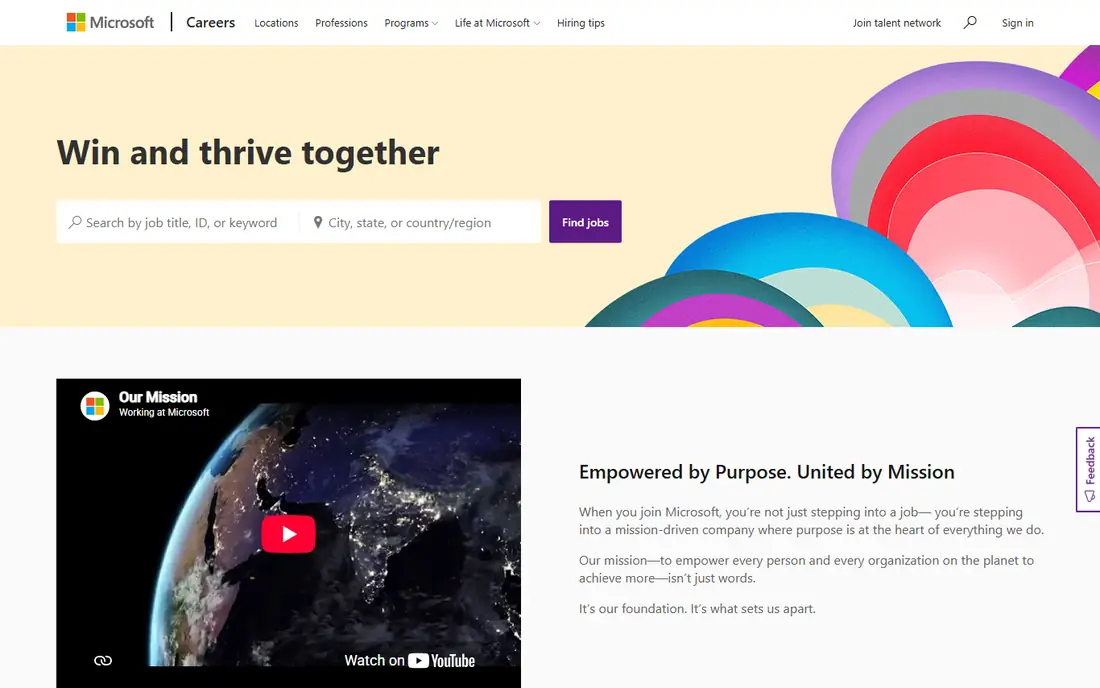
Microsoft pairs wide health cover, including medical, dental and vision options, with parental leave, paid time off and adoption help. Learning support and internal mobility are also central to its pitch, which suits people who want to change teams or build new skills without changing employers. Staff discounts on company products are a useful extra, though they should not drive a career choice on their own.
The main weakness is variation. A benefit that looks generous in one country or role may be smaller in another, and some perks depend on employment type. Ask for the local benefits summary for your exact role, and check waiting periods for health cover and retirement vesting before you compare offers.
- Wide health plan choice
- Generous parental leave
- Strong training and education support
- Benefits and discounts vary by role and location
- Some perks need tenure

Netflix is famous for giving eligible employees freedom over time off, with parental leave that can extend up to a year in the first year of a child's life according to public summaries. That trust-based model appeals to experienced staff who plan their own work and want time for family without counting days. Health cover, stock and retirement support round out a package built around adult responsibility rather than office perks.
That freedom comes with high expectations. Reviews of the culture stress performance and accountability, so the package suits people who thrive with clear results and direct feedback. It is less suited to someone who wants a highly structured day or a large on-site perks programme. Ask how time off works on your team in practice, not just in policy.
- Flexible time off for eligible staff
- Long parental leave
- Top-of-market pay approach
- High expectations and accountability
- Flexibility depends on manager and role
Adobe appears in many best-benefits lists for its parental leave and its yearly education support, which public roundups have put at a substantial annual grant for learning. Health and wellbeing cover, paid time off and a sabbatical programme for longer-serving staff add depth beyond the headline items. For parents and lifelong learners, that combination is hard to beat.
As with other large employers, the details depend on where you work and whether you are full-time. Office perks and local health plans vary, and project deadlines in creative work can still be intense. The package is best judged on leave, learning money and health cover for your location, rather than on office extras alone.
- Strong parental leave
- Education grant in public summaries
- Wellbeing and sabbatical options
- Some benefits are location dependent
- Creative roles can be demanding at deadlines
Salesforce is known for combining health cover and parental leave with paid time for volunteering and community work. That mix suits people who want their employer to support life outside work as well as inside it. Wellness support, stock options for eligible staff and learning programmes are also part of the public package, which helps explain its regular place on best-employer lists.
The trade-off is scale. A very large company can feel slower than a small team, and benefit details change by country. If volunteering time or a specific health plan matters to you, confirm how many paid volunteering days apply to your role and whether local health cover matches the US headline package.
- Generous parental leave in public summaries
- Paid volunteering time
- Strong wellbeing support
- Large-company scale can mean slower moves
- Benefits vary by country
Meta, the parent of Facebook, Instagram and WhatsApp, is regularly cited for long parental leave and broad health cover, including mental health and family support. Public summaries also note wellness stipends, retirement saving and learning support. For parents, that family focus is the strongest reason to shortlist Meta alongside Google and Microsoft.
The honest catch is the pace of product work and the variation in hybrid working by team. Some teams work largely on site, while others are more flexible, so the day-to-day experience can differ a lot. Ask about team working patterns, on-call expectations and leave approval in practice before accepting.
- Long parental leave in public summaries
- Broad health and wellness cover
- Fertility and family support
- Hybrid rules vary by team
- Tech roles face intense product cycles
Airbnb stands out for flexible work and a yearly travel credit that lets staff experience the product they build. Public benefits roundups also note parental leave and health cover, so the package is not only about travel. For people who value location freedom and travel, it offers a different kind of value from office meals or gyms.
The limit is obvious: a travel credit helps most if you enjoy travelling, and customer support and operations roles may have stricter location rules than engineering or design roles. Check whether your role can work from anywhere in your country, and how the travel credit is taxed or timed, before you count it as pay.
- Flexible work options in public summaries
- Travel credit
- Generous parental leave
- Travel credit is less useful if you rarely travel
- Some roles are location bound
Costco matters in this list because it shows that strong benefits are not only for tech staff. The warehouse retailer is widely reported to offer health cover, paid time off and retirement support to many hourly employees, with eligibility tied to hours and tenure. For retail and warehouse workers, that access can matter more than a tech campus perk they would never use.
The work itself is physical, with early starts, weekend shifts and busy warehouse floors. Benefits improve with tenure in many retail systems, so a new starter should ask when health cover begins, how many hours count toward eligibility, and what paid time off accrues in year one.
- Health cover for many hourly staff
- Paid time off
- Reputation for steady hours and promotion from within
- Physical warehouse work
- Benefits and hours depend on role and tenure
Starbucks is one of the best-known examples of a company extending benefits beyond full-time corporate staff. Eligible part-time store partners can access health cover, paid time off and education support, including college tuition help through its well-known education programme. That makes it a strong option for students and people who need part-time work with real benefits.
Store work is demanding, with early mornings, busy peaks and weekend shifts. Eligibility usually depends on working enough hours, so check the hours threshold for your store and how education benefits are claimed. For many part-timers, the education help alone can be worth more than a small pay difference elsewhere.
- Benefits for many part-time partners
- Education support
- Health cover for eligible staff
- Store work is fast paced
- Eligibility depends on hours worked
How we picked these
We compared public careers pages, company benefits summaries and reputable benefits roundups, and we favoured employers whose packages cover several areas at once: health, family leave, retirement, time off and learning. We also looked for companies that extend benefits to hourly or part-time staff, since that is where many lists fall short. We did not rank on pay alone, and we avoided claims about exact leave weeks or dollar amounts where sources disagreed, since policies change by role and location.
What to compare before you accept an offer
Start with health cover, not perks. Check the monthly premium, deductible, network and mental health cover for the plan offered in your state, and ask whether dental and vision are included or separate. A low premium with a very high deductible can cost more over a year than a slightly higher premium with better cover.
Next, compare family and time-off policies in writing. Parental leave length, whether both parents get the same leave, paid sick days, paid holidays and vacation accrual all affect real life. Ask how leave is approved, whether unused vacation carries over, and what happens during a probation period. Then look at retirement and learning: employer match rules, vesting, stock eligibility and education money. Finally, weigh location rules, since hybrid, remote and travel benefits only help if your team allows them.
Sources
- https://tech.co/hr-software/best-companies-employee-benefits-perks
- https://www.levels.fyi/companies/google/benefits
- https://careers.google.com
- https://careers.microsoft.com
- https://jobs.netflix.com
- https://www.adobe.com/careers.html
- https://www.salesforce.com/company/careers/
- https://www.metacareers.com
- https://careers.airbnb.com
- https://www.costco.com/jobs.html
- https://about.starbucks.com/careers