AI Writing Tools Alternatives in 2026: 9 Tools Compared
By ToolNimba Editorial Team November 1, 2026 10 min read

- Top pick
 Claude
Long-form prose and careful editing
Starting price$20 per monthCheck out ClaudeRead our review - Runner-up
 ChatGPT
All-round drafting, outlining, and ideas
Starting price$8 per monthCheck out ChatGPTRead our review - Also great
 Copy.ai
Team workflows and repeatable short-form copy
Starting price$29 per monthCheck out Copy.aiRead our review
How we researched this
We compared official pricing and feature pages, app store listings, privacy policies and public user reviews. Prices change, so check the provider's site before you pay.
Key takeaways
- For most writers, Claude or ChatGPT replaces a dedicated marketing writer at lower cost, since both handle drafting, outlining, and editing well.
- Copy.ai and Writesonic are the closest workflow replacements for teams, with templates, brand tools, and content operations that chatbots lack.
- Rytr is the cheapest usable paid alternative for short-form copy, while Grammarly and QuillBot are better as editing layers than as full drafting tools.
- Sudowrite is the clear pick for fiction, and Notion AI suits teams that already write and plan inside Notion.
Quick comparison
| Name | Best for | Starting price | Free plan | |
|---|---|---|---|---|
| Claude | Long-form prose and careful editing | $20 per month | Yes | Visit |
| ChatGPT | All-round drafting, outlining, and ideas | $8 per month | Yes | Visit |
| Copy.ai | Team workflows and repeatable short-form copy | $29 per month | Yes | Visit |
 Rytr | Budget short-form drafting | $9 per month | Yes | Visit |
 Writesonic | SEO articles and AI search visibility | $79 per month | Free trial | Visit |
 Grammarly | Grammar, clarity, and tone checks | $12 per month | Yes | Visit |
 QuillBot | Paraphrasing and summarizing | $8.33 per month | Yes | Visit |
 Sudowrite | Fiction and creative writing | $10 per month | Free trial | Visit |
 Notion AI | Writing inside Notion workspaces | See website | Free trial | Visit |
The best AI writing tools alternatives
We compared official feature pages, pricing pages, and public reviews, and we favored tools that still sell a clear writing product today and that replace a real job done by Jasper, Copy.ai, or a similar marketing writer: drafting, editing, SEO content, or team workflows.

Claude is our pick for writers who care most about how the prose reads. It drafts blog posts, essays, and reports in a clear, natural style, and it edits well when you paste a rough draft and ask for tighter structure or a different tone. Long documents are a strength, since Claude can work through a full draft without losing the thread as quickly as shorter-context tools.
The trade is workflow. Claude does not offer Jasper-style brand voice libraries, campaign templates, or team content pipelines out of the box. Solo writers and editors will rarely miss those features. Marketing teams that produce branded copy at volume should pair Claude with a style guide, or pick Copy.ai or Writesonic instead.
- Natural long-form writing
- Strong editing and rewriting
- Handles long documents well
- No built-in marketing templates like Jasper
- Paid plan needed for heavier use
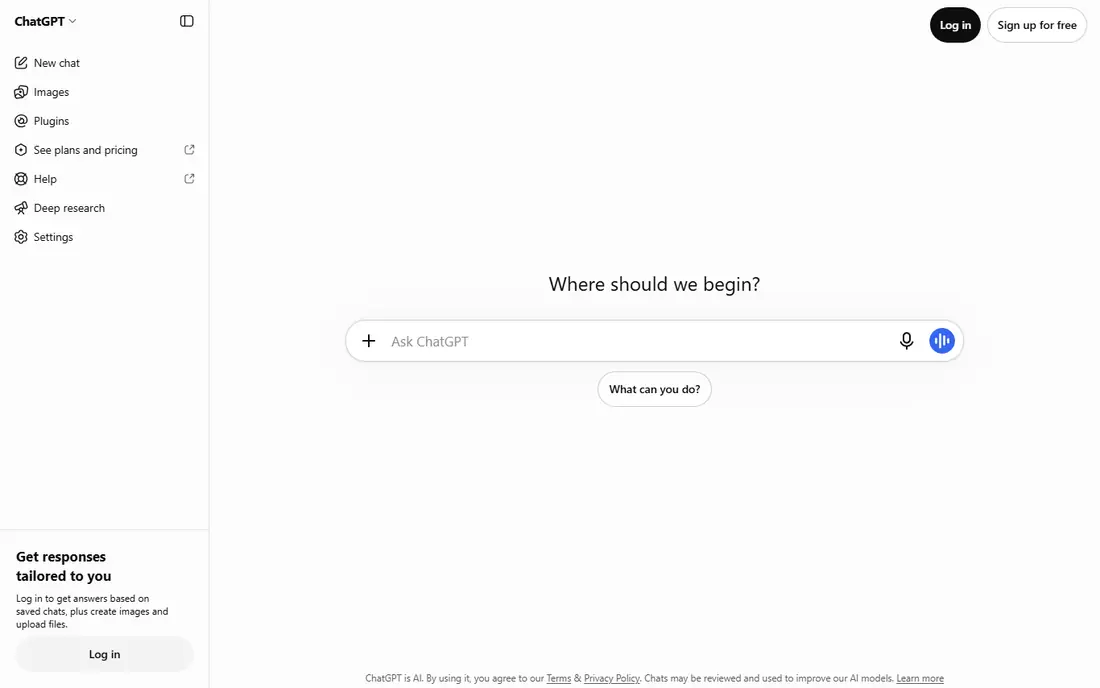
ChatGPT is the baseline every paid writing tool must beat, because it drafts, outlines, summarizes, and rewrites across almost any topic. For a blogger or small business owner, the free tier plus a paid Go or Plus plan often covers daily writing, from emails and product descriptions to social captions and article drafts.
The catch is accuracy and voice. ChatGPT can invent facts, dates, and quotes with confidence, so every draft needs checking against real sources. It also writes in a generic style unless you give it clear examples and constraints. As the best AI app for writing in general terms, it wins on versatility, but it does not replace a dedicated editing or SEO tool on its own.
- Most versatile general writer
- Strong for outlines, ideas, and rewrites
- Free tier is generous
- Output needs fact-checking and editing
- No dedicated brand voice system on basic plans
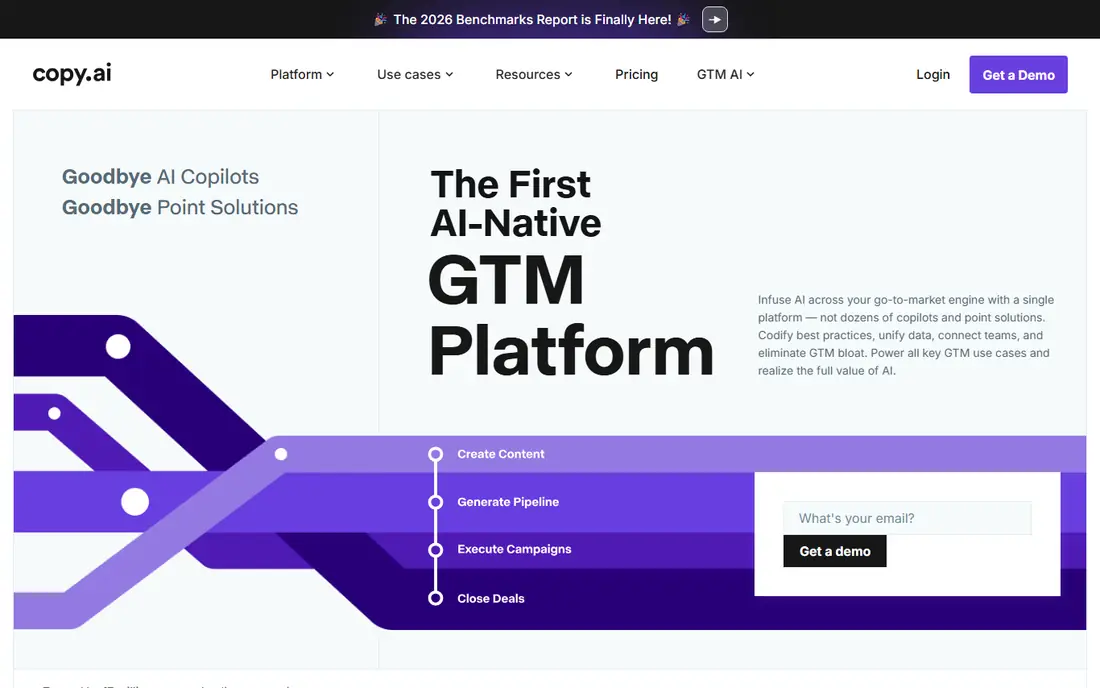
Copy.ai is a direct alternative for teams that liked the old, simpler version of the tool. Its Chat plan covers drafting and workflows for several seats at a modest monthly price, which makes it cheaper per seat than many marketing writers. Templates for emails, ads, and social copy help teams produce consistent short-form work without starting from a blank page each time.
Solo writers may find the newer sales workflow focus less useful, and the jump to advanced workflow tiers is steep. Still, for a small marketing team that needs repeatable copy and shared workflows, Copy.ai remains one of the strongest AI writing tool alternatives on price and practicality.
- Workflow templates for sales and marketing copy
- Multiple seats on the entry plan
- Unlimited words on some tiers
- Higher workflow tiers jump sharply in price
- Focus has shifted toward sales workflows
Rytr is the best budget pick in this list. At $9 per month for unlimited use on its paid tier, it drafts social posts, emails, product descriptions, and short blog sections for less than most streaming subscriptions. The free tier, with a monthly character limit, is enough to test whether the style suits your work.
Long articles are where Rytr shows its price. Output stays competent for short and mid-form copy, but longer pieces need more restructuring and fact-checking than drafts from Claude or ChatGPT. If your main job is bulk short copy on a tight budget, Rytr is a smart alternative. If you write long guides, spend more on a general assistant instead.
- Very low monthly price
- Many templates and languages
- Usable free tier for light use
- Long-form output needs more editing
- Quality lags Claude and ChatGPT on complex topics
Writesonic suits content teams that need articles to rank and to show up in AI answers, not just to read well. Its article workflow helps plan, draft, and optimize posts, and its visibility tools track how content appears in search and AI overviews. That combination is why it costs more than a simple drafting tool.
Solo bloggers should weigh that price carefully. If you publish a few posts a month and do not track search visibility, ChatGPT plus a separate SEO check may cost less. For a team running a content engine, Writesonic bundles enough steps to justify the higher starting price.
- Article workflows plus AI search visibility tracking
- Research and optimization tools in one place
- Good for content teams
- High entry price for solo writers
- Visibility tracking adds cost if you only need drafting
Grammarly is best seen as an editing layer, not a replacement drafter. It catches grammar errors, awkward phrasing, and tone problems in emails, docs, and web forms, often before you send. That makes it a useful partner to Claude, ChatGPT, or Rytr, since a good draft still needs a careful edit.
Do not buy Grammarly expecting it to write full articles from a prompt. Its strength is polishing human and AI drafts, checking consistency, and helping non-native writers sound natural. The free plan covers basic grammar, while Pro adds clarity, tone, and plagiarism checks on annual billing.
- Strong grammar and clarity suggestions
- Works across browsers, docs, and email
- Tone and audience checks on paid plans
- Not a full drafting tool
- Paid price adds up alongside a separate AI writer
QuillBot helps when you already have text and need a better version of it. Its paraphraser rewrites sentences in different tones, its summarizer condenses long articles, and its grammar checker catches basic errors. Students, researchers, and editors use it to rework drafts without losing the original meaning.
As a standalone alternative to Jasper, QuillBot falls short for full drafting, since it starts from existing text rather than a brief. Pair it with a general assistant for drafting, and use QuillBot to tighten, vary, or shorten the result. The premium annual price keeps that pairing affordable.
- Strong paraphrasing modes
- Summarizer for long texts
- Low annual price for premium features
- Limited as a full article writer
- Free tier caps paraphrase modes and words
Sudowrite is the only tool on this list built first for fiction. It helps writers brainstorm plot ideas, expand a scene, describe a character, and keep a story moving when the next paragraph stalls. That focus makes it far more useful for novelists and short story writers than a marketing template library.
Business writers should look elsewhere, since Sudowrite does not target ads, SEO articles, or brand workflows. Creative writers should test the trial on a real story, since the value shows up in how well its suggestions fit your voice and plot, not in a feature list.
- Built for stories, characters, and scenes
- Brainstorming and expansion tools for writers
- Helpful for beating blocks
- Not built for marketing or SEO copy
- Credit limits vary by plan
Notion AI is the right alternative for teams that already live in Notion. Instead of copying text between a writer and a workspace, you draft, summarize, and rewrite inside the same page where tasks, notes, and wikis live. That saves time for internal docs, meeting notes, and project pages.
If you do not use Notion, there is little reason to adopt it just for AI writing, since Claude and ChatGPT offer stronger general drafting. For Notion teams, though, the built-in AI removes friction and keeps drafts close to the work they describe. Check the current Notion AI pricing on the vendor page, since it varies by plan and billing term.
- Drafts and edits inside your existing docs
- Summarizes long pages and meeting notes
- Keeps writing near tasks and wikis
- Only useful if your team already uses Notion
- Pricing depends on the Notion plan you hold
How we picked these
We compared official feature pages, pricing pages, and public reviews, and we favored tools that replace a specific job done by popular AI writers: general drafting, long-form prose, marketing workflows, SEO content, editing, paraphrasing, fiction, or workspace writing. We left out tools that only check grammar in a narrow way, or that no longer sell a clear writing product.
We did not claim hands-on lab testing. Our judgments rest on documented features, published pricing, and public reviews, which is enough to match a tool to a writing job and a budget.
How to choose the right alternative
Start with the job, not the brand. If you write long articles, try Claude or ChatGPT first. If you run a marketing team, compare Copy.ai and Writesonic on workflow and SEO needs. If you edit more than you draft, Grammarly and QuillBot may matter more than a new drafter.
Next, test output on your own briefs. Give each trial the same topic, tone, and length, then check facts, voice, and editing time. A tool that writes fast but needs heavy fixing is not cheaper than a slower tool with cleaner drafts. Finally, check the full cost: seats, credits, and renewal prices all change the real monthly bill, especially for teams.
Sources
- https://claude.com
- https://chatgpt.com
- https://www.copy.ai
- https://rytr.me
- https://writesonic.com
- https://www.grammarly.com
- https://quillbot.com
- https://www.sudowrite.com
- https://www.notion.com/product/ai
- https://dev.to/stimlau/7-best-jasper-alternatives-in-2026-tested-with-pricing-4k9
- https://www.blutoolboxhq.com/articles/best-ai-writing-tools