Alternatives to Enterprise SSO Leaders in 2026: 10 Tools Compared
By ToolNimba Editorial Team November 8, 2026 10 min read

- Top pick
 Auth0
Customer login
Starting price$35 per monthCheck out Auth0Read our review - Runner-up
 OneLogin
Mid-market workforce SSO
Starting price$4 per monthCheck out OneLoginRead our review - Also great
 Ping Identity
Large enterprise federation
Starting priceSee websiteCheck out Ping IdentityRead our review
How we researched this
We compared official pricing and feature pages, app store listings, privacy policies and public user reviews. Prices change, so check the provider's site before you pay.
Key takeaways
- Auth0, OneLogin and Ping Identity offer workforce and customer login without standardizing on Okta or Microsoft Entra ID.
- JumpCloud and Keycloak suit small teams and self-hosted setups, with free tiers that larger leaders do not match.
- WorkOS, Descope and Frontegg help SaaS teams add enterprise SSO for their customers, rather than replacing a workforce directory.
- Pricing models differ sharply, so compare per-user, per-connection and per-active-user costs for your real user count.
Quick comparison
| Name | Best for | Starting price | Free plan | |
|---|---|---|---|---|
| Auth0 | Customer login | $35 per month | Yes | Visit |
| OneLogin | Mid-market workforce SSO | $4 per month | Free trial | Visit |
| Ping Identity | Large enterprise federation | See website | Free trial | Visit |
 JumpCloud | Cloud directory | See website | Yes | Visit |
 Duo | MFA-first security | $3 per month | Yes | Visit |
 Keycloak | Self-hosted identity | Free | Yes | Visit |
 WorkOS | SaaS enterprise SSO | $125 per month | No | Visit |
 FusionAuth | Self-host or cloud | Free | Yes | Visit |
 Frontegg | B2B tenant identity | See website | Yes | Visit |
 Descope | Visual auth flows | Free | Yes | Visit |
The best alternatives to enterprise SSO leaders
Enterprise SSO leaders usually means Okta for workforce identity and Microsoft Entra ID for Microsoft-centered firms. Both are strong, but they are not the only options. The tools below offer workforce SSO, customer login, or enterprise SSO for SaaS products, with different pricing and deployment models. We did not list Okta or Entra ID themselves as picks, since this article covers alternatives to them.
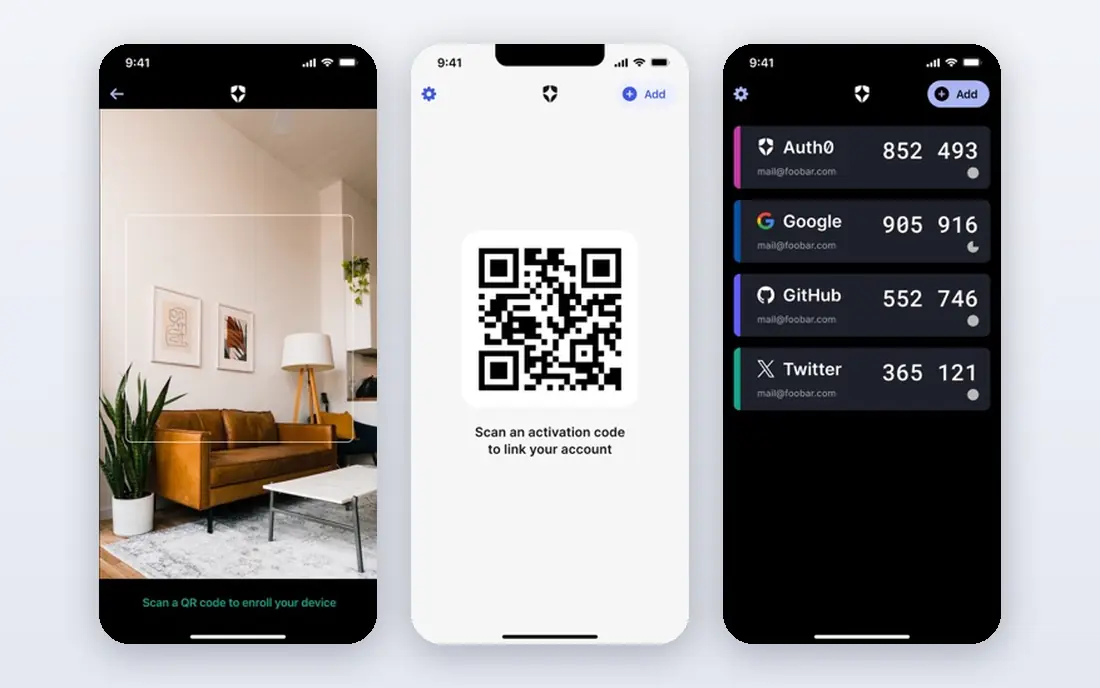
Auth0, now part of Okta, remains a distinct product for customer-facing login. Developers can add sign-in, social login and enterprise SSO to a web or mobile app with documented APIs and SDKs. A free tier supports small projects, while paid plans start at $35 per month for Essentials. That developer focus makes Auth0 a natural alternative when the need is customer identity, not workforce directory management.
The catch is that enterprise SSO for business customers often sits on higher tiers or as an add-on, so B2B SaaS pricing needs careful checking. Monthly active user pricing can also rise with consumer growth. For customer apps, Auth0 is still a benchmark, even though it shares a parent company with Okta.
- Strong developer tools for customer apps
- Free tier for small projects
- Broad social and enterprise connections
- Enterprise SSO connections can add cost
- Pricing scales with monthly active users

OneLogin suits mid-market companies that want workforce SSO without enterprise complexity. Employees sign in once and reach common apps, while IT manages access from one console. Pricing starts at $4 per user per month for the Advanced bundle, which is straightforward to budget. The app catalog covers many common SaaS tools.
Larger firms with complex federation or deep lifecycle automation may find Okta or Ping stronger. For a company with a few hundred employees and standard apps, OneLogin offers a simpler path to SSO and MFA.
- Simple workforce SSO for mid-market teams
- Broad app catalog
- Clear per-user pricing
- Smaller ecosystem than Okta or Entra ID
- Advanced lifecycle features sit on higher tiers

Ping Identity targets large and regulated organizations with complex identity needs. It handles SAML and OpenID Connect federation, hybrid deployments and advanced access controls across many systems. That depth helps banks, health firms and global companies with legacy apps alongside cloud tools.
Pricing is quote-based and implementation can be heavy, so small teams should look elsewhere. For enterprises that find Okta or Entra ID too rigid for a hybrid estate, Ping is a credible alternative with a long enterprise track record.
- Strong federation for hybrid and regulated estates
- Flexible deployment options
- Mature enterprise controls
- Quote-based pricing
- Setup can be complex for small teams
JumpCloud combines a cloud directory with SSO, MFA and device management. Small teams can replace on-premises Active Directory without buying separate directory and device tools. A free tier covers up to 10 users and 10 devices, which suits startups and very small firms. SSO connects common apps, while device policies help manage laptops.
As teams grow, device management pricing becomes a larger part of the bill, and enterprise federation features are less deep than Ping. For a small, cloud-first team, JumpCloud is a practical alternative to a full enterprise identity suite.
- Cloud directory plus device management
- Free tier for up to 10 users and 10 devices
- SSO and MFA included
- Paid device management tiers rise in price
- Less enterprise depth than Ping or Okta
Duo, by Cisco, is best known for multi-factor authentication, but it also supports SSO for many apps. Teams can add strong MFA quickly, with a free tier for up to 10 users and paid plans starting at $3 per user per month. That speed matters when the immediate risk is password theft rather than directory replacement.
Duo does not replace a full workforce directory on its own. It works best alongside an existing directory such as Entra ID, Google Workspace or JumpCloud. If your main goal is to secure logins fast, Duo is a strong alternative layer.
- Easy MFA rollout
- Free tier for up to 10 users
- Works with many existing directories
- Primarily MFA and access, not a full directory replacement
- SSO depth varies by plan
Keycloak is the open source alternative for teams that want full control. You host it yourself, configure realms, clients and federation, and keep data inside your own systems. It supports SAML, OpenID Connect and SCIM provisioning, which covers most enterprise SSO needs. There is no license fee, which appeals to regulated firms and budget-conscious teams.
The real cost is operations. Your team handles upgrades, backups, scaling and security patches. That trade-off suits firms with DevOps capacity and strict data control needs, but not teams that want a managed service.
- Open source and free to use
- SAML, OpenID Connect and SCIM support
- Full control over hosting and data
- You run upgrades, security patches and high availability yourself
- Needs DevOps time
WorkOS solves a different problem from workforce SSO. It helps a SaaS company let its business customers sign in with their own identity provider, such as Okta or Entra ID, without building SAML and SCIM from scratch. Pricing starts at $125 per connection per month for the first connections, with graduated pricing beyond that. Documentation and admin portal tools make enterprise connections faster to ship.
Per-connection pricing means costs rise as you add enterprise customers, so SaaS firms should model that growth. WorkOS is not a replacement for your own internal directory. For B2B SaaS teams, it is one of the cleanest alternatives to building enterprise SSO in-house.
- Clean APIs for adding enterprise SSO to a SaaS app
- Per-connection pricing
- SCIM provisioning included
- Per-connection cost scales with enterprise customer count
- Not a workforce directory
FusionAuth offers both self-hosted and cloud identity, which gives teams a middle path between Keycloak and a fully managed service. Self-hosting is free, while cloud plans start at $120 per month. It supports SSO, MFA, social login and SCIM, with APIs for customer and workforce use cases. That flexibility suits firms that want control but also want a supported cloud option.
The ecosystem of integrations and examples is smaller than Auth0, so some setups need more custom work. For teams that value deployment choice and predictable pricing, FusionAuth is a strong alternative.
- Free self-hosted option
- Cloud plans from $120 per month
- Unlimited users on some self-hosted setups
- Smaller ecosystem than Auth0
- Self-hosted setup needs operational care
Frontegg is built for B2B SaaS products that serve many customer organizations. Each customer tenant gets its own SSO, roles and SCIM settings, managed through an admin portal. A free tier supports smaller use, while larger plans are sales-led. That tenant model saves SaaS teams from building multi-tenant identity logic themselves.
It is less of a fit for a company that only needs internal workforce SSO. For SaaS firms that sell to enterprises and need customer IT teams to manage their own access, Frontegg is a focused alternative.
- Tenant management for B2B SaaS
- SSO and SCIM for customer organizations
- Admin portal for customer IT teams
- Sales-led pricing for larger use
- Less suited to simple workforce SSO
Descope lets developers build login flows visually, including passwordless, passkey and social options, without writing every auth screen from scratch. A free tier supports small projects, with usage-based pricing beyond that. That speed helps product teams ship modern login experiences and test passkey adoption.
Enterprise SSO and SCIM for large B2B customers sit on higher tiers, so SaaS firms should check those costs early. Descope is newer than Ping or Auth0, but its flow builder is a real advantage for teams that iterate on login design often.
- Visual flow builder for login journeys
- Free tier for small projects
- Passkey and social login support
- Enterprise SSO features sit on higher tiers
- Newer vendor than Ping or Auth0
How we picked these
We compared official pricing pages, feature lists and public documentation for identity tools that can replace or complement Okta and Entra ID. We included workforce SSO, customer login, self-hosted options and SaaS enterprise SSO tools, because the right alternative depends on whether you secure employees, customers or both. Prices change, so check vendor pages and trial the SAML, OpenID Connect and SCIM flows that matter to you.
How to choose between these models
First, decide who logs in. Workforce SSO tools such as OneLogin, Ping and JumpCloud secure your employees. Customer identity tools such as Auth0, FusionAuth and Descope secure users of your app. SaaS enterprise SSO tools such as WorkOS and Frontegg let your business customers bring their own identity provider.
Next, compare pricing on your real numbers. Per-user pricing suits a known workforce, per-active-user pricing suits consumer apps, and per-connection pricing suits B2B SaaS with a growing enterprise customer count. Finally, check protocol coverage and deprovisioning. SAML and OpenID Connect handle login, while SCIM handles automatic account creation and removal when people join or leave. Audit logs and MFA should be included, not optional extras, for any enterprise use.
Sources
Frequently asked questions
What are the best alternatives to Okta?
OneLogin suits mid-market workforce SSO, Ping Identity suits large hybrid estates, and JumpCloud suits small cloud-first teams. Auth0 suits customer login, while Keycloak and FusionAuth suit self-hosted needs.
What are the best alternatives to Microsoft Entra ID?
OneLogin, Ping Identity and JumpCloud offer vendor-neutral workforce SSO for firms that do not want to standardize on Microsoft. Duo adds MFA on top of an existing directory, while Google Workspace identity suits Google-centered firms.
Is Auth0 an alternative to Okta if Okta owns Auth0?
Auth0 is a separate product focused on customer identity, even though Okta owns it. It can be an alternative for customer login use cases, but firms that want full independence from Okta should consider Ping, OneLogin, FusionAuth or Keycloak.
What is the cheapest enterprise SSO alternative?
Keycloak is free to use if you self-host, and JumpCloud, Duo and Descope offer free tiers for small teams. The cheapest managed option depends on user count and whether you need workforce SSO, customer login or SaaS enterprise connections.
Should a SaaS company use WorkOS or build SSO itself?
WorkOS saves engineering time for SAML, SCIM and admin portals, at a per-connection cost. Building in-house gives control but adds maintenance for each customer identity provider. Most small SaaS teams save time with WorkOS or a similar tool.
What protocols matter for enterprise SSO?
SAML 2.0 and OpenID Connect handle login, while SCIM handles user provisioning and deprovisioning. Confirm that your chosen tool supports the protocols your customers use, and that audit logs and MFA are included on your plan.