Best AEO Checking Tools in 2026: 8 Tools Compared
By ToolNimba Editorial Team October 31, 2026 9 min read

- Top pick
 Profound
Enterprise AI visibility tracking
Starting priceSee websiteCheck out ProfoundRead our review - Runner-up
 Peec AI
Prompt and citation analytics
Starting priceSee websiteCheck out Peec AIRead our review - Also great
 Otterly.AI
Affordable daily AI monitoring
Starting priceSee websiteCheck out Otterly.AIRead our review
How we researched this
We compared official pricing and feature pages, app store listings, privacy policies and public user reviews. Prices change, so check the provider's site before you pay.
Key takeaways
- Profound and Peec AI lead for dedicated AI visibility tracking, while Semrush, Ahrefs and SE Ranking suit teams that want AI checks inside an existing SEO platform.
- Otterly.AI is a useful lower cost entry point for small teams that need daily prompt checks without an enterprise contract.
- The most useful AEO tools show the full AI answer and its cited sources, not just a score, so you can audit what changed and why.
- Pricing varies widely, and many enterprise tools do not publish a fixed price, so request a quote based on your prompt count and model coverage before deciding.
- AEO checking works best alongside content fixes, because tracking alone will not earn citations from AI answers.
Quick comparison
| Name | Best for | Starting price | Free plan | |
|---|---|---|---|---|
| Profound | Enterprise AI visibility tracking | See website | No | Visit |
| Peec AI | Prompt and citation analytics | See website | No | Visit |
| Otterly.AI | Affordable daily AI monitoring | See website | Free trial | Visit |
 Semrush AI Visibility | AI tracking inside Semrush | See website | Free trial | Visit |
 Ahrefs Brand Radar | AI mentions plus SEO data | See website | No | Visit |
 Scrunch | AI monitoring with site audits | See website | No | Visit |
 SE Ranking | SEO plus AI prompt tracking | $129 per month | Free trial | Visit |
 Nightwatch | Local and multi region AI tracking | See website | Free trial | Visit |
The best AEO checking tools
AEO, or answer engine optimization, is about how AI answers mention and cite your brand when people ask questions instead of searching for links. An AEO checking tool asks those models the same prompts on a schedule, records whether your brand appears, and shows which pages get cited. The tools below differ in model coverage, prompt limits, reporting depth and price, so the right choice depends on team size and budget.
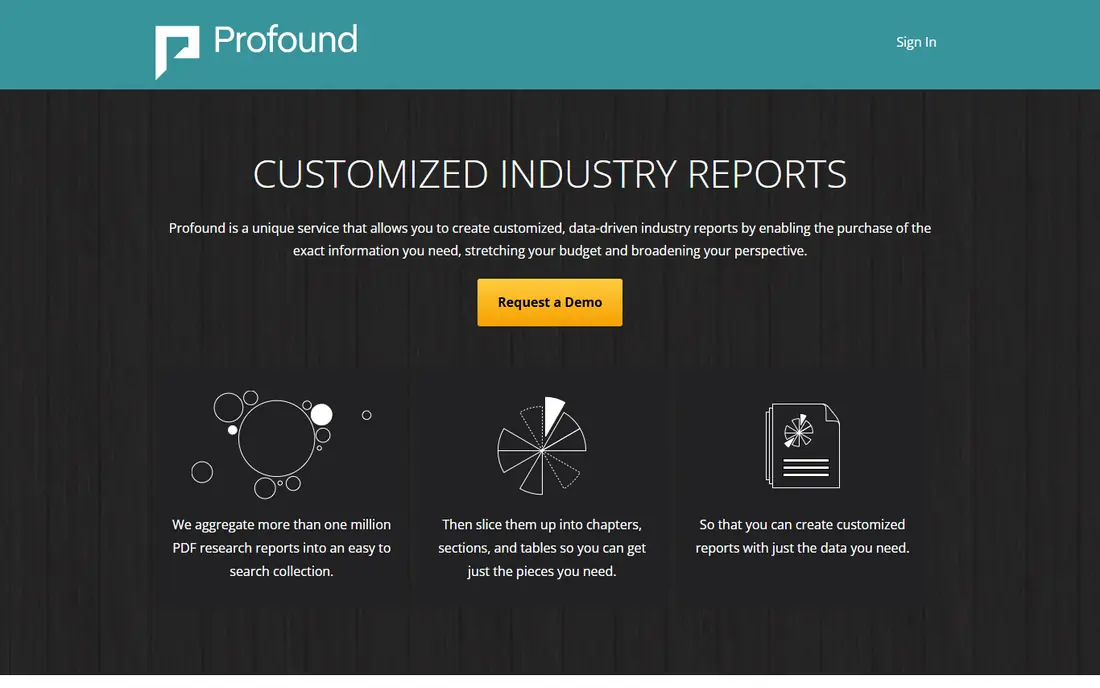
Profound is often treated as the default enterprise option in this category, and its focus explains why. It is built around AI answer tracking rather than adding AI features to an older SEO suite, so its reports centre on prompts, mentions, citations and competitor comparisons. Larger teams that report AI visibility to leadership will find that structure useful.
The drawback is cost and scope. Pricing is quote based, which makes it hard to compare at a glance, and smaller teams may pay for depth they do not use every week. If you manage a large brand or agency portfolio and need regular, auditable AI visibility reporting, Profound is a strong shortlist candidate.
- Dedicated AI visibility analytics
- Broad model coverage
- Reporting built for larger marketing teams
- Enterprise pricing is not published
- May be more than small teams need
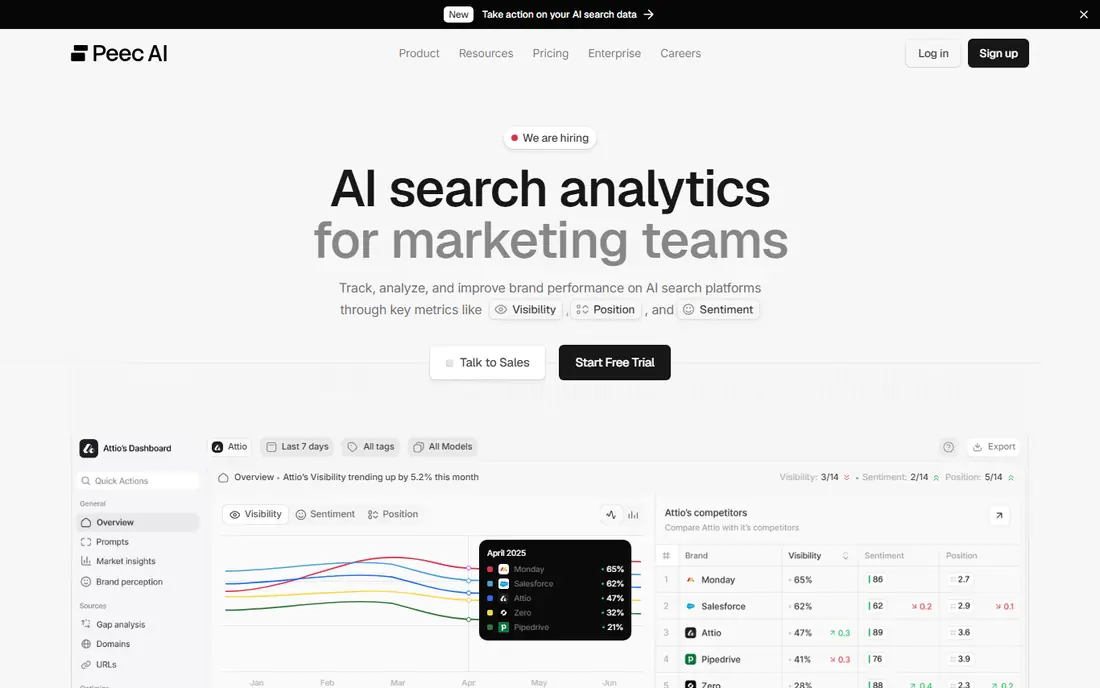
Peec AI focuses on the analytics side of AEO, tracking how prompts perform across selected models and showing where competitors appear instead of you. That makes it easier to spot specific questions where your content is missing, weak or not cited. Agencies like the ability to compare clients and competitors in the same view.
It is less of an end to end content production tool, so teams that want the platform to write and publish fixes may need a separate workflow. For teams that already have content resources and mainly need reliable measurement, Peec AI offers a focused, practical option.
- Clear prompt level tracking
- Citation and gap reporting
- Popular with agencies
- Pricing varies by plan and model choice
- Content action features are less central than tracking
Otterly.AI suits small businesses and solo marketers who want to know what AI answers say about them without signing an enterprise contract. Daily checks on a short prompt list give you a steady signal, and citation views help you see which pages AI tools actually reference. That is enough to guide basic content updates.
Larger teams may outgrow the prompt limits or need deeper segmentation and reporting. As a first AEO tool, however, Otterly.AI is one of the easiest ways to start measuring AI visibility and to learn which questions matter most for your brand.
- Lower entry cost than enterprise tools
- Daily prompt checks
- Citation and content audit views
- Prompt limits are lower on entry plans
- Enterprise reporting is more limited
Semrush AI Visibility makes sense if your team already works in Semrush every day. Instead of learning a new platform, you can check AI mentions and sources alongside keyword rankings, site audits and competitor research. That combined view helps connect AI visibility changes with wider SEO work.
The trade off is depth. A dedicated AEO platform may offer more model coverage or prompt level detail than a bundled feature. If AI tracking is a secondary need and you already pay for Semrush, this is the efficient choice. If AI visibility is your main job, compare it closely with Profound or Peec AI first.
- Sits inside a familiar SEO platform
- Mentions and sources views
- Useful for teams already using Semrush
- AI features depend on your Semrush plan
- Not a standalone AEO specialist
Ahrefs Brand Radar appeals to teams that already trust Ahrefs for backlinks, keywords and content research. Adding AI prompt tracking to that data set lets you see brand mentions in AI answers next to the search data you already use. That context helps when you are deciding whether an AI visibility gap is also a content or authority gap.
It is not the cheapest way to check AI answers alone, because you are paying for a full SEO suite. Teams that use Ahrefs daily will get good value from the combination. Teams that only need AEO checks should compare the total plan cost with a focused tool such as Otterly.AI.
- Strong SEO data alongside AI tracking
- Brand mention views
- Useful for research heavy teams
- AI tracking sits inside wider Ahrefs plans
- Entry cost reflects the full suite
Scrunch pairs AI answer monitoring with site audits and page fixes, which helps teams move from measurement to action. Instead of only learning that a page is not cited, you can see technical or content issues that may hold it back. That link between tracking and fixing is useful for teams that own both SEO and site quality.
Pricing is not published as a simple starting rate, so you will need a sales conversation to compare costs. Scrunch fits mid sized and larger teams that want monitoring plus a clear fix list. Smaller teams with a simple prompt list may prefer a lower cost tracker first.
- AI answer monitoring paired with audits
- Page level fix suggestions
- Useful for technical teams
- Pricing is quote based
- Smaller teams may find the scope broad
SE Ranking is a practical choice for SEO teams that want AI prompt tracking without buying a separate enterprise tool. Its published starting price makes budgeting easier, and the platform already covers rank tracking, audits and competitor research. Adding AI prompts to the same project keeps reporting in one place.
Dedicated AEO platforms may still offer deeper prompt analysis or wider model coverage. For agencies and in house teams that need a balanced SEO and AEO view at a known price, SE Ranking offers good value and a free trial to test the AI features before committing.
- Published starting price
- AI prompts bundled into an SEO platform
- Daily rank and AI views
- AI depth varies by plan
- Enterprise AEO reporting is less specialised
Nightwatch stands out for location precision, which matters if your customers search from specific cities or regions. Its AI tracking add on lets agencies and local brands check how AI answers change by location, rather than relying on a single national view. White label reporting also helps agencies share results with clients.
The main catch is that AI tracking is an add on rather than part of the base plan, so total cost depends on your configuration. If local accuracy is central to your work, Nightwatch is worth a trial. If you only need national prompt checks, a simpler AEO tracker may cost less.
- Strong location level tracking
- AI visibility add on
- White label reporting for agencies
- AI tracking requires a paid add on
- Setup takes care for multi location projects
How we picked these
We compared official feature pages, pricing pages, product documentation and public reviews for each platform. We looked at model coverage, prompt tracking, citation visibility, reporting depth, integration with SEO workflows and whether pricing was published or quote based. We did not claim hands on testing that we did not carry out, and we included both dedicated AEO tools and SEO platforms with AI tracking so readers can compare the two approaches fairly.
What to check before you buy an AEO tool
Start with your prompt list, not the sales page. Write down the 20 to 50 questions your buyers actually ask, then check which tools track those prompts across the models your audience uses, such as ChatGPT, Gemini, Perplexity and Google AI features. A tool that tracks the wrong models or only a handful of prompts will not help, even if its dashboard looks polished.
Questions that separate useful tools from dashboards
Ask whether you can read the full AI answer behind each score, see every cited source, export the data and compare competitors on the same prompts. Ask how often prompts refresh, whether location affects results and what happens when you exceed your prompt limit. Those answers matter more than a single visibility score.
Budgeting for AEO checking
Enterprise AEO tools often use quote based pricing tied to prompts, models and seats, so total cost can rise quickly. Start with a smaller prompt set, test for a month or a trial period, and expand only for questions that drive real enquiries or sales. A lower cost tracker plus focused content fixes often beats an expensive dashboard that no one acts on.