Best AI Search Optimization Tools in 2026: 9 Platforms Compared
By ToolNimba Editorial Team October 31, 2026 9 min read

- Top pick
 Profound
Enterprise AI visibility analytics
Starting priceSee websiteCheck out ProfoundRead our review - Runner-up
 Peec AI
Clean GEO analytics for teams
Starting priceSee websiteCheck out Peec AIRead our review - Also great
 Semrush AI Toolkit
AI visibility inside an SEO suite
Starting priceSee websiteCheck out Semrush AI ToolkitRead our review
How we researched this
We compared official pricing and feature pages, app store listings, privacy policies and public user reviews. Prices change, so check the provider's site before you pay.
Key takeaways
- Profound leads for enterprise brands, while Peec AI offers the clearest analytics for marketing teams.
- Semrush and Ahrefs are best if you already pay for those SEO suites and want GEO added.
- AthenaHQ and Scrunch AI connect visibility to content actions and conversation journeys.
- Otterly AI and free graders are the best starting points before committing to a paid GEO platform.
Quick comparison
| Name | Best for | Starting price | Free plan | |
|---|---|---|---|---|
| Profound | Enterprise AI visibility analytics | See website | No | Visit |
| Peec AI | Clean GEO analytics for teams | See website | Free trial | Visit |
| Semrush AI Toolkit | AI visibility inside an SEO suite | See website | Free trial | Visit |
 Ahrefs Brand Radar | AI visibility inside Ahrefs | See website | Free trial | Visit |
 Scrunch AI | AI visibility across conversations | See website | Free trial | Visit |
 AthenaHQ | Deep GEO with content actions | See website | Free trial | Visit |
 Goodie AI | All in one AI search monitoring | See website | Free trial | Visit |
 Writesonic | GEO plus content creation | See website | Free trial | Visit |
 Otterly AI | Beginner friendly AI visibility tracking | See website | Free trial | Visit |
The best AI search optimization platforms
AI search optimization, often called GEO, is about being cited in AI answers, not just ranking in blue links. The platforms below track prompts across ChatGPT, Gemini, Perplexity, and Google AI Overviews, then help you fix the content gaps they reveal.
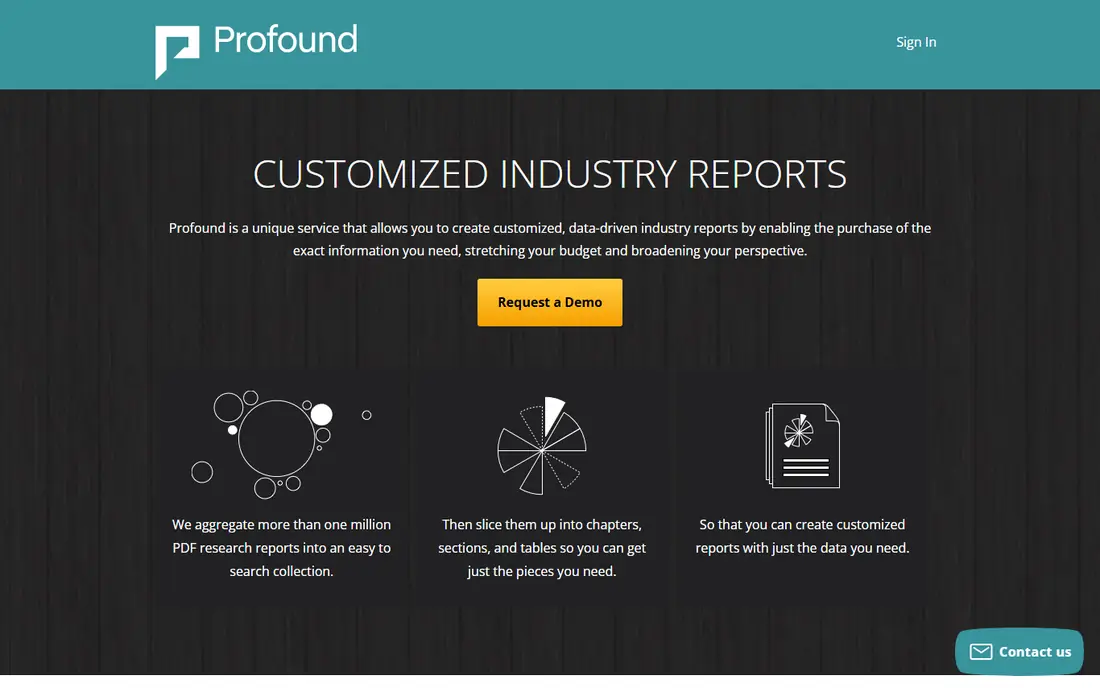
Profound is the enterprise default for AI search visibility, because it tracks how AI engines answer, cite, and frame a brand across major models. Citation tracking, share of voice, and prompt analysis help large brands see where they appear in ChatGPT, Gemini, Perplexity, and Google AI Overviews, and newer integrations connect those signals to traffic.
Pricing is enterprise level, so a single small site will find it hard to justify. Sales is often demo led for larger plans. For a large brand that must report AI visibility to leadership, Profound offers depth that smaller tools cannot match.
- AI answer monitoring
- Citation tracking
- Share of voice
- Traffic integration
- Enterprise pricing
- Overkill for a single small site
- Demo led sales for larger plans
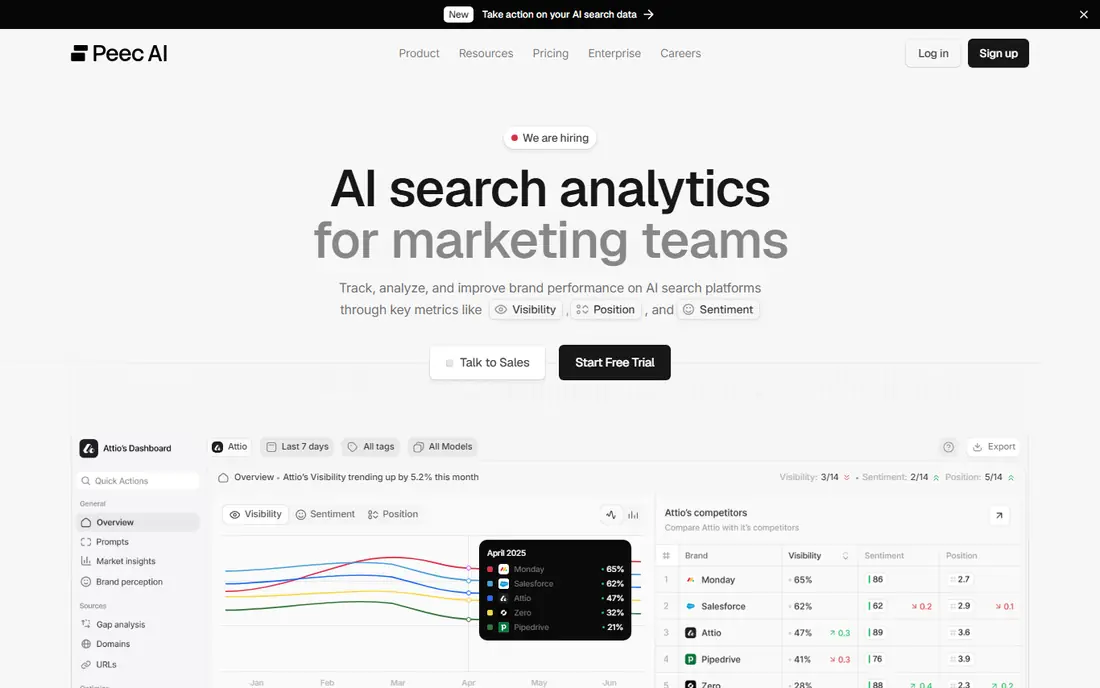
Peec AI stands out for clarity. It separates direct source citations from general brand visibility mentions, which helps teams understand whether an AI engine actually used their page or merely mentioned their brand. Competitor benchmarking and prompt monitoring make the dashboard useful for agencies and marketing teams.
Pricing is in euros and entry plans limit prompt volume, so check total cost for your prompt list. Solo bloggers with a handful of prompts may find a free grader enough. For a team that reports AI visibility weekly, Peec AI is a strong, readable choice.
- Share of voice
- Citation versus visibility distinction
- Competitor benchmarking
- Euro pricing
- Entry plans limit prompts
- Best for teams, not solo bloggers
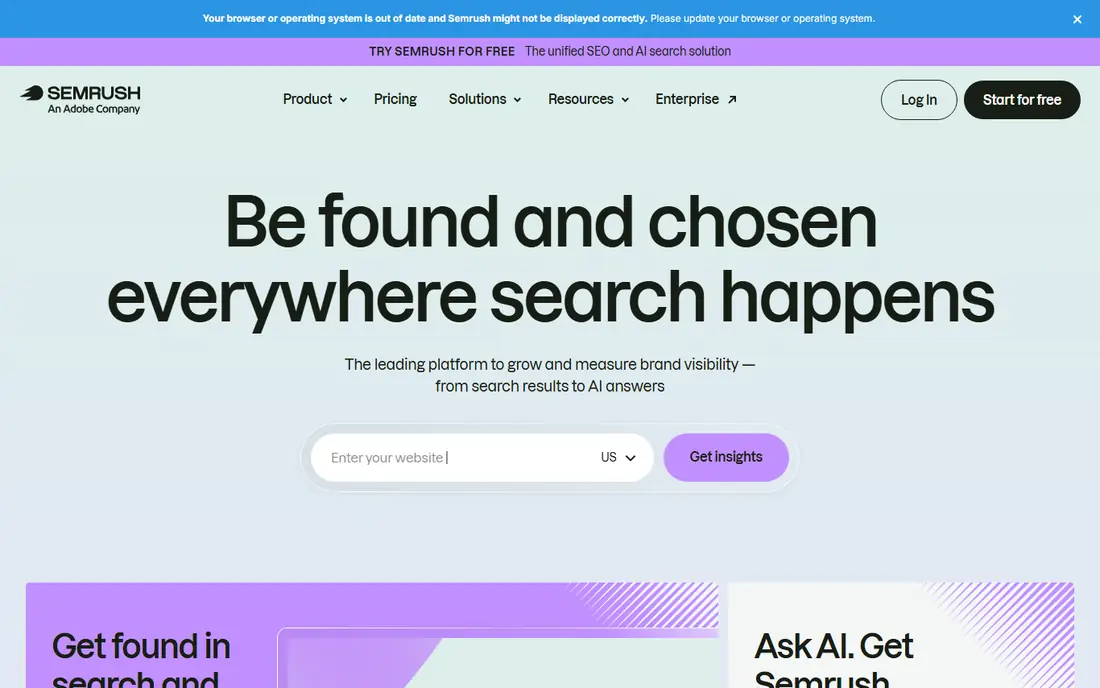
Semrush AI Toolkit suits teams already paying for Semrush, because AI visibility sits beside classic keyword, audit, and competitor data. AI Overview monitoring and brand visibility reports help an SEO team add GEO without a separate platform, and the shared reporting keeps one dashboard for search work.
Per domain pricing adds up for multi brand teams, and buying the full suite for GEO alone is expensive. If you already use Semrush, the toolkit is a natural extension. If you only need GEO, a dedicated tool such as Peec AI may be cheaper.
- AI brand visibility
- AI Overview monitoring
- SEO plus GEO reporting
- Per domain pricing adds up
- Full SEO suite cost is high for GEO only users
Ahrefs Brand Radar adds AI visibility to a suite many SEO teams already trust. Cited domains and cited pages reports show exactly which URLs AI engines pull from when mentioning a brand, which turns a visibility score into an actionable fix list. Backlink and content data beside it help teams understand why a page gets cited.
Brand Radar is included in Ahrefs plans, so the entry cost reflects the full suite rather than GEO alone. GEO features are also newer than classic Ahrefs tools. For an Ahrefs team, it is the most efficient way to add AI search tracking.
- Cited domains and pages
- AI references
- Backlink and content data beside GEO
- Included in Ahrefs plans, so entry cost reflects the full suite
- Newer GEO features still growing
Scrunch AI looks beyond single prompts to multi turn conversations, which matters as AI search becomes more conversational. Prompt analytics, citation tracking, and hallucination detection help teams see how a brand appears across a full customer journey, not just one answer. That view suits digital marketing teams planning content for AI surfaces.
Pricing is mid to high, so casual users should start with a free grader instead. The platform also rewards teams that act on insights, not just read dashboards. For a marketing team serious about AI visibility, Scrunch AI is a strong contender.
- Prompt analytics
- Citation tracking
- Hallucination detection
- Customer journey view
- Mid to high pricing
- Best for marketing teams, not casual users
AthenaHQ bridges classic SEO and GEO by scoring content depth and semantic coverage, then turning gaps into actions. Prompt monitoring and competitor insights show where a brand loses AI answers, and the Action Center can draft optimizations for review. That link from measurement to action is its main advantage.
Entry pricing is higher than beginner tools, and the platform suits larger teams that will actually use the action workflow. Small teams may find Peec AI or a free grader enough. For a content team that publishes often, AthenaHQ connects visibility to work well.
- Prompt monitoring
- Content depth scoring
- Action Center for optimizations
- Higher entry pricing
- Complexity suits larger teams
- Action features need review
Goodie AI offers an all in one dashboard for AI search monitoring, with brand mention tracking, citation monitoring, recommendations, and alerts in one place. That simplicity helps content marketers who want one view without stitching several tools together. Sentiment and alert features also flag sudden changes in how AI engines describe a brand.
Some pricing is contact led, so check the plan that matches your prompt volume and engine coverage. As a newer platform, coverage details matter, so confirm which engines and regions are tracked before committing. For a straightforward GEO dashboard, Goodie AI is worth a trial.
- Brand mention tracking
- Citation monitoring
- AI recommendations
- Alerts and sentiment
- Contact led pricing on some plans
- Newer platform, so check engine coverage
Writesonic suits content creators who want GEO monitoring and content creation in the same product. AI visibility tracking shows where a brand appears, and the content suite turns citation gaps into drafts and recommendations. That loop helps small teams that both track and publish.
GEO is one part of a larger suite, so pure tracking teams may prefer a dedicated tool. AI drafts also need human review for accuracy and tone. For a creator led team, the combined workflow can save time.
- AI visibility monitoring
- GEO content optimization
- Full SEO content suite
- GEO is one part of a larger suite
- Content quality still needs human review
Otterly AI is the most beginner friendly tool in this list, because it converts keywords into prompts and tracks brand mentions with sentiment in a simple dashboard. That approach helps a small team start GEO work without learning enterprise analytics first. Pricing starts lower than enterprise platforms, which also helps for a first year test.
Lower plans limit prompt volume, and depth is less than Profound or AthenaHQ. As prompt lists grow, costs rise. For a first GEO tool, Otterly AI offers a clear, affordable entry point.
- Prompt to keyword conversion
- Brand mention tracking
- Sentiment analysis
- Lower plans limit prompts
- Less depth than enterprise platforms
How we picked these
We compared official feature pages, current pricing pages, app store listings, and privacy policies, along with public reviews, to check what each product actually offers in October 2026. We kept only products that are available now and that fit the topic directly, and we left out tools that were discontinued, region locked in a way that limits most readers, or too narrow for the list. Prices change often, so check the vendor page before you pay, and treat any free plan limit as a starting point rather than a promise for the future.
How to choose a GEO platform
We compared official feature and pricing pages, engine coverage, and public reviews for platforms that actually query AI engines and store prompt history. ### Coverage first
Check which engines, regions, and prompt types a tool tracks, and whether you can read the raw answers behind a score. A score without raw answers is hard to act on. ### From score to fix
Prefer tools that show cited pages, competitor citations, and content gaps, not just a visibility number. If you already use Semrush or Ahrefs, adding their GEO feature is often cheaper than a separate platform. Start with a free grader, then trial one paid tool on your top twenty prompts.