Best Backlink Platform in 2026: 9 Apps Compared
By ToolNimba Editorial Team November 7, 2026 8 min read

- Top pick
 Ahrefs
Deep backlink research
Starting price$129 per monthCheck out AhrefsRead our review - Runner-up
 Semrush
Backlinks inside a full SEO suite
Starting price$139.95 per monthCheck out SemrushRead our review - Also great
 Majestic
Link quality and authority metrics
Starting price$49.99 per monthCheck out MajesticRead our review
How we researched this
We compared official pricing and feature pages, app store listings, privacy policies and public user reviews. Prices change, so check the provider's site before you pay.
Key takeaways
- Ahrefs has the deepest backlink research data for serious link prospecting and competitor gaps.
- Semrush suits teams that want backlinks inside a wider SEO, content, and paid suite.
- Majestic suits link-quality work, with Trust Flow and Citation Flow as its core metrics.
- Linkody and Monitor Backlinks suit small teams that mainly need loss alerts and simple reports.
- Google Search Console is free and should run alongside any paid tool, since it shows Google own link data.
Quick comparison
| Name | Best for | Starting price | Free plan | |
|---|---|---|---|---|
| Ahrefs | Deep backlink research | $129 per month | Free trial | Visit |
| Semrush | Backlinks inside a full SEO suite | $139.95 per month | Free trial | Visit |
| Majestic | Link quality and authority metrics | $49.99 per month | Free trial | Visit |
 Moz Pro | Approachable link metrics | $49 per month | Free trial | Visit |
 Linkody | Simple backlink monitoring | $14.90 per month | Free trial | Visit |
 SE Ranking | Value across SEO tasks | See website | Free trial | Visit |
 BuzzStream | Outreach and link prospecting | $49 per month | Free trial | Visit |
 Pitchbox | Outreach at agency scale | $300 per month | Free trial | Visit |
 Google Search Console | Free baseline link data | Free | Yes | Visit |
The best backlink platforms
These platforms cover the full link workflow: find links, judge quality, monitor losses, and run outreach, so you can pick by which stage needs the most help.
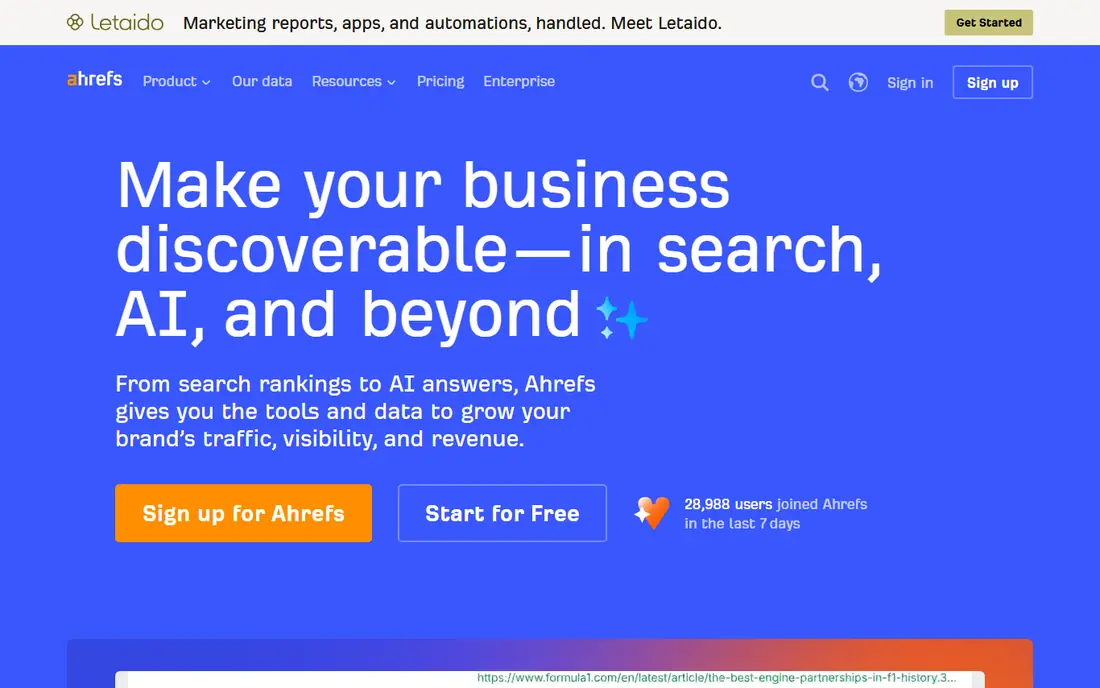
Ahrefs is the standard for backlink research. Its Site Explorer shows who links to you and to competitors, Link Intersect finds sites that link to rivals but not to you, and broken link reports turn dead pages into outreach targets. For serious prospecting, its data depth is hard to match.
The price is high for hobby sites, and beginners may need time to learn its reports. Start with its free tools for your own verified site, and upgrade when weekly link research becomes part of your routine. For agencies and competitive niches, Ahrefs earns its fee.
- Large live backlink index
- Link Intersect and gap reports
- Broken link research
- High price for small sites
- Depth can overwhelm beginners
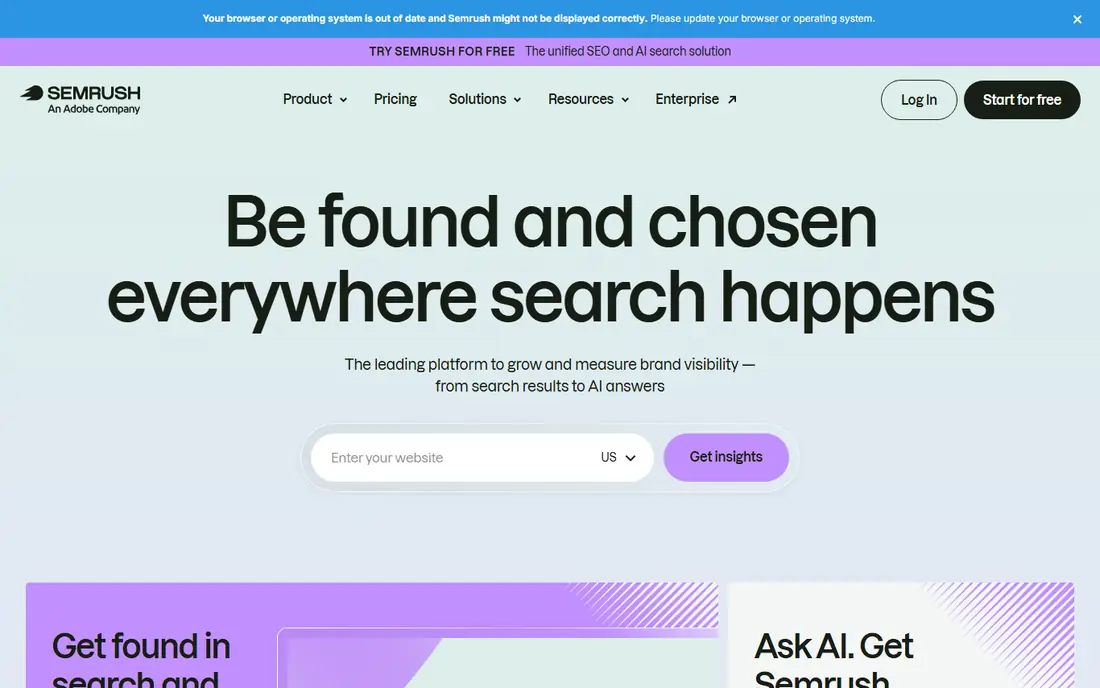
Semrush suits teams that want backlink work inside a wider marketing suite. Its Backlink Analytics shows competitor links, its Audit flags toxic or risky links, and its Link Building Tool organizes outreach. Content and keyword tools sit in the same account, which helps small teams avoid several subscriptions.
If you only need link data, Semrush costs more than a focused tracker, and its breadth can distract from link work. It also overlaps heavily with Ahrefs, so most teams need one, not both. For a team that uses SEO broadly, Semrush is a strong single subscription.
- Backlink Analytics and Audit
- Link gap and toxicity checks
- Keyword and content tools
- Expensive if you only need links
- Some reports overlap with Ahrefs
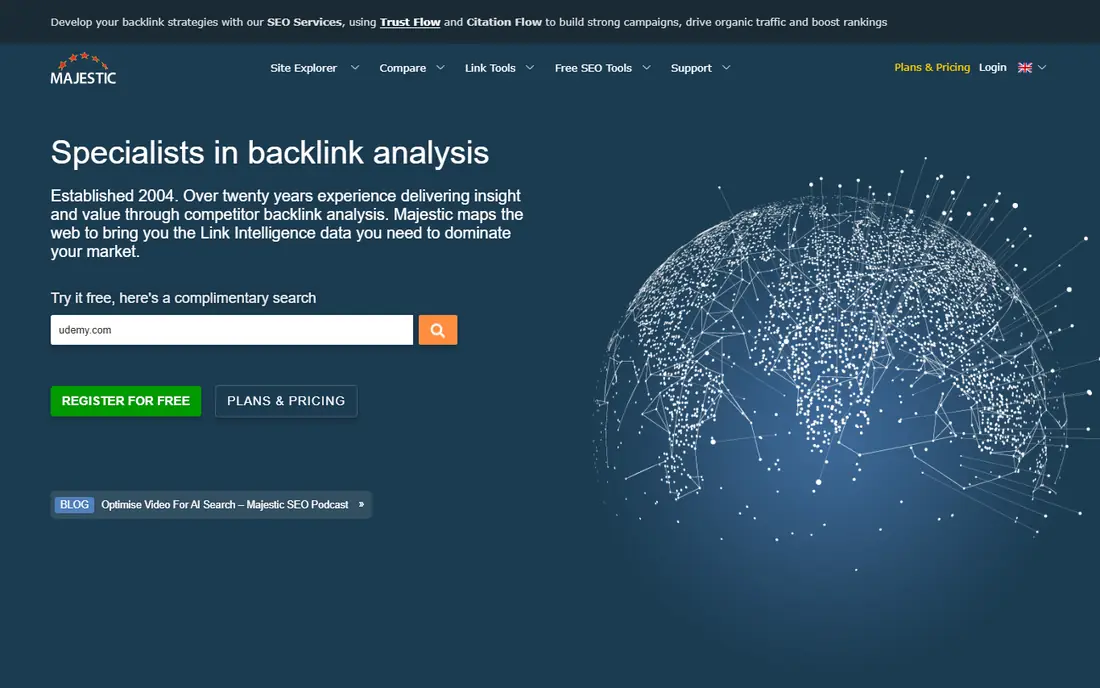
Majestic is the link specialist. Its Trust Flow and Citation Flow metrics help judge whether a linking site is trustworthy and topically relevant, and its fresh and historic indexes support both current audits and long-term research. Link-focused SEOs value that purity.
Its interface feels older than Ahrefs or Semrush, and it lacks their full keyword and content suites. Treat Majestic as a link-quality layer, not a complete SEO platform. For vetting links before outreach, it remains a respected tool.
- Trust Flow and Citation Flow
- Fresh and historic indexes
- Topical link context
- Interface feels dated
- Less of a full SEO suite than rivals
Moz Pro suits content teams and beginners who want link metrics without a steep learning curve. Domain Authority and Spam Score give a quick quality read, Link Explorer shows linking domains, and lost-link alerts catch drops early. Its reporting is easy to explain to clients.
Its link index is smaller than Ahrefs, so deep competitor research may miss links rivals find. Higher tiers also rise in price for larger teams. For quick vetting and client-friendly reports, Moz Pro is a dependable pick.
- Domain Authority and Spam Score
- Link Explorer
- Lost-link monitoring
- Link index is smaller than Ahrefs
- Higher tiers rise in price
Linkody is the simple monitor many small teams need. It checks backlinks daily, alerts you to new and lost links, and exports disavow files for harmful links. Setup is quick, and reports are easy to read without SEO training.
It is not a deep prospecting tool, so teams building large outreach lists will still need Ahrefs or Semrush. Its strength is keeping watch after links are earned. If monitoring is the main job, Linkody is excellent value.
- Daily new and lost link checks
- Disavow exports
- Competitor tracking
- Research depth is limited
- Best as a monitor, not a prospecting tool
SE Ranking suits small teams and agencies that want backlink checks plus rank tracking, audits, and reporting in one cheaper suite. Its Backlink Checker and monitoring cover everyday link work, while agency reporting helps client work. Value is its main appeal.
Backlink depth sits below Ahrefs, so competitive link research may need a second tool. Plan limits also vary, so confirm backlink checks and domains on your tier. For a balanced, affordable suite, SE Ranking is a smart pick.
- Backlink Checker and monitoring
- Rank tracking and site audit
- Agency reporting
- Backlink depth is below Ahrefs
- Pricing varies by plan and limits
BuzzStream covers the outreach half of link building. It organizes prospects, tracks email sequences, and records replies, so teams can run coordinated campaigns without losing track of conversations. For digital PR and guest-post outreach, that structure matters.
It does not replace a link index, since prospect lists must come from research tools or manual work. Pricing also rises with users and features. Pair BuzzStream with Ahrefs or Semrush for research, and it becomes the outreach engine.
- Outreach CRM for prospects
- Email sequences
- Campaign tracking
- Not a link index
- Needs a research tool for prospect lists
Pitchbox suits agencies running outreach at scale. It automates sequences, integrates with prospecting tools, and manages large campaigns across clients. Teams that send hundreds of pitches monthly will use its workflow depth daily.
The starting price rules it out for solo SEOs, and setup rewards outreach experience. Small teams should start with BuzzStream or manual outreach first. For agency-scale link building, Pitchbox is a powerful, focused platform.
- Automated outreach sequences
- Prospecting integrations
- Agency workflows
- High starting price
- Setup needs outreach experience
Google Search Console is the free baseline every site owner should use. It shows which sites link to your verified site, which pages attract links, and which anchor text appears, all from Google own data. No paid tool replaces that first-party view.
It only covers your own site, so competitor research still needs Ahrefs, Semrush, or Majestic. Its interface is also simpler than paid tools. Set it up first, check it monthly, and layer a paid tool on top when competitor data matters.
- First-party link data from Google
- Free for verified sites
- Export options
- Only shows links to your own site
- No competitor link data
How we picked these
We compared official pricing and feature pages, plus recent backlink-tool comparisons that list starting prices, free options, and index strengths. We favored tools with reliable link discovery, loss alerts, or outreach workflows, and we kept Google Search Console as the free baseline.
We did not claim hands-on testing we did not do. Link indexes and prices change, so we used commonly listed starting prices and marked unclear cases as See website for confirmation on the vendor page.
How to choose a backlink platform
Decide research, monitoring, or outreach first
Research tools find competitor links, monitors watch your links, and outreach tools manage pitches. Most teams need research plus monitoring, while outreach tools only pay off when pitching is a weekly job.
Judge link quality, not just link counts
A few links from trusted, relevant sites beat many links from thin sites. Use Trust Flow, Domain Authority, Spam Score, and topical relevance together, and check the linking page itself before pursuing a link.
Start free, then pay for depth
Set up Google Search Console first, then add a focused monitor such as Linkody. Upgrade to Ahrefs or Semrush when competitor gaps, audits, or outreach volume justify the monthly cost.
Sources
Frequently asked questions
What is the best backlink platform overall?
Ahrefs is the best for deep backlink research, while Semrush suits teams that want links inside a wider SEO suite. Majestic suits link-quality vetting, and Linkody suits simple monitoring at a low price.
What is the best backlink service for small businesses?
Linkody and Moz Pro suit small businesses best, since both are affordable and easy to use. Google Search Console is free and should run alongside either tool for first-party link data.
What is the best backlinks tool for competitor research?
Ahrefs Link Intersect and Semrush Backlink Gap are the strongest competitor tools, since both show sites linking to rivals but not to you. Majestic adds Trust Flow context for judging those prospects.
Do I need to pay for a backlink tool?
Not at first. Google Search Console gives free link data for your own site, and Moz and Ahrefs offer limited free checks. Paid tools help when you research competitors, audit large profiles, or monitor many sites.
How do I check if a backlink is good?
Check the linking site relevance, traffic, and trust metrics, read the linking page, and confirm the link is not paid, hidden, or from a spammy network. Tools give scores, but a human check of the page itself is still the best test.