Best Freelance Platforms in 2026: 8 Platforms Compared
By ToolNimba Editorial Team November 7, 2026 9 min read

- Top pick
 Upwork
Broadest job volume
Starting priceFreeCheck out UpworkRead our review - Runner-up
 Fiverr
Packaged creative services
Starting priceFreeCheck out FiverrRead our review - Also great
 Toptal
Senior vetted specialists
Starting priceSee websiteCheck out ToptalRead our review
How we researched this
We compared official pricing and feature pages, app store listings, privacy policies and public user reviews. Prices change, so check the provider's site before you pay.
Key takeaways
- Upwork offers the broadest job volume across categories, while Fiverr suits packaged, product-style services that clients can buy at once.
- Fees matter more than headline rates: a 20 percent commission changes take-home pay a lot compared with a zero-commission platform.
- Vetted networks like Toptal suit senior specialists, but they accept a smaller share of applicants and offer less open job volume.
- Payment protection varies, so check escrow, dispute handling, and payout timing before you take a large project.
Quick comparison
| Name | Best for | Starting price | Free plan | |
|---|---|---|---|---|
| Upwork | Broadest job volume | Free | Yes | Visit |
| Fiverr | Packaged creative services | Free | Yes | Visit |
| Toptal | Senior vetted specialists | See website | No | Visit |
 Freelancer.com | Budget bidding and contests | Free | Yes | Visit |
 Guru | Ongoing client relationships | Free | Yes | Visit |
 PeoplePerHour | UK and European clients | Free | Yes | Visit |
 Contra | Zero-commission direct work | Free | Yes | Visit |
 99designs | Design contests and projects | Free | Yes | Visit |
The best freelance platforms
A freelance platform is really three things at once: a place to find clients, a payment system, and a trust system. The best choice depends on whether you need volume, high rates, low fees, or a specific kind of work. Joining is usually free, and platforms earn money from commissions, client fees, or paid plans.
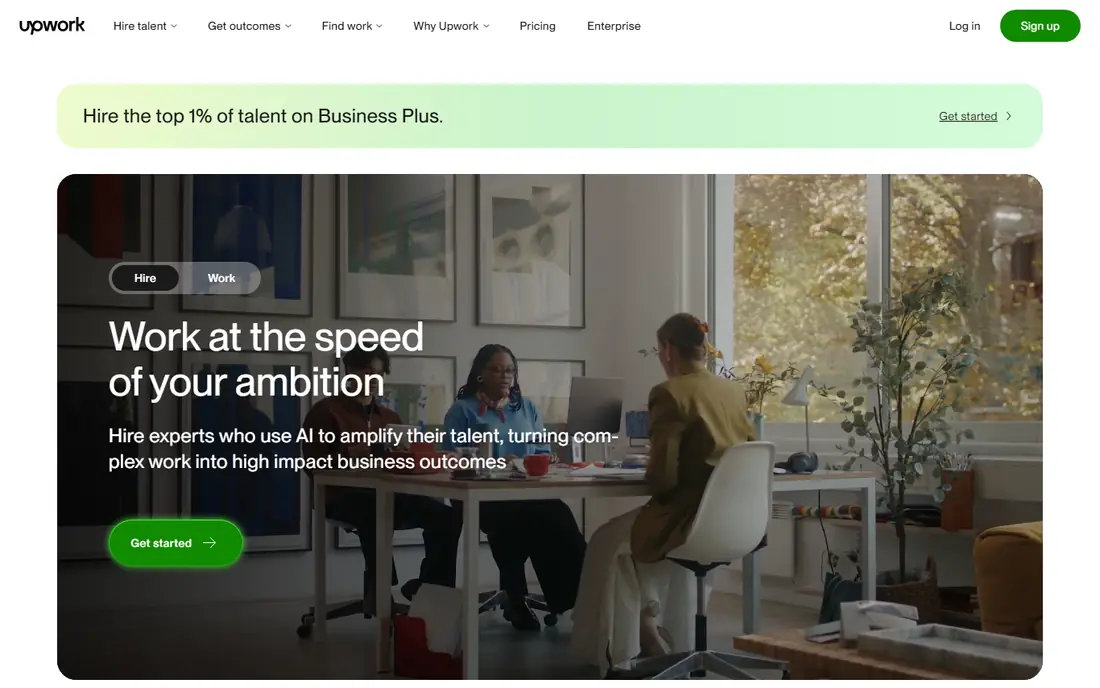
Upwork is the default starting point for most freelancers because it covers almost every category, from writing and design to development, marketing, and admin support. Clients post jobs, freelancers send proposals, and work can run as fixed-price or hourly contracts with payment protection. Long-term relationships are common, which helps freelancers who want steady clients rather than one-off gigs.
The cost side needs care. Upwork freelancer fees have moved to a variable range, reported as 0 to 15 percent per contract, with most freelancers paying around 10 percent in recent comparisons. Proposals also require Connects, which cost money, so applying widely without targeting wastes budget. Build a focused profile, apply only to well-matched jobs, and aim for repeat clients to make the fees worthwhile.
- Largest range of categories
- Escrow and hourly protection
- Long-term contracts common
- Freelancer service fees vary by contract
- Proposals cost Connects
- Competition is intense
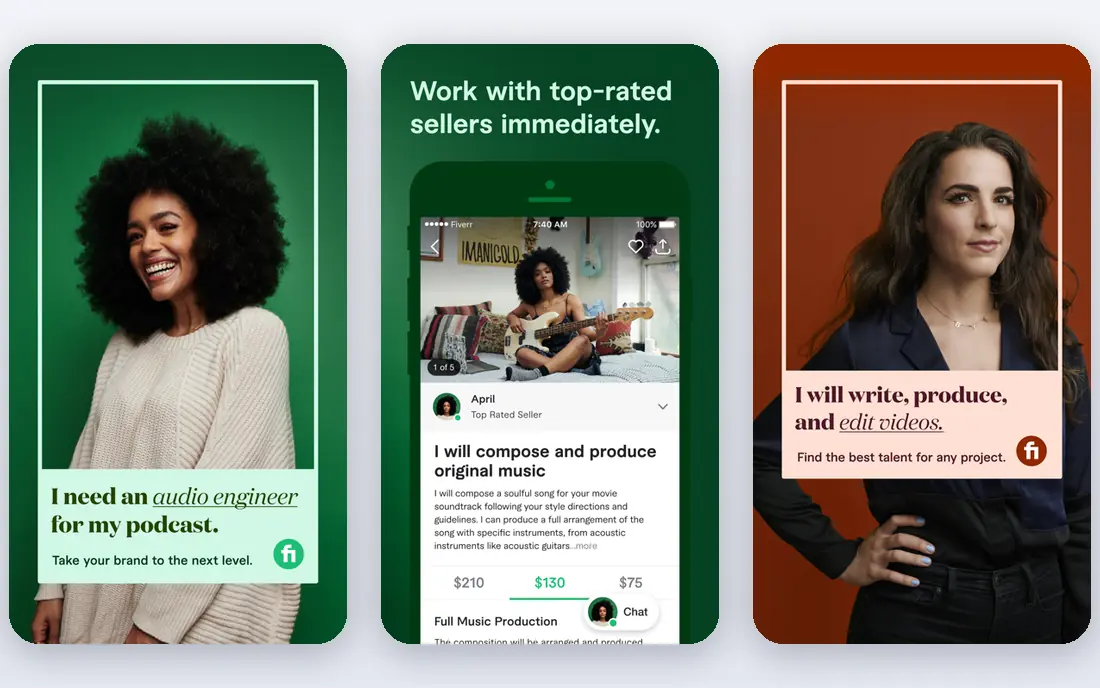
Fiverr flips the usual model. Instead of bidding on jobs, you list packaged services, called gigs, with set prices and delivery times, and buyers order them directly. That suits designers, video editors, writers, and marketers who can define a clear deliverable, such as a logo package, a social video, or a set of blog posts. Fiverr Pro adds a vetted tier for higher-priced work.
The flat 20 percent commission is the steepest in this list, and it applies to orders and tips. Low starting prices also attract bargain buyers, so new sellers often work cheaply to earn reviews. The fix is to package work with clear limits, price add-ons for speed or extra revisions, and move toward higher-value packages as reviews grow.
- No bidding for standard gigs
- Buyers come to you
- Clear package pricing
- Flat 20 percent commission
- Price pressure at the low end
- Revisions can eat time
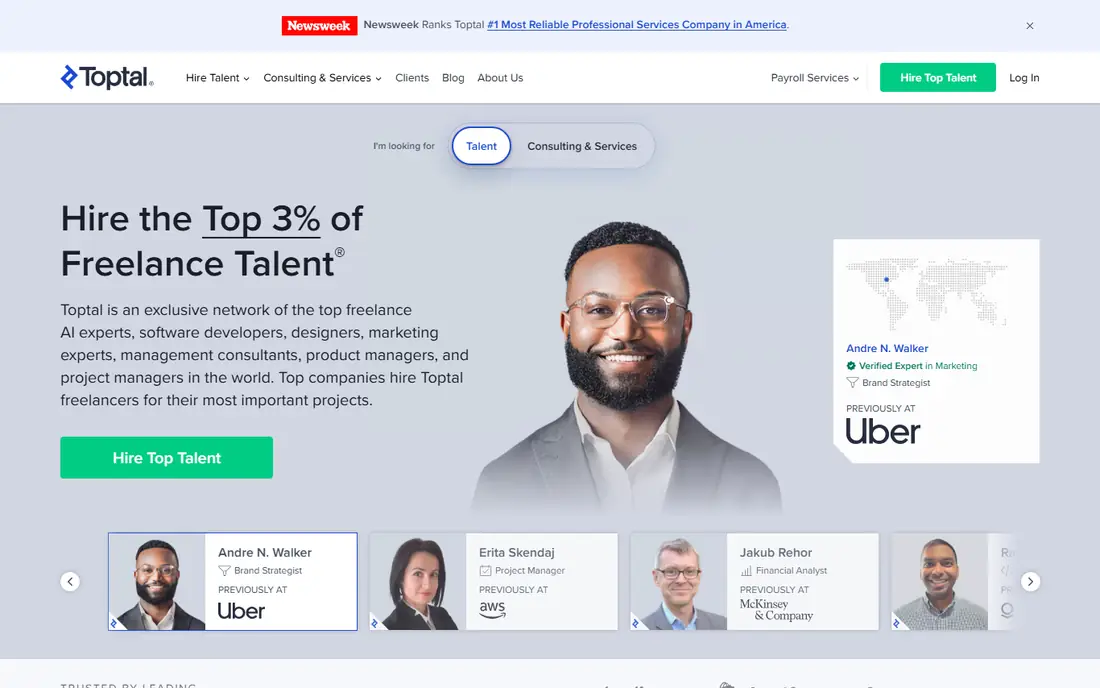
Toptal is not an open marketplace. Freelancers apply, pass screening for skill, communication, and past work, and then get matched with clients for development, design, finance, and related roles. For senior specialists, that vetting is the point: clients expect top-tier talent and pay accordingly, and freelancers spend less time chasing low-budget jobs.
The downside is access. Many applicants do not pass screening, and you cannot simply browse and bid on hundreds of jobs. Toptal also sets its model around client rates that include its margin, so your take-home rate is not the full client price. If you are early in your career, build experience elsewhere first. If you are senior and tired of bidding, Toptal is worth an application.
- Vetted network with high-value clients
- Managed matching
- Less time spent bidding
- Strict screening
- Less open job browsing
- Rates are set within the network model
Freelancer.com is one of the largest open marketplaces, with jobs across tech, design, writing, data entry, and more. Freelancers bid on projects, and clients can also run contests where several freelancers submit work and one wins the prize. Milestone payments with escrow add a layer of protection for fixed-price work.
Competition is the main problem. Many projects attract dozens of bids, and some buyers choose mainly on price. That makes Freelancer.com better for building a portfolio, winning smaller jobs, or finding work in categories where you can stand out on quality rather than price alone. Read project details closely, and avoid jobs with vague scopes and very low budgets.
- Huge job volume
- Contests for design and creative work
- Milestone escrow
- High competition and low bids
- Freelancer fee around 10 percent or a minimum charge
Guru has served freelancers for years with a focus on longer relationships and flexible agreements. Its SafePay system holds client funds in escrow for fixed-price work, and it supports hourly, fixed-price, recurring, and task-based agreements. That flexibility suits freelancers who want one client relationship to cover several kinds of work over time.
Job volume is lower than Upwork or Fiverr, so Guru works best as a second platform rather than your only source of work. Freelancer fees are tiered, so check the current brackets before you price a project. If you value clear payment terms and steady clients over sheer volume, Guru is a solid, low-drama option.
- SafePay escrow
- Flexible payment terms
- Tiered freelancer fees
- Smaller job volume than Upwork
- Interface feels dated to some users
PeoplePerHour is based in the United Kingdom and is strong for writers, marketers, designers, and developers serving UK and European clients. Freelancers can bid on projects or sell packaged services called Hourlies, which work like Fiverr gigs. Escrow protection covers payments once work terms are agreed.
Fees are tiered by earnings with each client, starting higher for new clients and falling as you earn more with that client. That rewards repeat work but makes first projects costly. If most of your clients are in the US, Upwork or Fiverr will offer more volume. If you serve UK or European clients, PeoplePerHour is a natural fit.
- Strong UK and European client base
- Hourlies for packaged work
- Escrow protection
- Tiered freelancer fees can start high for new clients
- Smaller US presence
Contra stands out on fees: freelancers pay zero percent commission, which is a large saving on big projects compared with a 20 percent marketplace cut. Profiles are built around portfolios, which suits designers, developers, and creators who win work on past output. Invoicing and payment tools help independents manage direct clients without a separate billing app.
The trade is job volume. Contra has a smaller built-in pool of posted jobs than Upwork, so many users bring their own clients to the platform rather than finding new ones there. Clients on the free plan may pay a per-payment fee, so check the current client pricing before you quote. Contra is best as a home base for direct clients, paired with a larger marketplace for discovery.
- Zero percent commission for freelancers
- Portfolio-first profiles
- Invoicing tools
- Smaller built-in job pool
- You often bring your own clients
- Client payment fees may apply
99designs is built for designers. Clients can run a contest, receiving many concepts and choosing a winner, or hire a designer directly for a one-to-one project. That focus means clients arrive with design budgets and a clear brief, which is better than general marketplaces where design is one category among many.
Contests carry a clear risk: you can do real work and earn nothing if another designer wins. Experienced designers often prefer direct projects or higher-value contests with fewer entrants. Platform fees also vary by level, with a new-client fee reported for some tiers, so read the current fee page before you enter contests at scale. For designers who like competitive creative work, it remains a useful, focused channel.
- Design-focused clients
- Contest and direct project options
- Escrow for contests
- Contest work can go unpaid if you do not win
- Platform fees vary by designer level
How we picked these
We compared official fee pages, platform documentation, and recent marketplace comparisons, focusing on job volume, fee structure, vetting, and payment protection. We included open marketplaces, vetted networks, and a zero-commission option, so freelancers and clients can compare different models rather than eight copies of the same model. Fees change, so confirm the current fee page before you price work.
How to choose a freelance platform
Start with where your clients already look. Generalists need volume, so Upwork or Fiverr makes sense as a first home. Specialists with strong portfolios may earn more on Toptal or through direct clients on Contra, even with less volume. Designers should test 99designs alongside a general platform, since design clients behave differently from general buyers.
Compare total cost, not just commission
A platform with no freelancer commission can still cost money through client payment fees, paid memberships, or proposal costs. Add up commission, payment processing, Connects or bids, and any subscription you need for full features. On a 1,000 dollar project, the gap between zero percent and 20 percent is 200 dollars, which is often larger than any monthly subscription.
Protect payment and scope
Use escrow or milestone payments for fixed-price work, and keep all scope changes in writing inside the platform. A clear brief, a delivery date, and a revision limit prevent the most common disputes. For hourly work, use the platform time tracker where offered, since it supports payment protection if a client questions hours.
Build a profile that earns repeat work
Clients hire on proof, not promises. Lead with three strong samples, a clear service list, and honest availability. Early on, smaller well-delivered projects build reviews faster than large risky ones. Once you have repeat clients, move them to the platform terms that cost you least, while keeping payment protection in place.
Sources
- https://www.upwork.com
- https://www.fiverr.com
- https://www.toptal.com
- https://www.freelancer.com
- https://www.guru.com
- https://www.peopleperhour.com
- https://www.contra.com
- https://www.99designs.com
- https://walletgrower.com/blog/best-freelance-platforms-2026
- https://www.jobbers.io/best-platforms-for-freelance-hiring-in-2025-2026-the-complete-guide-for-businesses-startups-and-solo-operators/
Frequently asked questions
What is the best freelance platform for beginners?
Upwork is usually best for beginners because it has the broadest job volume across categories. Fiverr is also good if you can package a clear service, since buyers come to you and you do not need to bid.
Which freelance platform has the lowest fees?
Contra charges freelancers zero percent commission, which is the lowest in this list. Upwork fees vary by contract, Fiverr charges a flat 20 percent, and Freelancer.com and PeoplePerHour use tiered fees, so check current rates before you choose.
Is Toptal worth applying to?
Toptal is worth applying to if you are a senior specialist with strong past work and client references. Screening is strict, so newer freelancers may find more traction on open platforms first.
How do freelance platforms protect payments?
Most use escrow for fixed-price work, holding client funds until milestones are approved, and time tracking for hourly work. Protection varies by platform and contract type, so read the payment terms for each project.
Can clients hire on these platforms too?
Yes. Clients can post jobs, buy packaged services, run design contests, or request vetted matches, depending on the platform. Client fees also vary, so clients should compare total cost, not just freelancer rates.