Best Gig Work Apps in 2026: 10 Apps Compared
By ToolNimba Editorial Team October 31, 2026 12 min read

- Top pick
 Uber
Rideshare drivers in busy cities
Starting priceFreeCheck out UberRead our review - Runner-up
 Lyft
Rideshare drivers who want a second option
Starting priceFreeCheck out LyftRead our review - Also great
 DoorDash
High-volume food and retail delivery
Starting priceFreeCheck out DoorDashRead our review
How we researched this
We compared official pricing and feature pages, app store listings, privacy policies and public user reviews. Prices change, so check the provider's site before you pay.
Key takeaways
- The highest hourly pay usually comes from skilled tasks and freelance work, not from the highest-volume delivery apps.
- Delivery and rideshare pay varies a lot by city, time of day, tips and vehicle costs, so gross pay is not take-home pay.
- A mix of one steady app and one skill-based app tends to give more stable income than relying on a single platform.
- Every app on this list is free to join as a worker, but most take a fee, a commission or a share of what a client pays.
- Check local rules, vehicle needs, background checks and tax duties before you sign up for any platform.
Quick comparison
| Name | Best for | Starting price | Free plan | |
|---|---|---|---|---|
| Uber | Rideshare drivers in busy cities | Free | Yes | Visit |
| Lyft | Rideshare drivers who want a second option | Free | Yes | Visit |
| DoorDash | High-volume food and retail delivery | Free | Yes | Visit |
 Uber Eats | Delivery in dense urban areas | Free | Yes | Visit |
 Instacart | Grocery shopping and delivery | Free | Yes | Visit |
 Amazon Flex | Scheduled package delivery blocks | Free | Yes | Visit |
 TaskRabbit | Skilled local tasks at your own rate | Free | Yes | Visit |
 Upwork | Professional freelance projects | Free | Yes | Visit |
 Fiverr | Selling defined freelance services | Free | Yes | Visit |
 Rover | Pet sitting and dog walking | Free | Yes | Visit |
The best gig work apps
Gig work covers very different jobs, from driving passengers to assembling furniture and writing code. We compared official sign-up pages, pay explanations, fee pages and public earnings data to put this list together. Use it to match the work to your vehicle, skills and schedule, not just to a headline pay figure.
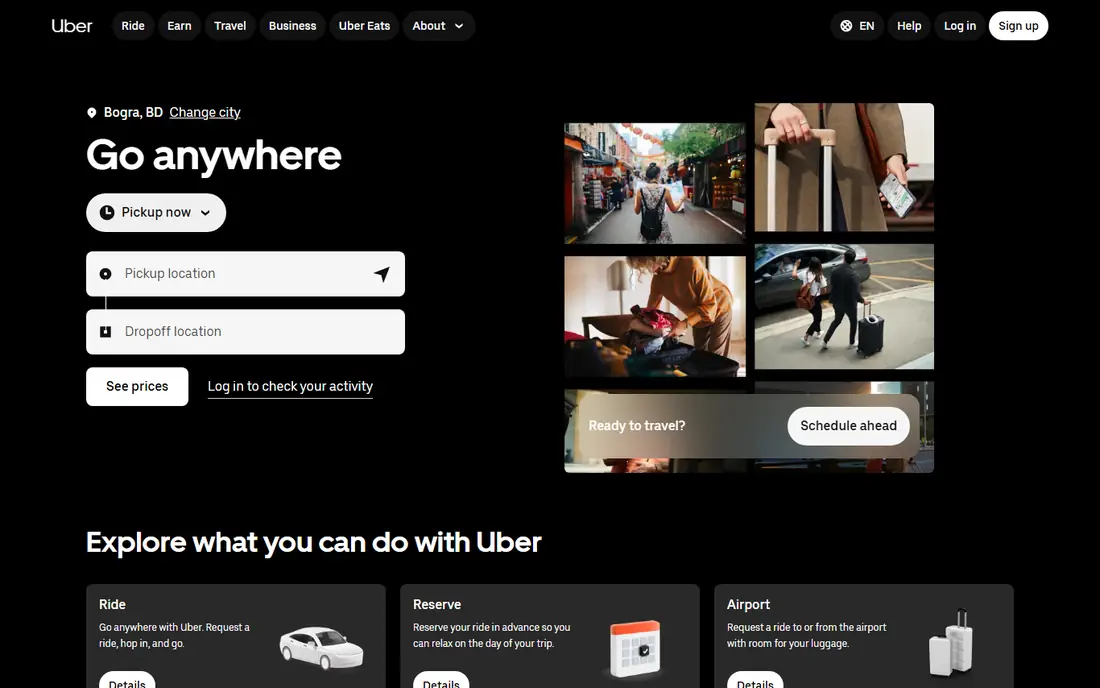
Uber is the largest rideshare name in the United States, and that scale is its main draw. Drivers can go online when they choose, accept trips in the app and see fare, distance and pickup details before they accept. Surge pricing and promotions can lift pay at busy times, and the app handles payment, so drivers do not chase cash from riders.
The catch is cost and control. Fuel, insurance, wear and taxes sit with the driver, and pay per trip can change with local rates and demand.
- Large rider demand in many cities
- Flexible hours
- In-app navigation and trip details
- Vehicle, fuel and maintenance costs come out of your pay
- Earnings swing with demand and local rules
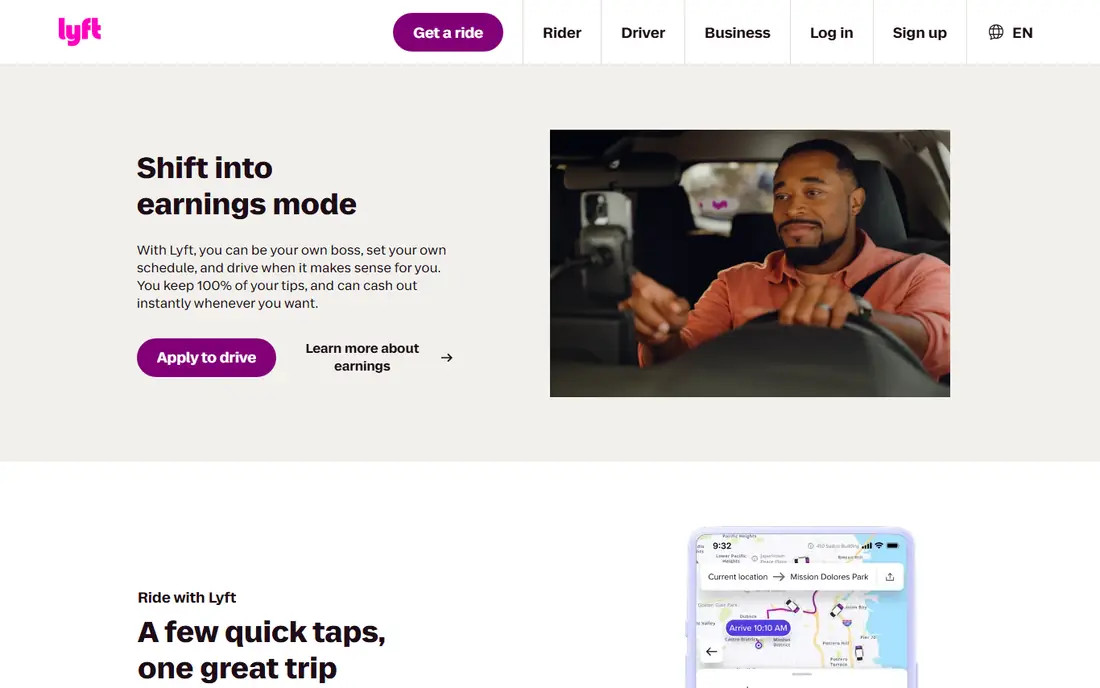
Lyft works in a similar way to Uber, with drivers accepting ride requests, following in-app navigation and getting paid through the app. For many drivers, its real value is as a backup. Running Lyft alongside another rideshare or delivery app can fill gaps when one platform goes quiet, and some drivers prefer its ride scheduling and rider interaction.
Lyft does not solve the core rideshare problem, which is that the driver pays to run the car. Earnings still depend on the city, the hours and the number of drivers online. If you already drive for Uber, adding Lyft is a low-cost way to compare which platform pays better on your own routes.
- A second source of ride requests
- Scheduled rides in some markets
- Tipping in the app
- Demand can be thinner than Uber in some cities
- The same vehicle costs apply
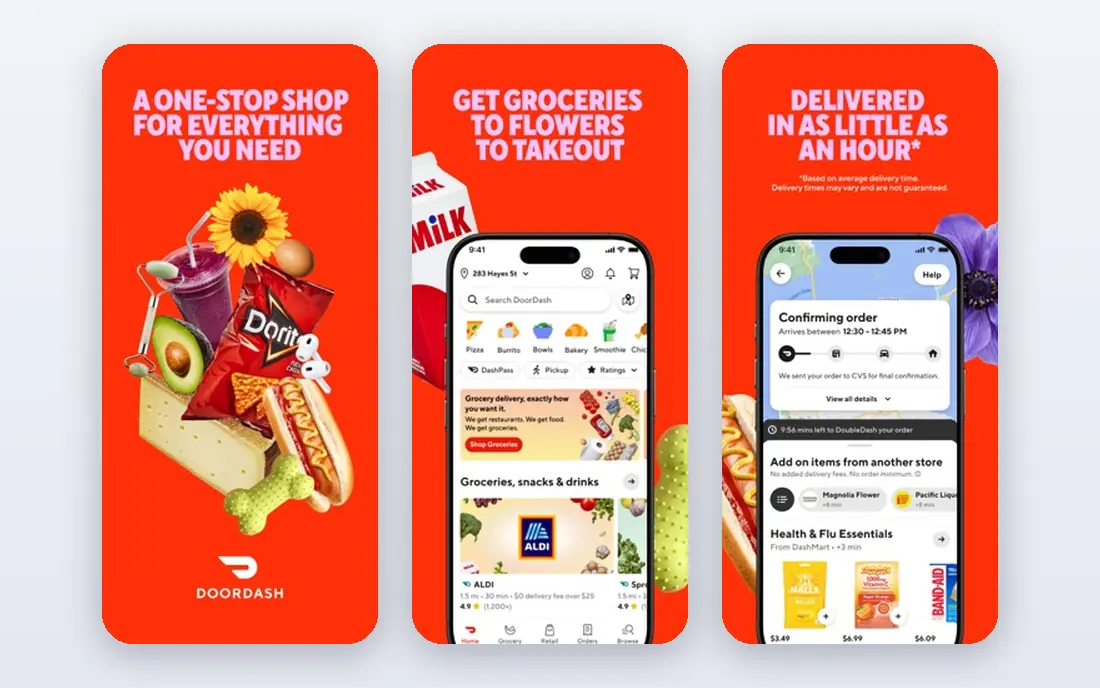
DoorDash is often the easiest delivery app to get steady orders on, because it covers restaurants, grocery stores and retail shops in a wide range of towns and cities. Dashers see the pay estimate, distance and pickup location for an offer and can decline orders that do not make sense. That volume matters for beginners who want to learn a delivery area without waiting long between jobs.
The trade-off is pay per order. Published driver data has put DoorDash below several rivals on median hourly pay, even though total order count is high. It suits drivers who can work peak meal times, stack orders sensibly and keep mileage low. If you drive a thirsty vehicle or travel far for small orders, the numbers can turn thin fast.
- A very large number of orders in many markets
- Delivery by car, scooter or bike in some areas
- Clear offer details before acceptance
- Lower average pay per order than some rivals in published driver data
- Tips vary a lot by order and area
Uber Eats uses the same driver app family as Uber rideshare in many markets, which makes it simple to switch between passengers and food. In dense areas, short trips and frequent orders can add up, and bonuses for completing a set number of deliveries can help on a good week. Cyclists and scooter riders in eligible cities avoid some car costs, which changes the maths in their favour.
The weakness shows up outside busy centres. Longer gaps between orders, longer drives and lower tips can cut hourly pay sharply. Uber Eats is a strong choice for city couriers who can work lunch and dinner peaks, and a weaker choice for drivers in spread-out areas where each delivery eats up miles.
- Strong demand in dense cities
- Bike and scooter delivery in some markets
- Quest-style bonuses in some areas
- Pay drops in quiet suburbs
- Waiting time at restaurants is unpaid in the same way as other delivery work
Instacart shoppers pick groceries, handle replacements when items are out of stock and deliver orders to customers. Full-service shoppers do the shopping and the delivery, while delivery-only shoppers in some markets pick up packed orders. The job suits people who are fast in a supermarket, comfortable with a phone app and happy to carry bags up stairs.
Pay is tied to batch size, item count, distance and tips, so a small order with many items can pay less per hour than a large, simple one. Shoppers who learn store layouts, check stock carefully and communicate well about replacements tend to get better ratings and tips. It is not a passive driving job, and that in-store effort is part of the price of the work.
- Larger baskets can mean larger tips
- Shoppers can choose full-service or delivery-only batches
- Work suits people who like shopping
- Time in store is a real cost
- Heavy or complex orders take longer
- Batch pay varies by size and distance
Amazon Flex drivers reserve delivery blocks, collect packages from a station and follow an app-planned route. For drivers who like a plan, that structure beats refreshing an app for the next order. There is no food to keep hot and no passenger to manage, and the work ends when the route is done or the block ends.
The catch is availability and route luck. In busy markets, blocks go fast, and a route with many stops, apartment buildings or rural drops can take longer than expected. Flex suits drivers with a reliable car and a flexible day who can grab blocks early, and it pairs well with an on-demand delivery app for days when no block is available.
- Delivery blocks are scheduled in advance
- Packages avoid restaurant waiting time
- Routes are set by the app
- Blocks can be hard to get in competitive markets
- Pay is per block, not per hour, so slow routes pay less per hour
TaskRabbit stands out because the worker sets the price. Taskers list skills such as furniture assembly, mounting, moving help, cleaning and yard work, then clients book them for a job. That control means a skilled, well-reviewed tasker can earn much more per hour than a delivery driver, and the work often feels more like running a small trade than doing gig shifts.
The downside is the slow start. New taskers have few reviews, and bookings can be patchy until a reputation builds. You also need your own tools for many categories and a way to get to jobs. For handy people, TaskRabbit is our pick for the highest ceiling on this list, but it works best as a growing side business rather than a guaranteed daily wage.
- Taskers set their own hourly rate
- Skilled work can pay far more than delivery
- Clients hire for furniture assembly, moving help and home tasks
- Work can be uneven, especially at the start
- You need tools, transport and good reviews to build demand
Upwork is a freelance marketplace where clients post jobs and freelancers bid with proposals. It covers a wide range of professional work, from software development and design to bookkeeping, writing and virtual assistance. The platform handles contracts, milestones and payment release, which lowers the risk of doing work and not getting paid compared with cold outreach.
Fees and competition are the honest costs. Upwork takes a percentage of freelancer earnings, with the rate falling as lifetime billings with a client grow. Winning early jobs takes careful proposals and a clear profile, and unpaid proposal time is part of the job. For skilled workers who want remote, project-based income, it remains one of the most credible places to start.
- Access to clients worldwide for writing, design, development and admin work
- Contracts and payment protection through the platform
- Long-term clients are possible
- Platform fees apply to earnings
- New freelancers face strong competition
- Proposals take unpaid time
Fiverr flips the Upwork model. Instead of bidding on client posts, sellers create service listings, called gigs, with a set scope and price. Buyers browse and order, which suits people who can define a repeatable offer, such as logo design, video editing, voice work or website fixes. Once a listing gains reviews, orders can arrive without daily proposal writing.
The early phase is the hard part. New sellers compete on price and must be strict about scope, or a simple job can grow into hours of unpaid revisions. Fees also take a share of each order. Fiverr is best for freelancers with a clear, repeatable service and the discipline to price revisions and extras properly.
- Sellers package services with clear prices
- Buyers come to you once a listing ranks
- Good for creative and digital services
- Platform fees apply
- Early sellers often need low prices to win reviews
- Custom work can creep beyond the listed package
Rover connects pet owners with sitters and walkers for boarding, house sitting, drop-in visits and dog walks. Sitters set their own rates, describe their home and experience, and build a profile from owner reviews. For people who already love animals and have a pet-friendly home or flexible days, it can turn a hobby into paid work.
The fee is the main cost to weigh. Rover takes a percentage of each booking, and sitters still handle the hands-on work, key handling and communication with owners. Cancellations, anxious pets and holiday peaks also shape the job. Rover is not a fit for everyone, but for reliable animal lovers in pet-dense areas, repeat clients make it one of the more pleasant gig options on this list.
- Set your own rates for sitting, boarding and walking
- Work suits animal lovers
- Repeat clients can build steady income
- Rover takes a service fee from bookings
- Pet care carries responsibility and schedule limits
- Demand varies by area
How we picked these
We compared official sign-up and pay pages, fee explanations and recent driver and freelancer earnings coverage, and we favoured platforms that are open to new workers in the United States, have a clear way to get paid and cover different kinds of work. We left out apps that are closed, invite-only or limited to a single small city, because they would not help most readers. Pay figures vary by market, so we describe pay models and the costs that affect them rather than promising a fixed hourly rate.
What to check before you pick a gig app
Match the app to what you already own
A car, a bike, tools, a pet-friendly home or a professional skill changes which app makes sense. Driving apps need a qualifying vehicle and insurance, TaskRabbit needs tools and transport, and freelance platforms need a portfolio or samples. Starting with what you already have keeps upfront costs low.
Work out your real hourly pay
Track miles, fuel, fees, taxes and unpaid waiting time for a few weeks. A platform that looks strong on gross pay can look much weaker after vehicle costs, and a slower app with shorter trips can win on net pay. Set aside money for taxes, because gig platforms usually do not withhold income tax for independent workers.
Read the fee and rating rules
Each platform has its own fee, cancellation and rating system, and a low rating or a deactivation can cut off income quickly. Read the terms on fees, payment timing and disputes before you depend on one app for rent or bills. Keeping two active platforms gives you a fallback if one changes its pay or pauses your account.
Sources
- https://www.uber.com
- https://www.lyft.com
- https://www.doordash.com
- https://www.ubereats.com
- https://www.instacart.com
- https://flex.amazon.com
- https://www.taskrabbit.com
- https://www.upwork.com
- https://www.fiverr.com
- https://www.rover.com
- https://hustleandpassive.com/best-gig-economy-jobs-that-pay-instantly/
- https://gigworkermoney.com/best-delivery-gig-apps-pay-2026-doordash-uber-eats-spark/