Best Keyword Ranking Tool in 2026: 9 Tools Compared
By ToolNimba Editorial Team October 29, 2026 11 min read

- Top pick
 Ahrefs
Full SEO research plus tracking
Starting price$29 per monthCheck out AhrefsRead our review - Runner-up
 Semrush
Teams using a full SEO suite
Starting price$139 per monthCheck out SemrushRead our review - Also great
 SE Ranking
Daily tracking at a fair price
Starting price$129 per monthCheck out SE RankingRead our review
How we researched this
We compared official pricing and feature pages, app store listings, privacy policies and public user reviews. Prices change, so check the provider's site before you pay.
Key takeaways
- Daily tracking matters more than a large keyword allowance if you react to drops, migrations, or algorithm updates during the week.
- Suites such as Ahrefs and Semrush make sense when you already pay for research, audits, and backlinks, while dedicated trackers often cost less per keyword.
- Count keywords the way the vendor counts them, since devices, locations, and search engines can turn one phrase into several tracked units.
- A free tier or trial is useful for checking accuracy on your own keywords before you commit to a monthly plan.
Quick comparison
| Name | Best for | Starting price | Free plan | |
|---|---|---|---|---|
| Ahrefs | Full SEO research plus tracking | $29 per month | Yes | Visit |
| Semrush | Teams using a full SEO suite | $139 per month | Yes | Visit |
| SE Ranking | Daily tracking at a fair price | $129 per month | Free trial | Visit |
 AccuRanker | Fast, high-volume tracking | $249 per month | Free trial | Visit |
 Wincher | Simple daily tracking | $49 per month | Free trial | Visit |
 Mangools | Beginners and small sites | $49 per month | Free trial | Visit |
 Nightwatch | Local and AI search tracking | See website | Free trial | Visit |
 ProRankTracker | Polished client reports | $99 per month | Yes | Visit |
 Advanced Web Ranking | Large international tracking | $139 per month | Free trial | Visit |
The best keyword ranking tools
A good tracker answers a plain question: where did this page rank yesterday, where does it rank today, and what changed in between. The tools below differ in update speed, keyword counting, local detail, and how much extra SEO work they include.
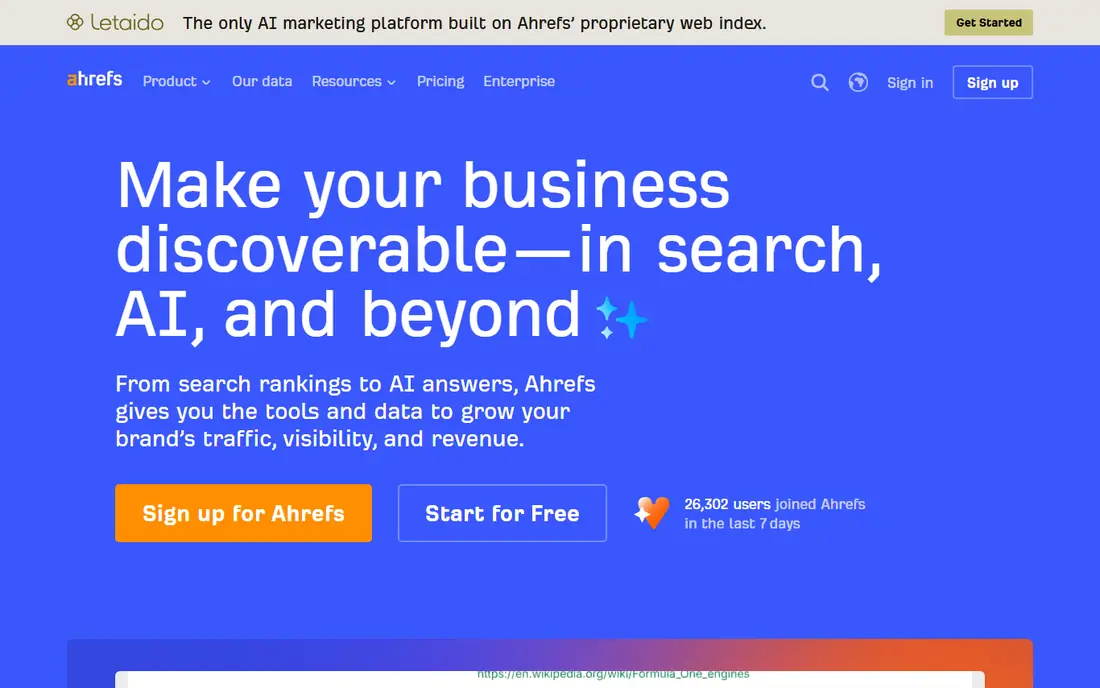
Ahrefs suits a team that already needs Site Explorer, Keywords Explorer, and Site Audit, because Rank Tracker then arrives as part of the same subscription. Its Starter plan costs $29 per month and includes 50 tracked keywords, while Lite at $129 per month raises that allowance to 750 keywords. That structure works well for research-led work, where ranking data is one input among backlinks, content gaps, and technical issues.
The catch is frequency and cost per keyword if tracking is your main job. Weekly updates can feel slow after a site change or a search update, and moving to higher tiers to gain keyword headroom quickly raises the bill. If you track a short list and use the rest of the suite every week, Ahrefs is a strong pick. If you only need positions, a dedicated tracker may give you daily data for less.
- Very large backlink and keyword databases
- Rank Tracker sits inside a full research suite
- Free tools cover verified sites
- Starter covers only 50 tracked keywords
- Rank Tracker updates weekly by default on lower plans
- Extra seats add cost
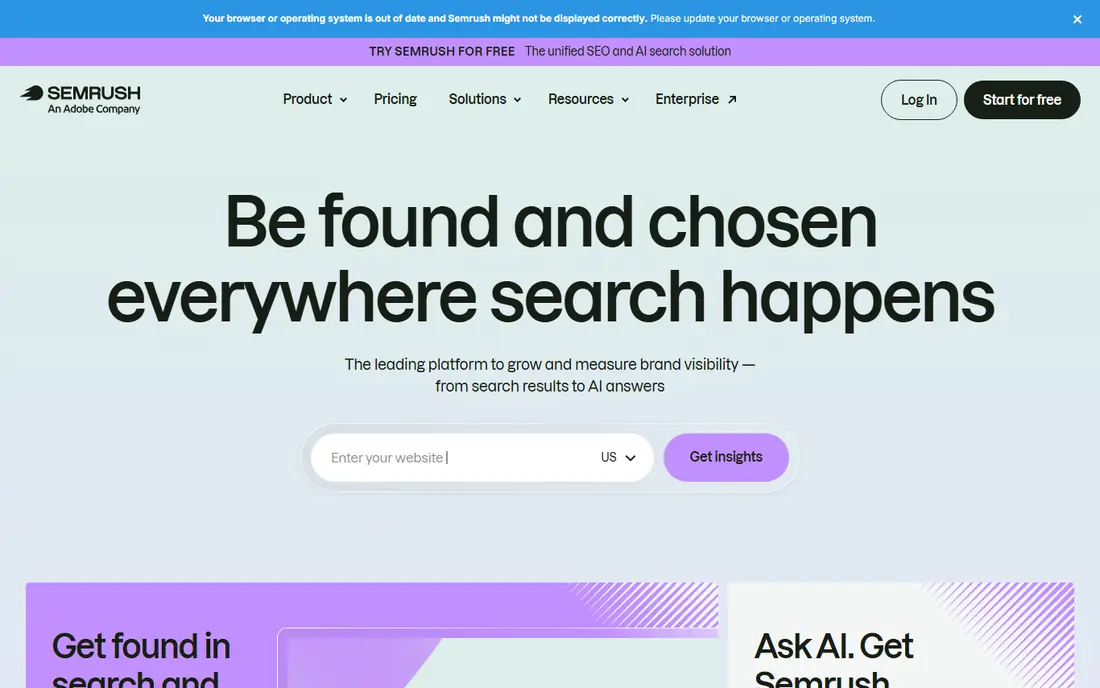
Semrush fits teams that want rank tracking inside a wider marketing platform rather than as a standalone purchase. Its SEO plan starts at $139 per month and includes 500 keywords tracked daily, along with keyword research, site audits, backlink tools, and content tools. That breadth helps when one person handles research, reporting, and competitor checks in the same week.
The trade-off is that you pay suite prices even if you only open the tracker. Keyword allowances rise only when you move to a higher tier, so a growing list can push you into Pro+ or Advanced pricing. Semrush is our pick for most people who already need a full suite. It is less convincing as a tracking-only purchase, where a focused tool often tracks more keywords for a similar price.
- Daily position tracking
- Very broad toolkit covering SEO, ads, and content
- Competitor tracking included
- Entry plan covers 500 daily tracked keywords
- The interface can feel crowded for new users
- Higher tiers cost much more
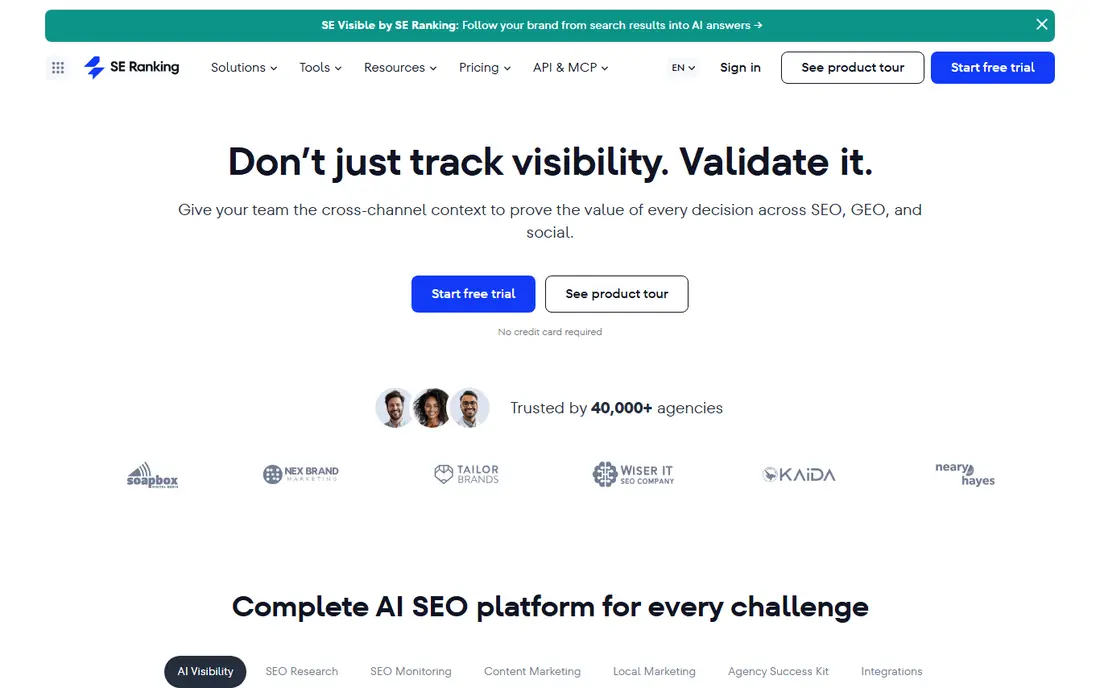
SE Ranking has become a popular middle ground between a full suite and a bare tracker. Core costs $129 per month and tracks 2,000 keywords daily, which is generous compared with the entry plans of larger suites. It also includes site audits, keyword research, backlink checks, and reporting, so a small agency can run most client work from one account.
The honest catch is add-on pricing. White-label reporting and AI search tracking can sit outside the base plan, so the final bill depends on what you add. Still, for daily data at volume, SE Ranking offers one of the clearest value cases in this list. Start with the 14-day trial and load your real keyword list, since the per-keyword cost only looks good when you actually use the allowance.
- Daily tracking on all plans
- 2,000 keywords on the Core plan
- White-label reporting options for agencies
- Annual billing gives the lowest monthly rate
- AI search features cost extra as an add-on
- The interface packs in many features
AccuRanker focuses on one job and does it with speed. Its Professional plan starts at $249 per month for 2,000 keywords, with daily updates and on-demand refreshes when you need a position checked right away. Unlimited users is a real advantage for a team, since many suites charge per seat and that cost adds up fast.
The price is the main barrier. A small business tracking 100 keywords will pay for capacity it never uses, and it still needs a separate tool for audits or backlinks. For agencies and larger in-house teams where ranking data drives client reports, the speed and reporting depth can justify the cost. For everyone else, AccuRanker is best viewed as a premium specialist rather than a first purchase.
- Daily updates plus on-demand refreshes
- Unlimited users on every plan
- Strong share of voice and SERP feature reporting
- High entry price for small lists
- No audit, backlink, or content suite included
- API depth sits on higher tiers
Wincher appeals to site owners who want a tracker that stays out of the way. Basic costs $49 per month for 500 keywords updated daily, across up to 10 websites. The setup is quick, the reports are easy to read, and you do not pay for a large suite you will never open.
Its limits show up as soon as a team grows. One seat on Basic means only one person gets full access, and API access, white-label reports, and manual refreshes require a higher plan. Wincher is a good fit for a freelancer or a small business with a focused keyword list. It is not the right base for an agency that needs deep reporting and many users.
- Daily updates
- Easy setup for small sites
- Tracks across many websites on the entry plan
- No keyword research, backlink, or audit suite
- Only one seat on the Basic plan
- Advanced features sit on higher tiers
Mangools bundles KWFinder, SERPChecker, SERPWatcher, LinkMiner, and SiteProfiler into one subscription, which makes it a gentle first step into SEO tools. Basic costs $49 per month and includes 200 tracked keywords, alongside keyword research and SERP analysis. For a blogger or a small site owner, that combination covers the basics without a steep learning curve.
Weekly updates are the key limit to understand before buying. Daily tracking requires the Agency plan, so Mangools suits trend watching over months rather than rapid response after a change. If you check rankings once a week and value a clean interface, it is a strong budget pick. If you need daily data, compare Wincher or SE Ranking first.
- Very friendly interface
- Five SEO tools in one subscription
- Low entry price for a suite
- Basic and Premium plans update weekly, not daily
- Keyword limits are modest
- Audits are basic
Nightwatch stands out for teams that care about local precision and AI answers in the same dashboard. It tracks rankings daily across Google, Bing, YouTube, and other engines, and it also monitors brand mentions in ChatGPT, Claude, Gemini, Perplexity, and Google AI Overviews. That pairing matters now, since a business can lose visibility in AI answers even while classic rankings hold steady.
Pricing in euros is a practical drawback for US buyers, because the amount on a card can shift from month to month. The tool is also a tracker first, so deep audits and content work still need another product. For local agencies and multi-location brands, the postcode detail and unlimited seats make Nightwatch worth a trial. For a single site with a short list, a cheaper tracker may cover the same ground.
- Daily tracking down to postcode level
- AI search visibility tracking included
- Unlimited seats on paid plans
- Prices are shown in euros, so US charges vary with exchange rates
- Site audit features are thin
- API access sits on higher tiers
ProRankTracker earns its place through reporting. Starter costs $99 per month for 1,000 terms, and its white-label reports, client portal, and Looker Studio connection look professional when clients read them directly. Local detail is strong, with desktop, mobile, and Map Pack tracking kept separate.
Term counting is the part to model before you buy. One keyword tracked on desktop and mobile in two locations can consume several terms, and AI prompt tracking uses two terms each. That means a headline allowance can shrink quickly. If client-facing reports are your main deliverable, the polish may justify the premium. If budget is the priority, check how many terms your real setup uses during the trial.
- Detailed white-label reports and a client portal
- Local tracking down to ZIP level
- Tracks Google, Bing, YouTube, and Map Pack
- Term-based pricing can multiply costs fast
- No keyword research or backlink tools
- Higher cost per keyword than some rivals
Advanced Web Ranking, often shortened to AWR, suits agencies tracking thousands of keywords across countries, languages, and engines. Its Pro plan starts at $139 per month with a large weekly unit allowance, and daily or on-demand updates are available depending on configuration. Unlimited users and projects remove the seat-count worry that affects many suites.
The downside is polish and learning time. The interface is functional rather than pretty, and building the exact report a client wants can take practice. AWR is not a research suite, so keyword discovery and backlink work still need another tool. For high-volume, international tracking, however, its capacity per dollar is hard to ignore.
- Large keyword allowances
- Unlimited users and projects
- Tracks many search engines and locations
- Interface feels dated next to newer trackers
- Reporting setup takes time to learn
- No full SEO research suite
How we picked these
We compared official feature pages, pricing pages, and app store listings, plus public reviews, and we focused on what a buyer can verify before paying: update frequency, keyword or term allowances, local and device splits, reporting options, and free trials. We left out tools that only offer a rank checker as a side feature with no clear tracking plan, and we favored tools that still work for US buyers in 2026. We did not claim hands-on testing, and prices can change, so check the vendor pricing page at checkout.
What to check before you pay
Start by listing every keyword, device, location, and competitor you actually need to track, then translate that list into each vendor's billing unit. A tool that looks cheap for 500 keywords can turn expensive once mobile and local variants are counted. Next, decide how fast you need updates. Daily tracking helps after launches and updates, while weekly tracking is fine for long-term trend reports.
Also check who will read the reports. If clients see them, white-label output and a client portal matter more than raw data depth. If only your team sees them, exports and integrations may matter more. Finally, use the trial to spot-check a handful of keywords against Google Search Console and a manual search, since two trackers can disagree by a place or two on the same day.