Best Rank Checking Tool in 2026: 8 Tools Compared
By ToolNimba Editorial Team October 29, 2026 8 min read

- Top pick
 SE Ranking
Best overall value
Starting price$129 per monthCheck out SE RankingRead our review - Runner-up
 AccuRanker
Large agencies and on-demand data
Starting price$249 per monthCheck out AccuRankerRead our review - Also great
 Semrush
Full suite plus rank tracking
Starting price$139 per monthCheck out SemrushRead our review
How we researched this
We compared official pricing and feature pages, app store listings, privacy policies and public user reviews. Prices change, so check the provider's site before you pay.
Key takeaways
- SE Ranking is the best rank checking tool for most teams, with daily tracking for a large keyword set at a mid-range price.
- AccuRanker is the pick for agencies that need fast, on-demand refreshes and large keyword sets, but it costs more.
- Google Search Console remains the best free baseline, even though it reports averages with a delay rather than daily ranks.
- The true price depends on how a tool counts keywords, locations, and devices, not only on the headline monthly figure.
- Weekly tracking suits small sites, while daily tracking matters more for competitive terms and client reporting.
Quick comparison
| Name | Best for | Starting price | Free plan | |
|---|---|---|---|---|
| SE Ranking | Best overall value | $129 per month | Free trial (14 days) | Visit |
| AccuRanker | Large agencies and on-demand data | $249 per month | Free trial (14 days) | Visit |
| Semrush | Full suite plus rank tracking | $139 per month | Free trial (7 days) | Visit |
 Ahrefs | Backlink-led teams | $129 per month | Yes | Visit |
 Wincher | Simple tracking for small teams | $49 per month | Free trial (14 days) | Visit |
 Mangools SERPWatcher | Cheapest paid tracking | $49 per month | Free trial (10 days) | Visit |
 Nightwatch | Unlimited seats and AI tracking | See website | Free trial (14 days) | Visit |
 ProRankTracker | Detailed client reports | $99 per month | Free trial | Visit |
The best rank checking tools
Rank checking tools track where your pages appear in search results for chosen keywords, by location and device. The tools below differ on keyword limits, update speed, and whether they also cover audits, backlinks, or AI search. Prices are monthly prices unless noted, and they change often.
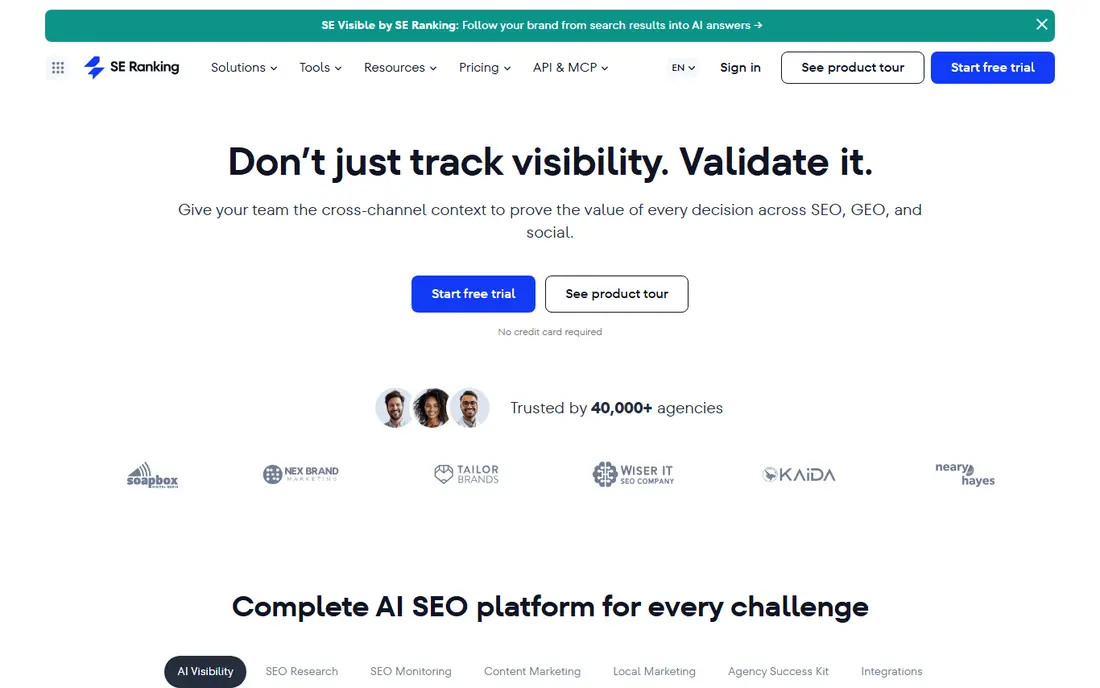
SE Ranking wins for most teams because it pairs daily rank tracking with audits and keyword research in one subscription. You do not need a separate suite to check technical issues or find new terms. White-label reporting also helps freelancers and small agencies present results to clients.
The catch is scale. If you track only 50 keywords, a cheaper focused tracker may cost less. Location and device combinations also count toward limits on many trackers, so map your real keyword list before comparing headline prices. For a growing site, SE Ranking still offers the best balance.
- Daily tracking for a large keyword set
- Audits and research in the same plan
- White-label reports
- Entry plan is not the cheapest for a tiny keyword list
- Keyword counting by location can raise the real cost
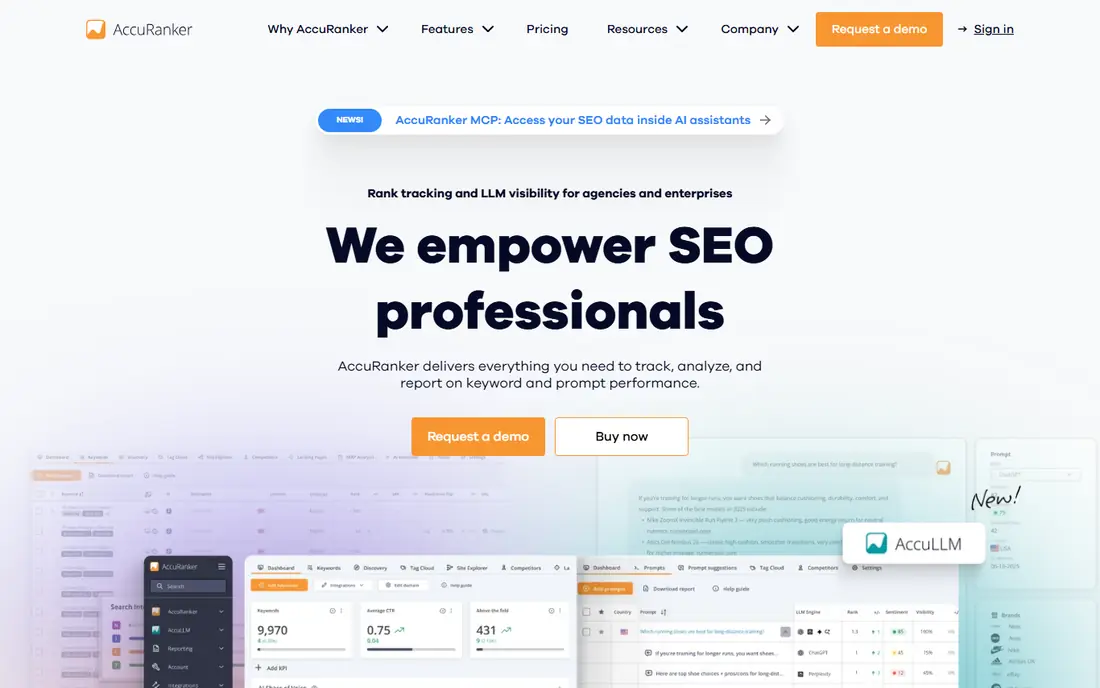
AccuRanker is built for teams where fresh data matters. On-demand refreshes let an agency check a ranking right after a change, instead of waiting for the next daily update. Tagging, segmentation, and API access help large teams slice thousands of keywords into useful reports.
That power costs more than most small sites need. The entry tier starts at a high monthly price and assumes a large keyword set. Solo owners and small blogs will get similar insight for less elsewhere. Agencies that live on rank data will find the speed worth it.
- Fast on-demand refreshes
- Daily accuracy at scale
- Strong tagging and API access
- High entry price
- Minimum keyword tiers suit agencies more than solo sites
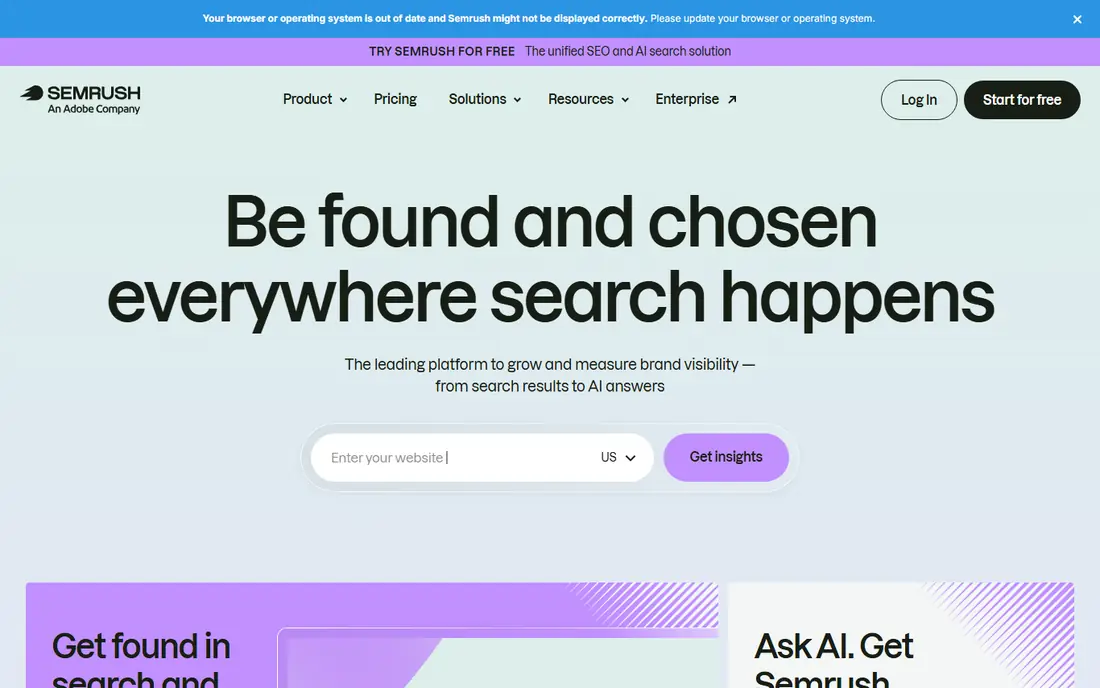
Semrush suits teams already using it for research, audits, or content. Position Tracking updates daily, and you can view rankings alongside competitor moves and site health in one dashboard. That context helps explain why a ranking changed, not only that it did.
If you only need rank tracking, the suite price is hard to justify. The free account covers only a small project and a handful of keywords. Pick Semrush when the suite earns its keep across several jobs, not for tracking alone.
- Position Tracking with daily updates
- Huge keyword database
- Audits and competitor tools included
- Rank tracking is part of a broad suite, so you pay for tools you may not use
- Limited free account is small
Ahrefs makes sense when backlinks and research drive your SEO work. Rank Tracker sits next to Site Explorer and Site Audit, so you can connect a ranking drop to a lost link or a technical issue. Verified site owners also get free Webmaster Tools access for basic audits.
Rank tracking alone is not its cheapest path. The Starter tier tracks fewer keywords, and Lite costs more. Teams that already pay for Ahrefs for links get tracking as a useful bonus. Teams that only track ranks should compare SE Ranking or Wincher first.
- Rank Tracker plus strong backlink data
- Free tools for verified sites
- Large keyword database
- Lite plan tracking is weekly on some setups
- Full tracking depth costs more than Starter
Wincher appeals to site owners who want rank data without suite bloat. Setup is quick, reports are easy to read, and the Basic plan covers 500 keywords across several websites. For a small agency or a blogger with a few sites, that simplicity is a real advantage.
It lacks the audit and research depth of larger suites, so you may still need another tool for technical fixes. AI search tracking is also less central here than in Nightwatch or AccuRanker. If simple, reliable daily tracking is the job, Wincher does it well.
- Simple setup and clear reports
- 500 keywords on the Basic plan
- Tracks many websites
- Fewer suite features than SE Ranking or Semrush
- AI search tracking is limited
Mangools SERPWatcher is the lowest-friction paid tracker for beginners. It shows ranking changes in a clean timeline, and it comes with keyword research and other Mangools tools. For a solopreneur tracking a few hundred keywords, the price and simplicity fit well.
Weekly updates on lower plans are the main limit. If you need to spot a drop the same day, a daily tracker is better. Keyword limits are also smaller, so growing sites may outgrow Basic faster than expected. For a small, steady site, it is a good value.
- Low monthly price
- Easy daily and weekly views
- Part of a beginner-friendly SEO suite
- Lower plans update weekly rather than daily
- Keyword limits are smaller than SE Ranking
Nightwatch stands out for teams. Unlimited seats mean a whole team can view reports without per-user fees, which changes the cost math for agencies. AI search tracking is included across tiers, and local tracking is strong for businesses that serve specific cities.
Pricing needs a careful check, because amounts vary by plan and currency on different pages. Entry keyword limits are also modest compared with SE Ranking. If your team is large and AI visibility matters, Nightwatch is worth a trial. If you track alone, a cheaper tracker may do.
- Unlimited seats on plans
- AI search tracking included
- Strong local tracking
- Pricing varies and is shown in euros on some pages
- Entry keyword limits are modest
ProRankTracker suits agencies and consultants who send ranking reports to clients. It tracks local results in detail, supports mobile and desktop views, and produces reports clients can understand without SEO training. Alerts help agencies catch drops early.
The entry price is higher than simpler trackers, and the interface is less modern than some rivals. Solo site owners may not need its reporting depth. For client-facing work, where the report itself is part of the service, ProRankTracker earns its place.
- Detailed local and mobile tracking
- Polished client reports
- API access for agencies
- Higher entry price than Wincher or Mangools
- Interface feels dated to some users
How we picked these
We compared official pricing pages, keyword limits, update frequency, and reporting features for rank trackers that work in 2026. We kept only tools with real daily or weekly tracking, location and device options, and a usable trial or free tier. We did not claim hands-on testing. Prices and limits change often, so check the vendor page and count your keywords, locations, and devices before you buy.
How to choose the right rank tracker
Start by counting what you will track. List your keywords, then multiply by locations and devices if the tool counts those separately. A 200-keyword list can become 800 tracked units across two locations and two devices, which changes the plan you need.
Next, pick an update frequency that matches your decisions. Daily tracking suits competitive terms, client work, and sites that change often. Weekly tracking suits a stable small site where you check trends monthly. Paying for daily data you never act on wastes money.
Finally, test two tools on the same keyword list for a month. Compare positions, ease of reporting, and alert quality under identical location and device settings. Small differences in sampling are normal, but the tool your team actually opens each week is the one to keep.