Best SEO Ranking Tool in 2026: 9 Tools Compared
By ToolNimba Editorial Team October 29, 2026 9 min read

- Top pick
 Semrush
All-in-one ranking and research
Starting price$139.95 per monthCheck out SemrushRead our review - Runner-up
 Ahrefs
Backlinks plus rank tracking
Starting price$129 per monthCheck out AhrefsRead our review - Also great
 Moz Pro
Beginners and small teams
Starting price$99 per monthCheck out Moz ProRead our review
How we researched this
We compared official pricing and feature pages, app store listings, privacy policies and public user reviews. Prices change, so check the provider's site before you pay.
Key takeaways
- Semrush is our pick for most teams that want research, audits and rank tracking in one login, despite its higher entry price.
- Ahrefs suits link-focused teams, while Moz offers the gentlest learning curve for small businesses.
- SE Ranking and Nightwatch give agencies strong keyword value per dollar, especially when reports go to clients.
- Google Search Console is free and should run alongside any paid tracker, since it shows real impressions and clicks from Google itself.
Quick comparison
| Name | Best for | Starting price | Free plan | |
|---|---|---|---|---|
| Semrush | All-in-one ranking and research | $139.95 per month | No | Visit |
| Ahrefs | Backlinks plus rank tracking | $129 per month | Yes | Visit |
| Moz Pro | Beginners and small teams | $99 per month | No | Visit |
 SE Ranking | Keyword value for agencies | $103.20 per month | No | Visit |
 AccuRanker | Large daily keyword sets | $224 per month | No | Visit |
 Serpstat | SEO and PPC in one suite | $69 per month | Yes | Visit |
 Nightwatch | Daily tracking with AI prompts | $79 per month | No | Visit |
 Google Search Console | Free baseline data | Free | Yes | Visit |
 Wincher | Simple daily tracking | See website | No | Visit |
The best seo ranking tools
A ranking tool should tell you where you stand, how that changed, and which pages and competitors moved with you. These nine cover free basics, focused trackers and full suites, so the right pick depends on keyword volume and budget.
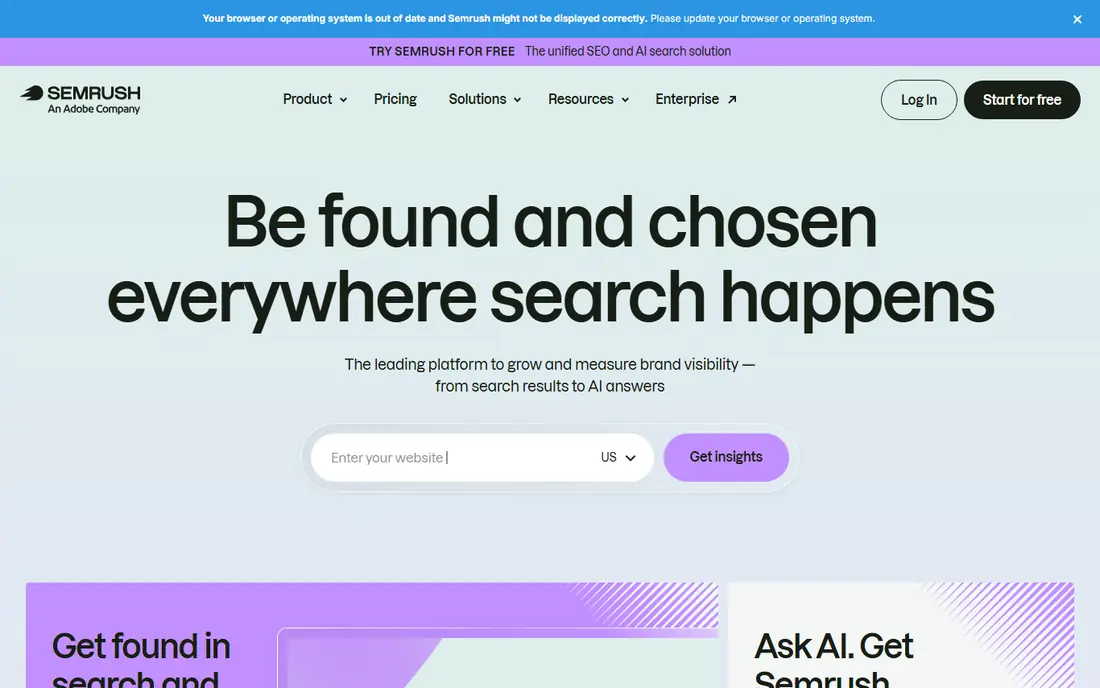
Semrush tracks 500 keywords on its SEO plan with daily updates, and it pairs those rankings with keyword research, site audits and competitor data. That combination means a ranking drop can be investigated in the same tool, whether the cause is a lost link, a technical fault or a competitor gaining ground. Local and mobile tracking add detail for businesses that serve specific areas.
The price is the main barrier. At $139.95 per month, Semrush costs more than a focused tracker, and teams pay extra for additional seats. It is worth it when one subscription replaces two or three separate tools, but a site that only needs rank checks should look further down this list.
- Daily rank tracking
- Huge keyword database
- Audits, backlinks and content tools in one login
- Entry price is high for a solo site
- Extra users cost extra

Ahrefs Lite tracks 750 keywords, and its real strength is the data around those rankings. When a page moves, Ahrefs can show which links it gained or lost and which competitor pages moved in the opposite direction. That context turns a ranking report into a diagnosis, which is why link-building teams tend to stay with Ahrefs.
Weekly default updates are the honest drawback. Daily refreshes are available as an add-on, which adds cost, so teams that need same-day alerts should price that in. A free Webmaster Tools account still gives site owners useful audit and backlink data without a paid plan.
- Outstanding backlink index
- Rank tracker covers many locations
- Free Webmaster Tools for site owners
- Rank updates are weekly by default
- Lite plan keyword allowance is modest
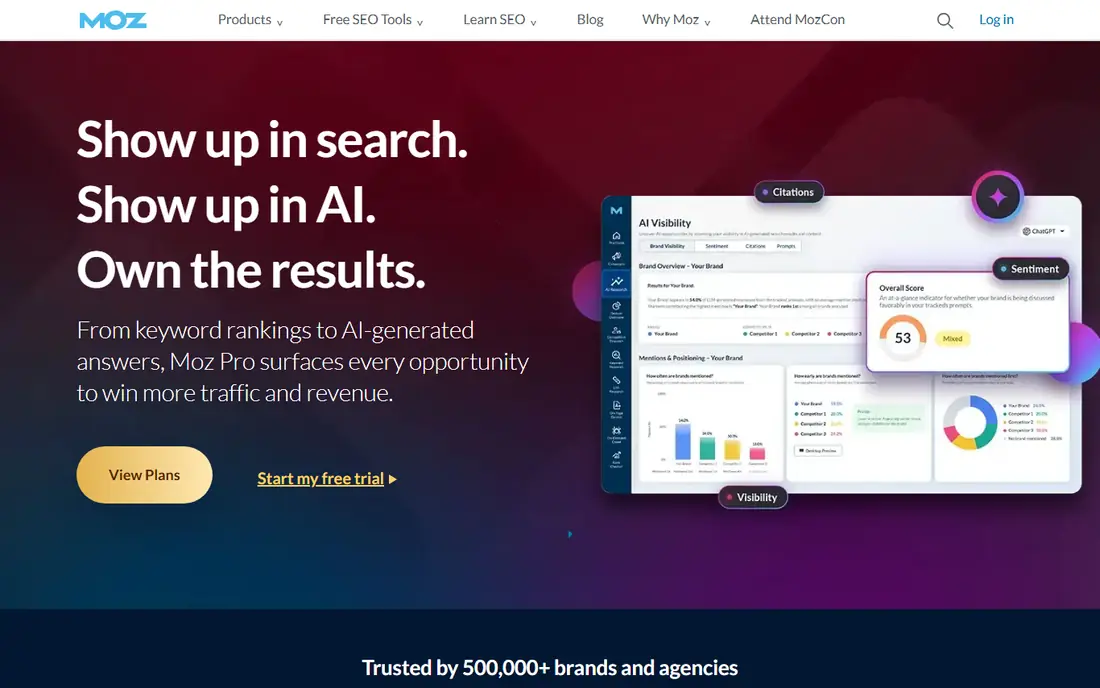
Moz Pro Standard tracks 300 keywords across three sites, which suits a small business with one main site and a couple of side projects. Its interface explains ranking concepts in plain terms, and its AI Overview tracking adds a modern layer that older rank tools lack. A 30-day trial gives a fair chance to test it on real keywords.
The limit is scale. Larger agencies will outgrow 300 keywords quickly, and link data is not as deep as Ahrefs. Moz is a strong first paid tracker for a team learning SEO, rather than a long-term home for a thousand-keyword portfolio.
- Clear interface
- AI Overviews by keyword included
- 30-day free trial on many plans
- Keyword allowance is smaller than rivals at a similar price
- Backlink data is thinner than Ahrefs
SE Ranking Core offers one of the best keyword counts per dollar in this list, with daily tracking and competitor comparison built in. Agencies like it because reports can carry their own branding on every plan, and clients can receive scheduled updates without extra software. Audits, keyword research and local tracking round out a capable suite.
Its backlink data is the weak spot, so link-heavy teams often pair SE Ranking with a second source. For pure rank tracking and client reporting, though, the value is hard to beat, and the daily refresh keeps reports current without manual checks.
- 2,000 keywords on Core when billed annually
- Daily updates
- White-label reports on all plans
- Backlink index is smaller than the leaders
- AI tracking can require an add-on
AccuRanker is a specialist, not a suite, and it shows in the tracking quality. Rankings refresh daily and on demand, which means a team can recheck a keyword after publishing a change instead of waiting for tomorrow. Location tracking is flexible, and reporting tools suit agencies that manage many clients.
The price reflects that focus. At $224 per month for Professional, AccuRanker costs more than suites that include research and audits, so it only pays when tracking accuracy and speed are the priority. Teams that also need keyword research will need a second tool alongside it.
- Daily plus on-demand refreshes
- 2,000 keywords on Professional
- Strong agency reporting
- High entry price
- Not a full SEO suite, so research tools are limited
Serpstat covers rank tracking, keyword research, audits and PPC analysis in one subscription, which suits teams that run search and paid ads together. Daily updates keep ranking reports fresh, and the limited free tier lets a small team test the basics before paying. Its price undercuts the big suites while still covering the core jobs.
Data coverage is uneven outside major markets, so teams focused on smaller countries should trial it on their own keywords first. For US-focused teams on a budget, Serpstat is a capable middle ground between a free tool and a premium suite.
- Daily rank tracking
- Combined SEO and PPC research
- Limited free tier for testing
- Data depth varies by market
- Interface takes time to learn
Nightwatch combines classic rank tracking with AI visibility tracking, which is useful now that AI answers sit alongside organic results. Its Starter plan covers 500 keywords with daily updates, plus AI prompts, and reports can be white-labelled for clients. On-demand refreshes let a team recheck a ranking after a site change.
Currency is a small wrinkle, since some Nightwatch pricing is shown in euros and converted for US buyers. The keyword database is also smaller than Semrush or Ahrefs, so research-heavy teams may still need a second tool. As a tracker, though, it is focused and fairly priced.
- Daily plus on-demand updates
- AI prompt tracking included
- White-label reports on all plans
- Priced in euros on some plans, so dollar cost varies
- Smaller keyword database than the leaders
Every site should run Google Search Console, whatever else it buys. It is the only free source of real Google data for your own site, showing which queries brought impressions and clicks, which pages gained or lost, and where technical problems block indexing. It also reports on AI Overviews and AI Mode impressions for eligible properties.
Its limits are clear. It only covers sites you verify, it does not track competitors, and data typically lags by two or three days. Use it as the truth check for any paid tracker, not as a replacement for competitor and keyword research.
- Free
- Real Google impression and click data
- Shows queries, pages and countries
- Only covers your own verified sites
- Data lags by a few days
- No competitor rankings
Wincher keeps rank tracking simple. It follows keywords daily, shows movement over time, and avoids the sprawling feature lists that make suites slow to learn. For a freelancer or a small business with a handful of priority terms, that simplicity is a feature, not a gap.
The trade-off is depth. Wincher will not replace keyword research, audits or backlink analysis, so growing teams will eventually add a suite. Start here when the job is tracking a defined keyword set well, and upgrade when research becomes the bottleneck.
- Simple daily tracker
- Easy to set up
- Good for freelancers and small sites
- Fewer research features than a suite
- Pricing and limits vary by plan
How we picked these
We compared official pricing pages, keyword allowances, update frequencies and public reviews, and we kept only tools that track rankings today in the US market. Where vendors publish different prices for monthly and annual billing, we used the figure most clearly tied to the plan described. Tools with no verifiable ranking product were left out, even if they claim SEO features.
How to pick the right ranking tool
Count your keywords honestly, including local variants and competitor terms, then compare price per tracked keyword rather than headline price. A $224 tracker with 2,000 keywords can cost less per term than a $99 suite with 300. Next, check update frequency and location options, since a weekly national tracker will miss local movement that a daily city-level tracker catches.
Finally, run a trial on your own terms. Track the same keyword set in two tools for a month and see which reports you actually open. The best ranking tool is the one whose alerts lead to a fix, not the one with the longest feature list.