Best Social Media Apps in 2026: 9 Apps Compared
By ToolNimba Editorial Team October 29, 2026 8 min read

- Top pick
 Instagram
All-round social
Starting priceFreeCheck out InstagramRead our review - Runner-up
 TikTok
Short video discovery
Starting priceFreeCheck out TikTokRead our review - Also great
 YouTube
Long-form video
Starting priceFreeCheck out YouTubeRead our review
How we researched this
We compared official pricing and feature pages, app store listings, privacy policies and public user reviews. Prices change, so check the provider's site before you pay.
Key takeaways
- Instagram remains the best all-round social app, combining photos, short video, stories and messaging.
- TikTok leads for short video discovery, with an algorithm that surfaces new creators fast.
- YouTube suits long-form video and creators who want search-driven, lasting content.
- LinkedIn is the professional network, best for careers, industry news and business content.
- Reddit suits topic-based communities, with deep discussion on almost any interest.
- X suits real-time news and conversation, while Snapchat suits close-friend messaging.
Quick comparison
| Name | Best for | Starting price | Free plan | |
|---|---|---|---|---|
| Instagram | All-round social | Free | Yes | Visit |
| TikTok | Short video discovery | Free | Yes | Visit |
| YouTube | Long-form video | Free | Yes | Visit |
 Facebook | Friends and groups | Free | Yes | Visit |
 X | Real-time news | Free | Yes | Visit |
 Snapchat | Close-friend messaging | Free | Yes | Visit |
 Reddit | Topic communities | Free | Yes | Visit |
 LinkedIn | Professional networking | Free | Yes | Visit |
 Pinterest | Ideas and inspiration | Free | Yes | Visit |
The best social media apps
Social media apps differ in format, audience and algorithm: some reward short video, others reward discussion or professional content. We compared official app pages, feature pages and public documentation to build this list, covering the major networks active in October 2026.
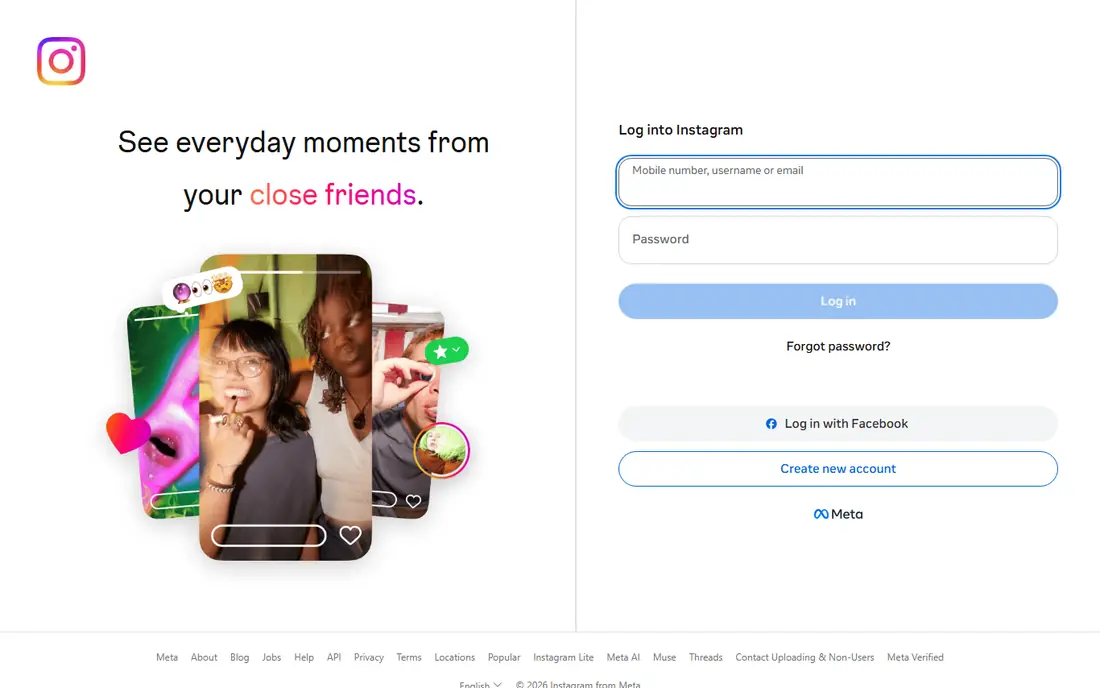
Instagram combines photos, short video through Reels, Stories, direct messages and broadcast channels, with creator tools for shops, subscriptions and analytics. It is free, with optional subscriptions and ads funding the platform.
The breadth makes Instagram the default social app for most people: friends, creators and brands all live here. Reach fluctuates with algorithm changes, and the feed can eat hours. For all-round social use, Instagram is our pick.
- Photos, Reels, Stories and messaging in one app
- Huge audience
- Strong creator tools
- Algorithm changes affect reach
- Ads are frequent
- Time sink for many users
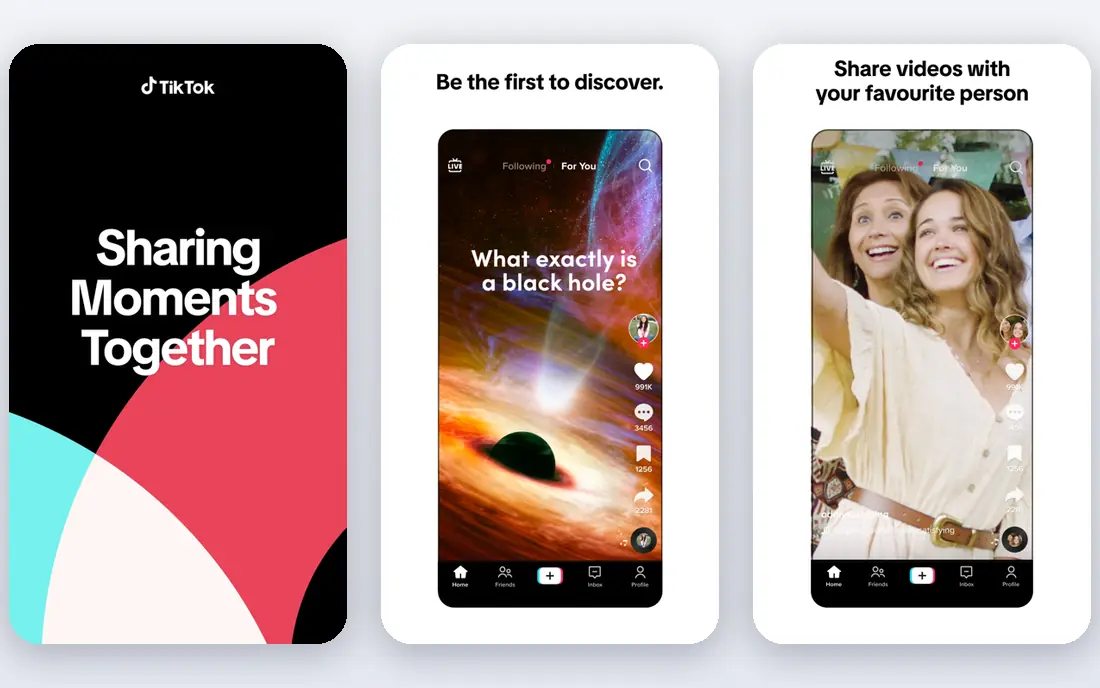
TikTok serves short videos through a For You feed that surfaces new creators quickly, with simple editing tools, effects and sounds built in. It is free, with optional coins, gifts and subscriptions.
The discovery engine is unmatched: new accounts can reach large audiences without followers. The feed is highly engaging, which makes time management harder, and business use needs care around music rights. For short video discovery, TikTok leads.
- Best discovery for new creators
- Short video tools are simple
- Huge young audience
- Addictive feed
- Music licensing limits some business use
- Availability varies by country
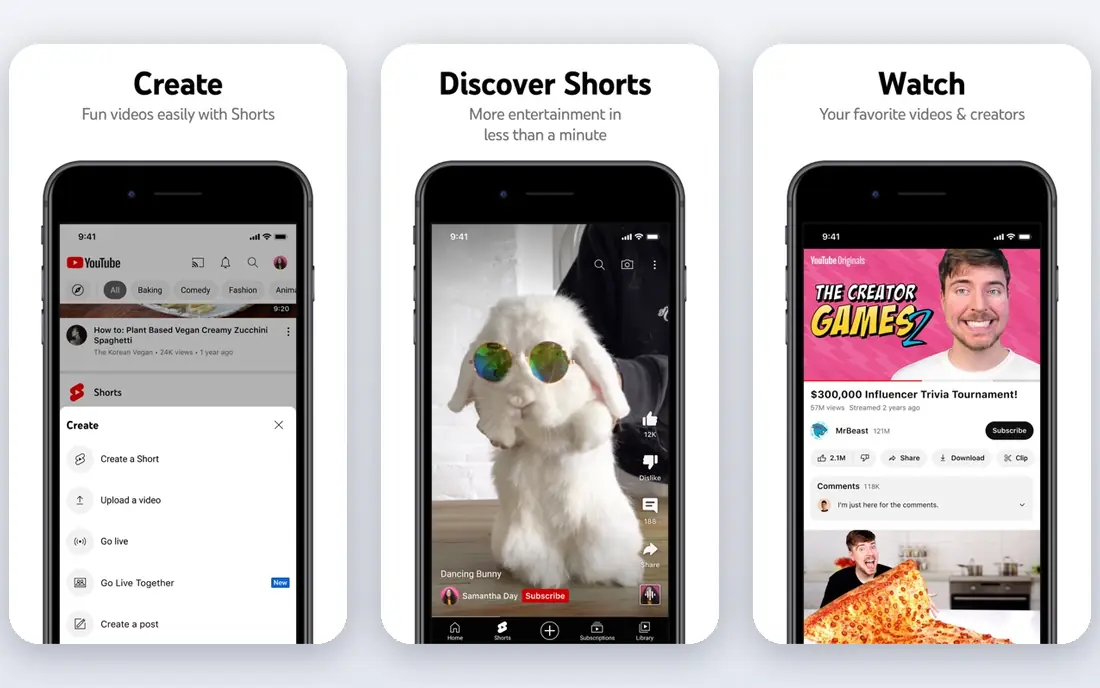
YouTube hosts long-form video, Shorts and live streams, with search-driven discovery that keeps videos finding viewers for years, plus monetization through ads, memberships and shopping. It is free to watch and post, with Premium removing ads.
The lasting value of search-driven video suits creators building a library, not just a feed moment. Production effort is higher than short-form apps. For long-form video, YouTube is unmatched.
- Search-driven discovery
- Long-form and Shorts
- Monetization for creators
- Competition is intense
- Production effort is higher
- Ads on free viewing
Facebook remains the largest social network, with friends, Groups, Pages, Events and Marketplace in one app. It is free, funded by ads.
The breadth suits staying in touch with family, running community groups and selling locally. Younger audiences spend more time on TikTok and Instagram, and the feed mixes many content types. For friends, family and groups, Facebook is still the biggest room.
- Largest user base
- Groups for communities
- Marketplace and Events built in
- Younger users drift elsewhere
- Feed mixes ads and suggested content
X, formerly Twitter, hosts short posts, threads, live audio Spaces and Communities, with real-time conversation around news, sports and public events. It is free, with Premium subscriptions adding features.
The speed suits breaking news and live events, where posts appear before articles. Noise, abuse and engagement-driven ranking need careful use of mute, block and list features. For real-time news, X is the fastest pick.
- Fastest real-time conversation
- News and public figures post first
- Communities and Spaces
- Noise and abuse need moderation
- Algorithm favors engagement over chronology
Snapchat centers on private messaging with photos and videos that disappear, plus Stories, lenses, filters and a Snap Map showing friends nearby. It is free, with Snapchat Plus adding extras.
The private, playful feel suits close friends rather than public broadcasting. Disappearing content means nothing is saved unless you choose to. For close-friend messaging, Snapchat is the most fun pick.
- Private, ephemeral messaging
- Fun lenses and filters
- Snap Map for friends
- Smaller public audience
- Content disappears, so nothing lasts
Reddit hosts thousands of topic communities called subreddits, where users post links, questions and discussions voted up or down by members. It is free, with Premium removing ads and adding features.
The depth suits niche interests, advice and discussion that other apps skim over. Norms and moderation vary by community, so new users should lurk before posting. For topic-based communities, Reddit is unmatched.
- Communities for almost any interest
- Deep discussion
- Anonymous-friendly
- Interface and norms take learning
- Quality varies by community
LinkedIn is the professional network, with profiles, job listings, industry news, articles, newsletters and groups for careers and business. It is free, with Premium subscriptions adding job and networking features.
The professional focus suits job hunting, hiring, industry learning and business content. Casual social use feels out of place here. For professional networking, LinkedIn is the only serious pick.
- Professional audience
- Jobs and industry news
- Articles and newsletters
- Content can feel corporate
- Premium features cost extra
- Less casual than rivals
Pinterest is a visual discovery app where users save Pins to boards for recipes, home ideas, fashion, travel and projects, with shopping links on many Pins. It is free, funded by ads.
The planning focus suits ideas and inspiration over conversation: users browse to plan, not to chat. Shopping integration is strong for brands. For ideas and inspiration, Pinterest is a calm, useful pick.
- Visual discovery for ideas
- Boards for planning
- Strong for shopping inspiration
- Less conversation than rivals
- Audience skews toward planning and shopping
How we picked these
We compared official app pages, feature pages and public documentation for each network, and favored apps that are actively used and supported in October 2026. We mixed general networks, video apps, discussion communities and professional platforms so the list covers creators, professionals and everyday users. All nine apps are free to use, with optional subscriptions or ads.
How to choose social media apps
Start with your goal. Friends and family point to Facebook, Instagram or Snapchat, creators point to TikTok, Instagram or YouTube, and professionals point to LinkedIn. Next, consider time: short video feeds are the most absorbing, while Pinterest and Reddit let you browse with a purpose. Finally, check privacy settings on each app before posting, since defaults vary.
Manage your time on social apps
Set app limits, turn off non-essential notifications and curate your follows regularly. The apps are designed to hold attention, so small habits like a daily limit and a no-phone morning make a real difference.
Post for conversation, not just broadcast. Ask questions, reply to comments within hours, and share customer stories with permission, since engagement drives reach on most apps. Plan content in weekly batches to avoid daily scrambling, and review monthly which posts drove messages, bookings or sales. Vanity metrics feel good, but inquiries pay bills, so track the numbers that matter to your business.
Treat each app as a different room. A joke that lands on TikTok may fall flat on LinkedIn, and a detailed guide that works on Reddit may bore Instagram viewers. Adapt the same idea to each app's format instead of copying one post everywhere, and spend as much time replying and joining conversations as you spend posting. Audiences grow around people who show up, not just accounts that broadcast.