Best Mediafly Alternatives in 2026: 9 Tools Compared
By ToolNimba Editorial Team October 31, 2026 9 min read

- Top pick
 Seismic
Enterprise content and enablement at scale
Starting priceSee websiteCheck out SeismicRead our review - Runner-up
 Highspot
Guided selling and content that reps use
Starting priceSee websiteCheck out HighspotRead our review - Also great
 Showpad
Content, coaching and buyer rooms in one place
Starting priceSee websiteCheck out ShowpadRead our review
How we researched this
We compared official pricing and feature pages, app store listings, privacy policies and public user reviews. Prices change, so check the provider's site before you pay.
Key takeaways
- Our top pick for most readers is Seismic, because it covers the core need well without forcing a complex setup.
- If budget matters most, start with Highspot and test it on a real task before paying for a wider tool.
- The biggest difference between these options is not the feature list, it is how well each one fits your team size, workflow, and existing tools.
- Check pricing, free plan limits, and contract terms on the vendor site before you commit, since plans change often.
- A short trial with your own content or contacts will tell you more than any comparison table can.
Quick comparison
| Name | Best for | Starting price | Free plan | |
|---|---|---|---|---|
| Seismic | Enterprise content and enablement at scale | See website | No | Visit |
| Highspot | Guided selling and content that reps use | See website | No | Visit |
| Showpad | Content, coaching and buyer rooms in one place | See website | No | Visit |
 Mindtickle | Coaching, readiness and enablement together | See website | No | Visit |
 Bigtincan | Mobile-first enablement for field teams | See website | No | Visit |
 Allego | Video coaching and conversation intelligence | See website | No | Visit |
 Showell | Simple branded sales app for smaller teams | See website | No | Visit |
 Crescendo | Budget sales content management | $180 per user per year | Free trial | Visit |
 Qwilr | Interactive proposals and sales documents | See website | Free trial | Visit |
The best mediafly alternatives apps
We compared official product pages, feature descriptions, and public pricing notes for sales enablement platforms, and weighed content management, coaching, analytics, and ease of adoption for each tool.
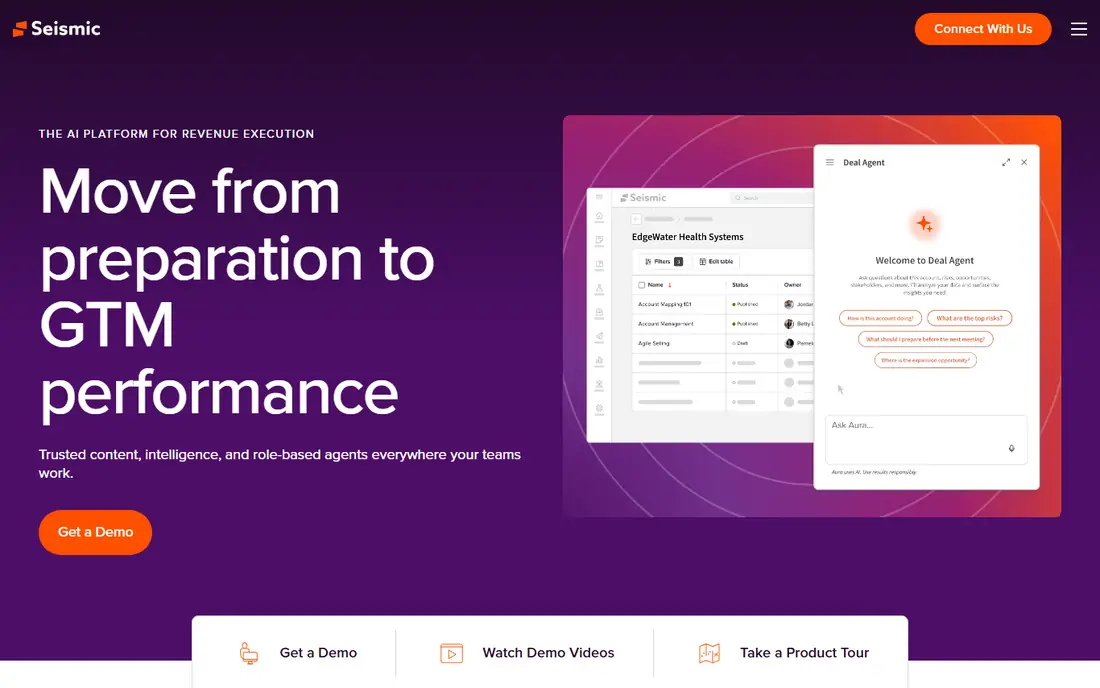
Seismic is the most common enterprise answer when Mediafly feels too limited for a large sales org. It centralises content, personalises it for each buyer, and tracks how that content is actually used. For teams with many reps and many assets, that control is hard to replace.
The trade-off is complexity and cost. Seismic is built for organisations that will invest in setup, governance, and training. If your team is small, request a demo focused on your daily workflow, not a feature tour, and check how long onboarding really takes.
- Strong content automation
- Analytics on buyer engagement
- Deep CRM integrations
- Enterprise pricing and setup
- Smaller teams may find it heavy
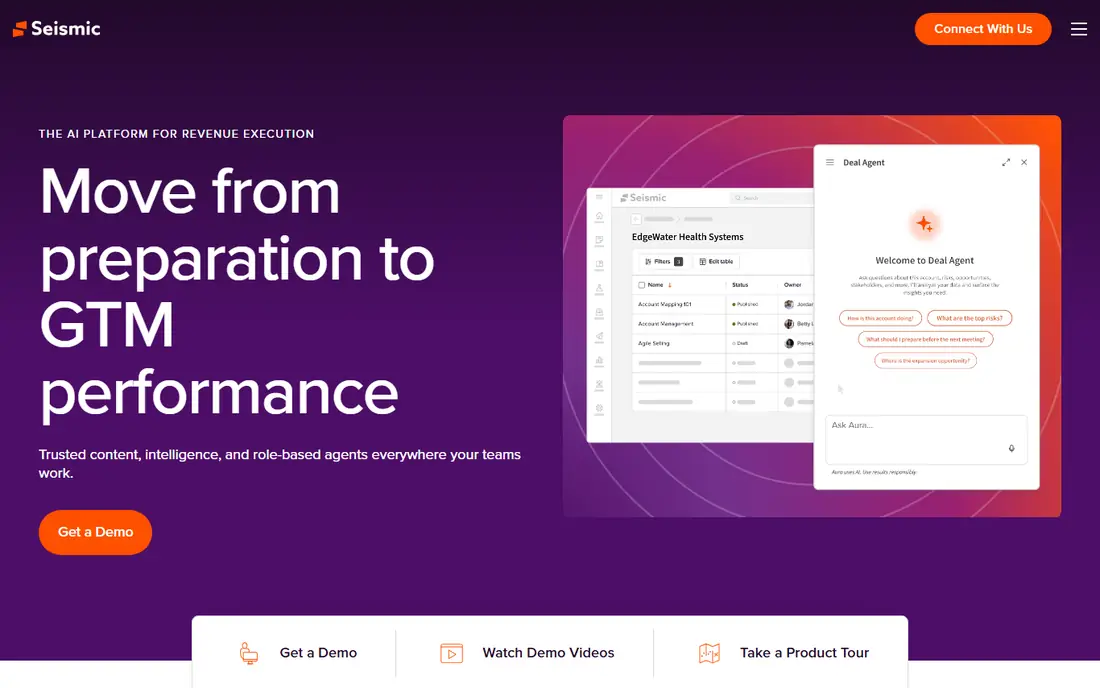
Highspot, now part of Seismic, is often picked for adoption. Reps can find the right deck or one-pager quickly, follow a guided playbook, and see what to send next. That matters because enablement tools only work when reps actually open them.
Because Highspot and Seismic now sit under one roof, ask exactly which product you are buying and what is included. Pricing, support, and migration paths can differ by package. A pilot with one sales team will tell you more than a slide deck ever will.
- Guided selling playbooks
- Content search and recommendations
- Training and coaching tools
- Quote-based pricing
- Can be more than smaller teams need
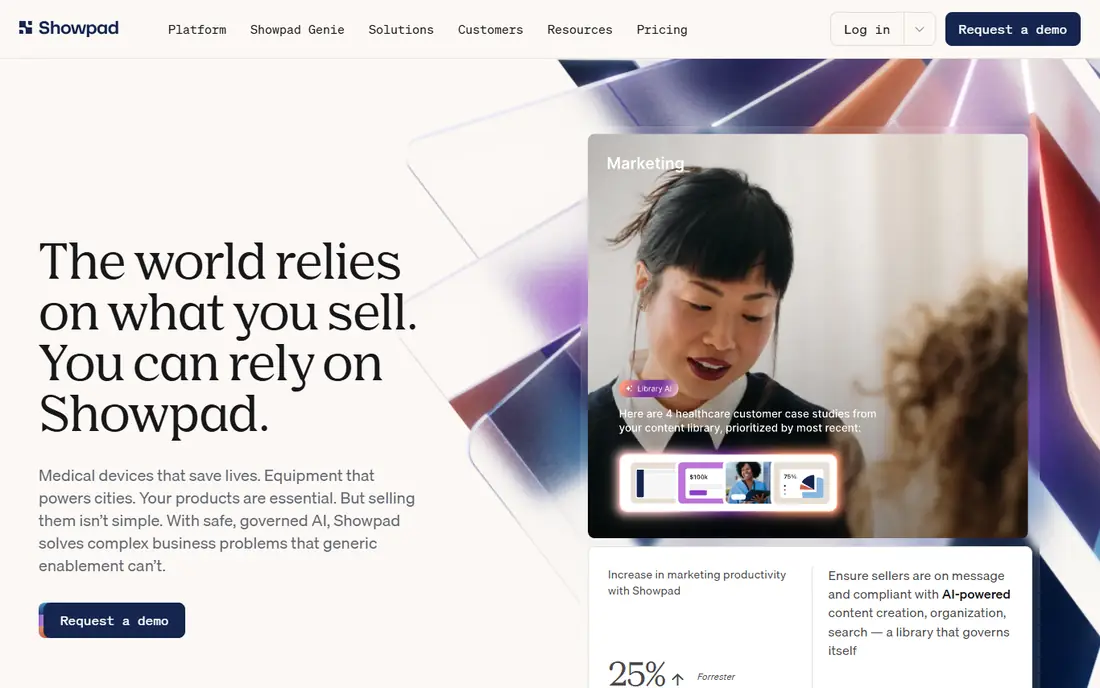
Showpad blends content management with coaching and shared buyer spaces. A rep can share a tailored room, track buyer visits, and follow up on the pages that got attention. That combination suits teams that sell through longer, consultative cycles.
Content migration is the part to plan for. If your assets live in shared drives with unclear owners, clean them up before import, or the new system will inherit the old mess. Showpad works best when marketing owns the library and sales owns the follow-up.
- Clean content experience for buyers
- Coaching and training
- Digital sales rooms
- Setup effort for large content libraries
- Pricing is quote-based
Mindtickle is the pick when the real gap is coaching, not just content storage. Managers can run training, practise pitches, score calls, and track readiness over time. For teams hiring fast or launching a new product, that structure helps new reps reach quota sooner.
Be clear about which tier you need, because Mindtickle layers readiness, enablement, and conversation tools in stages. Start with the coaching problem you must solve in the next quarter, then add content or analytics features only if that problem is already covered.
- Strong coaching and readiness programmes
- Content management
- Conversation intelligence add-ons
- Coaching-first design
- Pure content analytics may be less deep than Seismic
Bigtincan fits teams that sell away from a desk. Field reps, retail staff, and partner sellers can pull up content on a phone or tablet, complete short training, and log activity back to the CRM. Offline access matters here, and Bigtincan has long focused on it.
The honest catch is that a broad platform can feel less polished than a narrow one. Test it on the actual devices your reps use, in the places they work, before committing. A desktop demo will not reveal mobile friction.
- Mobile access for field and retail teams
- Content and learning in one app
- CRM integrations
- Interface feels dated to some users
- Enterprise implementation takes planning
Allego leans into video. Reps record practice pitches, get feedback, and learn from real call clips, which suits managers who coach by example. Conversation intelligence adds a second layer, surfacing what top performers actually say on calls.
Video coaching only works if managers use it. Before buying, agree on who reviews practice videos, how often, and what good looks like. Without that routine, even a strong tool becomes another library nobody opens.
- Video-based practice and coaching
- Conversation intelligence
- Content sharing
- Pricing is custom
- Smaller teams may need a narrower tool
Showell is the simpler counterpoint to Mediafly. It gives sales teams a branded app for presenting and sharing content, with offline access for meetings without reliable wifi. Teams that felt Mediafly was cluttered often prefer this focused approach.
Do not expect deep coaching or enterprise analytics here. Showell wins on speed and adoption, not on breadth. If your main need is clean, fast content access, that trade is worth it. If you need complex reporting, look at the enterprise options above.
- Simple to learn and adopt
- Branded sales app
- Offline content access
- Fewer advanced analytics and coaching features than enterprise platforms
Crescendo is the budget pick in this list, with a flat annual per-user price shown in public comparisons. For a small team that mainly needs organised sales content, shared links, and basic tracking, that simplicity is the point. There is less to configure and less to go wrong.
The limit is depth. Crescendo will not match Seismic on automation or Mindtickle on coaching, and buyers who need those features will outgrow it. Treat it as a clean starting point, and move up only when a specific gap starts costing deals.
- Flat per-user pricing
- Simple content management
- Free trial with no card required in public listings
- Limited coaching and analytics depth
- Smaller feature set overall
Qwilr solves a narrower problem well: turning static proposals into interactive pages buyers actually read. You can track opens, page views, and acceptances, and follow up on the sections that held attention. For deal-closing documents, that visibility is valuable.
Qwilr is not a full replacement for a content library or coaching platform. Use it alongside an enablement tool, or on its own if proposals are your main bottleneck. Check template flexibility early, because heavily customised proposals may need design time.
- Interactive proposals and quotes
- Buyer engagement tracking
- Templates for sales documents
- Proposal-focused, not a full enablement suite
- Content library features are narrower
How we picked these
We compared official feature pages, pricing pages, and app store listings for each option, and read public reviews to check for common complaints. We favoured tools that exist today, fit the topic directly, and state their pricing or free plan clearly where possible. Where a vendor did not publish a price, we wrote See website rather than guessing.
We also weighed ease of setup, limits on free plans, and how well each tool works with tools readers already use. A strong feature list counted for less than a workflow that a small team can actually adopt and keep using.
How to pick a sales enablement platform
Start from the workflow, not the feature list. If reps cannot find content in under a minute, adoption will fail no matter how strong the analytics are. If managers cannot coach, a content library alone will not lift win rates. Pick the one bottleneck that costs you deals this quarter, and judge every demo against it.
Run a short pilot with real content and real reps. Measure time to find content, share rates, and buyer engagement, and ask reps what slowed them down. Also check CRM integration, mobile and offline access, and who owns content upkeep after launch. A tool without an owner becomes a dusty library within months.