Best Trustpilot Alternatives in 2026: 9 Tools Compared
By ToolNimba Editorial Team October 31, 2026 8 min read

- Top pick
 Reviews.io
Affordable reviews with Google seller stars
Starting price$29 per monthCheck out Reviews.ioRead our review - Runner-up
 Yotpo
Reviews plus loyalty for e-commerce brands
Starting priceSee websiteCheck out YotpoRead our review - Also great
 Birdeye
All-in-one reputation for multi-location brands
Starting priceSee websiteCheck out BirdeyeRead our review
How we researched this
We compared official pricing and feature pages, app store listings, privacy policies and public user reviews. Prices change, so check the provider's site before you pay.
Key takeaways
- Our top pick for most readers is Reviews.io, because it covers the core need well without forcing a complex setup.
- If budget matters most, start with Yotpo and test it on a real task before paying for a wider tool.
- The biggest difference between these options is not the feature list, it is how well each one fits your team size, workflow, and existing tools.
- Check pricing, free plan limits, and contract terms on the vendor site before you commit, since plans change often.
- A short trial with your own content or contacts will tell you more than any comparison table can.
Quick comparison
| Name | Best for | Starting price | Free plan | |
|---|---|---|---|---|
| Reviews.io | Affordable reviews with Google seller stars | $29 per month | Yes | Visit |
| Yotpo | Reviews plus loyalty for e-commerce brands | See website | Yes | Visit |
| Birdeye | All-in-one reputation for multi-location brands | See website | No | Visit |
 Podium | Text-first review requests for local businesses | See website | No | Visit |
 NiceJob | Simple automated reviews for service businesses | $75 per month | Free trial | Visit |
 Feefo | Verified reviews from real customers only | See website | No | Visit |
 Judge.me | Low-cost reviews for Shopify stores | See website | Yes | Visit |
 Sitejabber | Public review profile for consumer brands | See website | No | Visit |
 EmbedSocial | Display reviews from many sources on your site | $29 per month | Free trial | Visit |
The best trustpilot alternatives apps
We compared official pricing pages, feature lists, and public comparison notes for review platforms, and focused on invite limits, Google integration, contract terms, and display options.
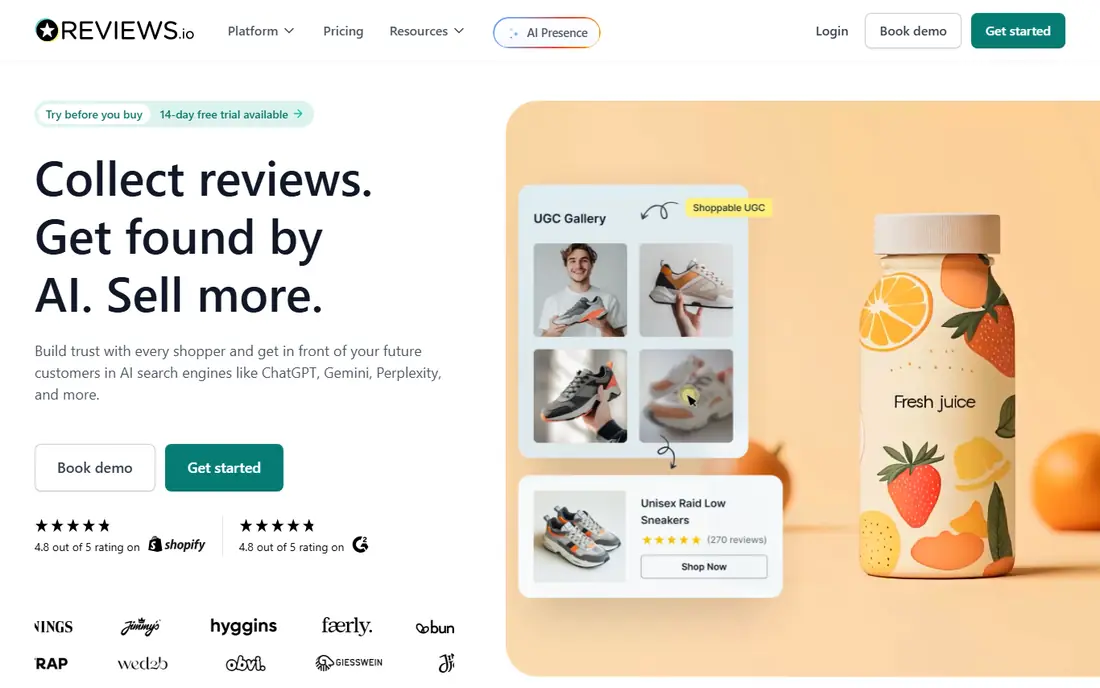
Reviews.io is often the first stop for stores leaving Trustpilot on price. It collects reviews, displays them with widgets, and supports Google seller ratings, which help ads and search results show stars. The entry price in public comparisons sits well below Trustpilot tiers.
The limit to watch is invite volume. Lower plans cap monthly review requests, so a high-volume store may need a higher tier sooner than expected. Count your monthly orders before choosing a plan, and check widget options for your platform.
- Review invites and widgets
- Google seller rating support in public listings
- Plans for stores of many sizes
- Monthly invite caps on lower tiers
- Advanced features need higher plans
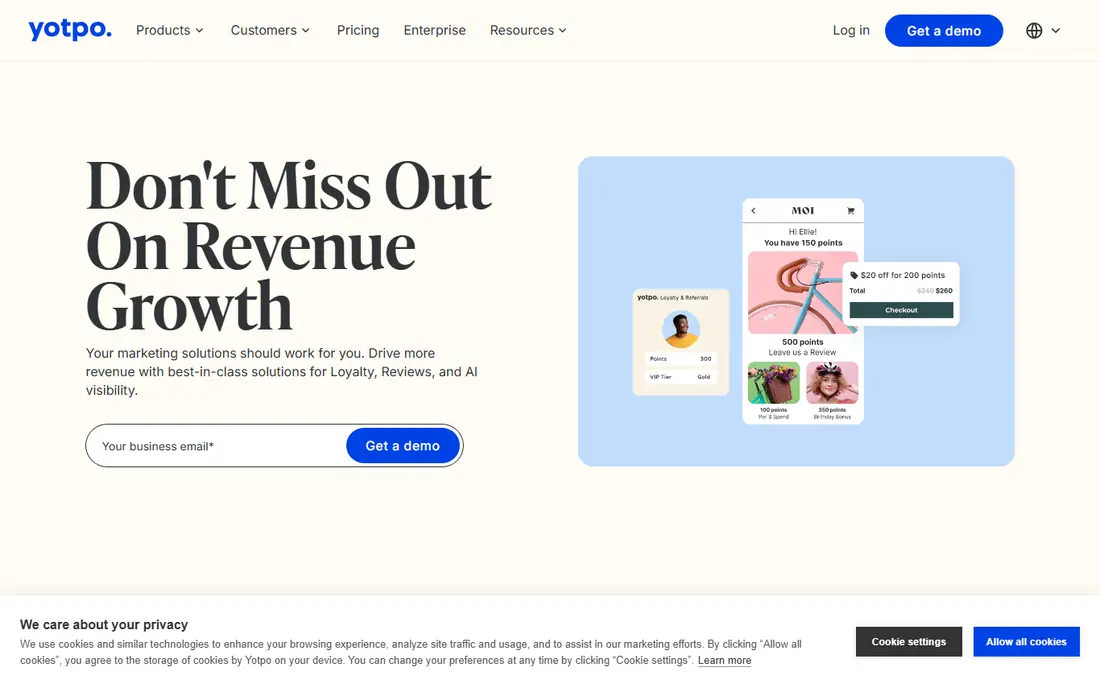
Yotpo pairs reviews with loyalty, which suits e-commerce brands that want repeat purchases as well as social proof. Customers can leave photo reviews, earn points, and refer friends from one system. Shopify stores get especially smooth integrations.
The cost model needs attention, since pricing often scales with orders. A growing store can see costs climb even if review volume stays flat. Model your order count for the next year, not just this month, before committing.
- Product reviews and photos
- Loyalty and referral tools
- Shopify-friendly integrations
- Pricing rises with order volume
- Smaller stores may find it pricey at scale
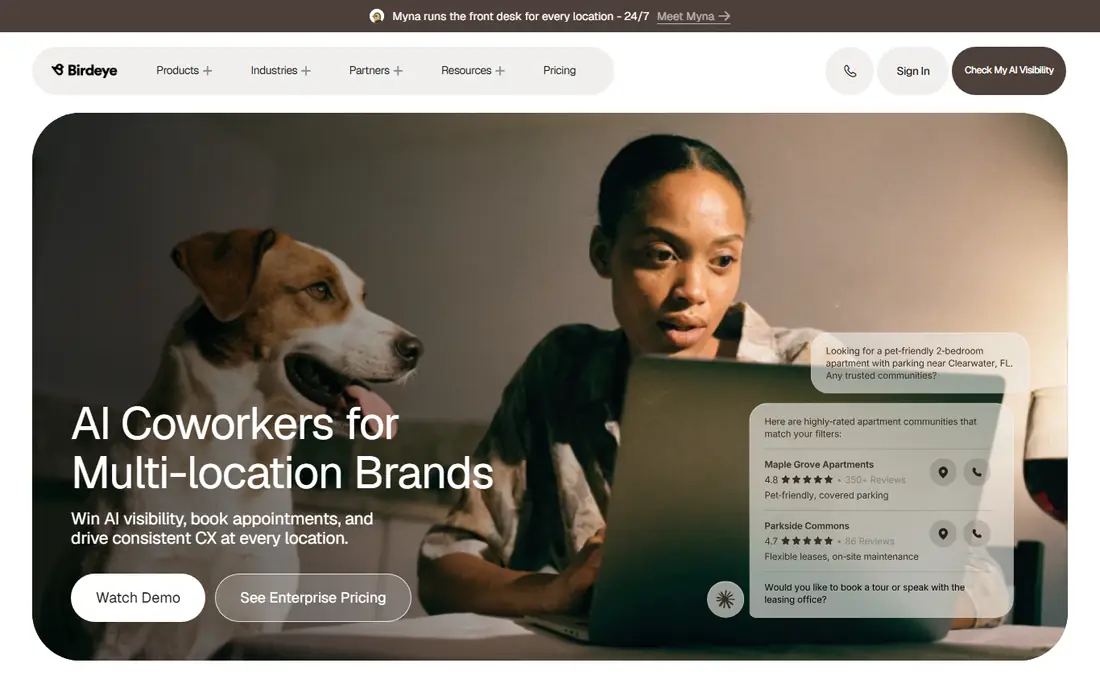
Birdeye is built for brands with many locations. It pulls reviews from Google, Facebook, and other sites into one dashboard, manages listings, and adds surveys and messaging. For a franchise or clinic group, that central view saves real time.
Single-location businesses may pay for breadth they never use. Birdeye fits best when you manage five or more locations, or when listings accuracy is as important as review collection. Request a per-location quote to compare fairly.
- Review monitoring across sites
- Listings management
- Surveys and messaging in one suite
- Quote-based pricing
- May be more than a single-location business needs
Podium leans on text messaging. After a visit or purchase, customers get a short text link to leave a review, which often converts better than email. That speed suits salons, clinics, auto shops, and other local services with frequent customer contact.
The entry cost is the honest catch. Podium is priced for businesses that will use messaging and reviews daily, not for occasional requests. If text requests are your main need, compare a simpler tool first and only upgrade if you need the full suite.
- SMS review requests
- Messaging and payments in some plans
- Multi-location tools
- Quote-based pricing
- Entry cost can be high for small businesses
NiceJob keeps review collection simple. It automates requests after a job, helps customers post to Google and other sites, and adds referral tools for service businesses. Setup is quick, and the monthly price is published, which makes budgeting easy.
The trade-off is breadth. NiceJob does not try to be a full marketing suite, so teams that also need listings, messaging, and surveys may need other tools. For a plumber, cleaner, or contractor, that focus is usually a strength, not a weakness.
- Automated review requests
- Referral features
- Simple setup for service teams
- No free plan
- Feature set is narrower than all-in-one suites
Feefo only publishes reviews from verified customers, which gives its badges extra weight with cautious shoppers. Businesses can collect service and product reviews, respond publicly, and use feedback data to spot service problems early.
Verification is both the strength and the limit. It builds trust, but it also means you cannot collect open reviews from anyone who claims to be a customer. If your main need is verified proof, Feefo fits. If you want broad public reviews, a more open platform may suit better.
- Verified-only review collection
- Service and product reviews
- Insight and reporting tools
- Pricing is quote-based
- Widget and integration options vary by plan
Judge.me is a favourite with Shopify stores because it is affordable and built for that platform. It collects product reviews, supports photos and video, and offers widgets that fit store themes without heavy custom work. Many small stores start here.
The Shopify focus is also the boundary. Stores on other platforms should check integration options first. Public comparisons also note limits on Google seller ratings, so if ad stars are your main goal, compare Reviews.io or Yotpo as well.
- Shopify-native reviews
- Photo and video reviews
- Widgets and SEO features
- Shopify-focused
- Google seller rating support is limited in public comparisons
Sitejabber gives businesses a public profile where customers can leave reviews, similar in spirit to Trustpilot. It offers review requests, display badges, and a recognisable profile page that shoppers can check before buying. That familiarity helps conversion.
Pricing sits above budget tools, and public comparisons note long contract terms, so read cancellation terms before signing. Sitejabber fits brands that want a public review destination and are ready to commit for a year, not those testing reviews for a month.
- Public business profile and reviews
- Review request tools
- Trust badges for websites
- Entry pricing is higher than budget tools
- Contract terms need careful reading
EmbedSocial is display-first. It pulls reviews from Google, Facebook, and other sources into widgets for your website, so visitors see social proof without leaving your site. That makes it a good add-on for businesses that already collect reviews elsewhere.
If your main problem is getting more reviews, not showing them, a request-focused tool may serve you better. EmbedSocial works best as the display layer, paired with a simple request workflow, rather than as your only review tool.
- Aggregates reviews from Google, Facebook and more
- Website widgets
- Review request tools
- Display-first design
- Collection features are less deep than dedicated request tools
How we picked these
We compared official feature pages, pricing pages, and app store listings for each option, and read public reviews to check for common complaints. We favoured tools that exist today, fit the topic directly, and state their pricing or free plan clearly where possible. Where a vendor did not publish a price, we wrote See website rather than guessing.
We also weighed ease of setup, limits on free plans, and how well each tool works with tools readers already use. A strong feature list counted for less than a workflow that a small team can actually adopt and keep using.
How to pick a review platform
Decide first whether you need a public profile, more reviews, or better display. A public profile helps shoppers who search your brand name. A request tool helps you collect reviews consistently. A widget tool helps you show proof on product pages. Many teams need two of the three, and no single tool leads on all of them.
Check invite caps, contract length, and data ownership before you pay. Ask how reviews are verified, whether you can export them, and what happens to your profile if you cancel. A cheap plan with a strict invite cap can cost more in lost reviews than a pricier plan with room to grow.