Best Zeffy Payment Processor Stripe Alternatives in 2026: 9 Tools Compared
By ToolNimba Editorial Team October 31, 2026 8 min read

- Top pick
 Stripe
Payment processing for custom donation flows
Starting priceSee websiteCheck out StripeRead our review - Runner-up
 PayPal
Donations from a familiar checkout brand
Starting priceSee websiteCheck out PayPalRead our review - Also great
 Square
In-person and online giving for small nonprofits
Starting priceSee websiteCheck out SquareRead our review
How we researched this
We compared official pricing and feature pages, app store listings, privacy policies and public user reviews. Prices change, so check the provider's site before you pay.
Key takeaways
- Our top pick for most readers is Stripe, because it covers the core need well without forcing a complex setup.
- If budget matters most, start with PayPal and test it on a real task before paying for a wider tool.
- The biggest difference between these options is not the feature list, it is how well each one fits your team size, workflow, and existing tools.
- Check pricing, free plan limits, and contract terms on the vendor site before you commit, since plans change often.
- A short trial with your own content or contacts will tell you more than any comparison table can.
Quick comparison
| Name | Best for | Starting price | Free plan | |
|---|---|---|---|---|
| Stripe | Payment processing for custom donation flows | See website | No | Visit |
| PayPal | Donations from a familiar checkout brand | See website | No | Visit |
| Square | In-person and online giving for small nonprofits | See website | No | Visit |
 Donorbox | Donation forms, events and memberships | See website | Yes | Visit |
 Givebutter | All-in-one fundraising with donor tips | See website | Yes | Visit |
 Give Lively | Free fundraising tools for nonprofits | Free | Yes | Visit |
 BetterWorld | Free plan for auctions, events and giving | Free | Yes | Visit |
 Mightycause | Peer-to-peer and team fundraising | See website | Yes | Visit |
 RallyUp | Raffles, auctions and crowdfunding in one place | See website | Yes | Visit |
The best zeffy payment processor stripe alternatives apps
We compared official pricing pages, fee descriptions, and feature lists for payment processors and nonprofit fundraising platforms, and focused on true cost per donation, campaign types, and donor management.
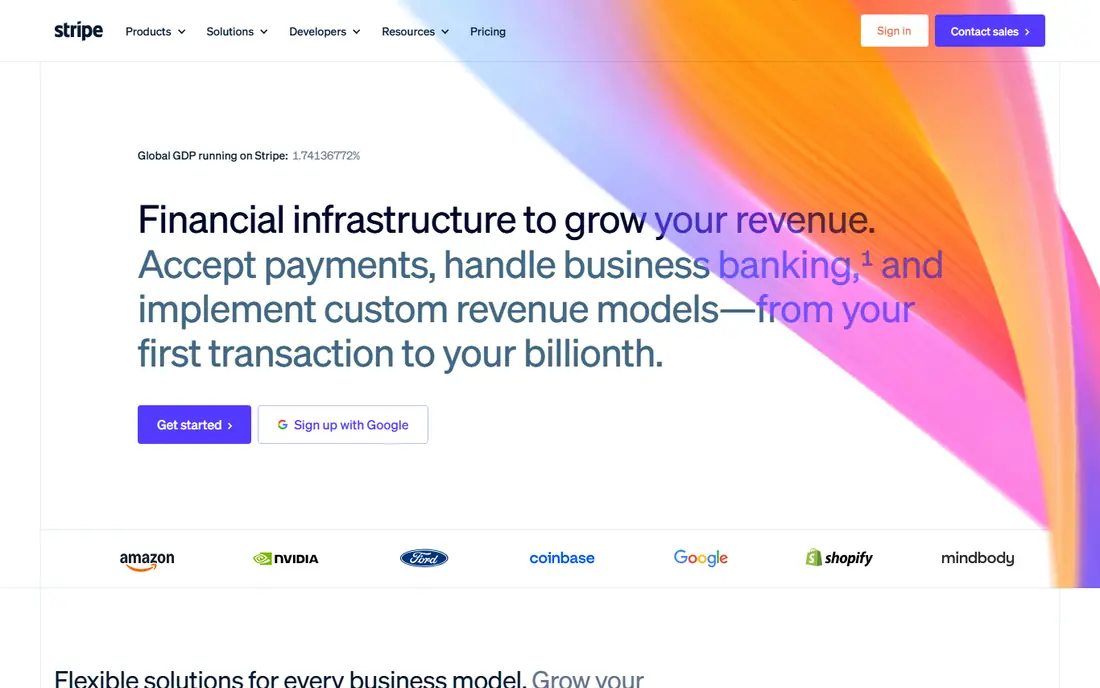
Stripe is the payment layer behind many fundraising platforms, and using it directly gives you full control. You can build custom donation forms, payment links, and recurring flows, and accept cards and wallets through one system. Developers like the documentation and testing tools.
The trade-off is that Stripe alone is not a fundraising platform. You still need a donation form, donor records, and tax receipts, either built in-house or added through another tool. Nonprofits should confirm the discounted nonprofit rate and eligibility before budgeting.
- Flexible APIs and payment links
- One-time and recurring payments
- Broad payment method support
- No built-in donor CRM or tax receipting
- Nonprofits must build or add those layers
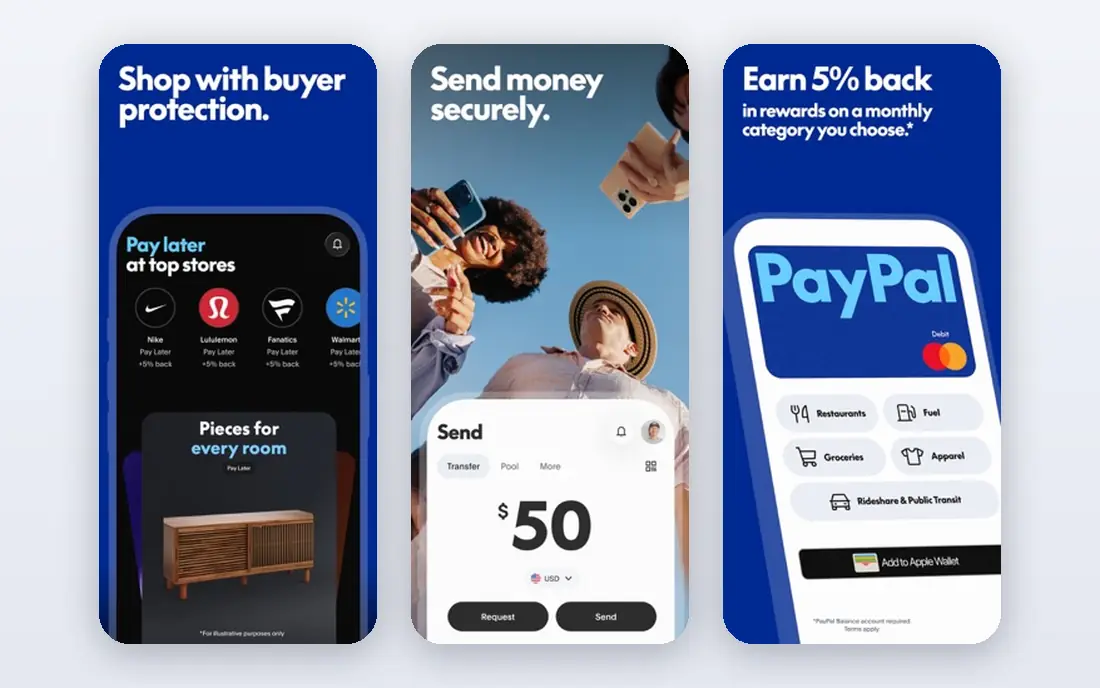
PayPal works because donors already trust it. A donor can give with a PayPal balance or a card without creating a new account, which can lift completion rates for small, impulse gifts. Donation buttons are quick to add to an existing website.
The limit is depth. PayPal handles payments well, but peer-to-peer campaigns, event ticketing, and donor management need other tools or integrations. Compare the nonprofit fee in your country, since rates and eligibility vary by region.
- Widely recognised by donors
- Donation buttons and recurring giving
- Nonprofit rates in many regions
- Fees still apply per donation
- Fundraising features are narrower than dedicated platforms

Square shines at events. A gala, a market stall, or a community fundraiser can take card and tap payments on the spot, with receipts and simple reporting built in. That in-person strength makes it a useful complement to an online donation page.
For online-only fundraising, dedicated platforms usually offer more, including peer-to-peer pages, memberships, and donor tracking. Square fits best when a large share of giving happens face to face, or when you already use Square for a shop or cafe.
- In-person card readers and tap payments
- Online checkout links
- Simple reporting
- No nonprofit discount on standard tiers in many cases
- Fundraising campaign tools are limited
Donorbox focuses on the donation form itself. You can embed it on your site, set suggested amounts, offer recurring gifts, and add donor fee coverage so more of each gift reaches your mission. Setup is fast for teams without developers.
Read the fee structure carefully, because Donorbox charges a platform fee in addition to Stripe or PayPal processing on many plans. For small nonprofits, the free or low-cost tier may be enough. For larger volumes, compare the higher tier against an all-in-one platform.
- Embeddable donation forms
- Recurring donations
- Event and membership options
- Platform fee on top of processor fees on some plans
- Costs rise with volume
Givebutter bundles many fundraising tools into one modern platform: donation pages, peer-to-peer campaigns, events, and auctions. Its tip-based model means donors can cover platform costs, which keeps the headline price low for nonprofits that use it well.
The honest catch is that tip coverage varies. If few donors tip, costs can rise, so check the fallback fee before a major campaign. Givebutter suits teams that want one platform for several campaign types without stitching tools together.
- Donation pages, events, auctions and peer-to-peer
- Donor tip model can reduce platform cost
- Modern design
- Free model depends on donor tips
- Advanced CRM features may need paid tiers
Give Lively is built for nonprofits and charges no platform fee in its public model, though card processing fees still apply through Stripe. It covers donation pages, text-to-give, event pages, and peer-to-peer fundraising in one place.
Expect a simpler toolset than a paid enterprise suite. That is a fair trade for many small and mid-size nonprofits, especially those running straightforward campaigns. Check processing rates and payout timing before launch, since those affect cash flow.
- No platform fee in public listings
- Donation pages, text giving and peer-to-peer
- Nonprofit focus
- Processing fees still apply
- Design and reporting may be simpler than paid suites
BetterWorld offers a free plan that covers a surprising range: donation pages, auctions, events, raffles, and peer-to-peer pages. Donors can cover processing fees in many cases, which helps small teams run a full campaign without a monthly subscription.
The free plan is not unlimited in every detail, so read limits on features and support before a large event. For schools, clubs, and small charities, BetterWorld is a strong low-cost starting point. Larger nonprofits may need a paid tier for deeper reporting.
- Free plan with auctions, events and peer-to-peer
- Donor fee coverage option
- Simple setup
- Processing fees apply
- Advanced features and support sit on paid tiers
Mightycause is best known for peer-to-peer fundraising and giving days. Supporters can create their own pages under your campaign, which spreads reach without extra staff time. That model works well for schools, teams, and community causes.
Pricing has changed over time, so do not rely on older comparisons. Check the current plan page for platform fees, processing fees, and what happens to donor data if you leave. A short test campaign will reveal whether the peer-to-peer tools fit your supporters.
- Team and peer-to-peer pages
- Giving day support
- Donor management basics
- Pricing tiers vary
- Confirm current platform and processing fees before launch
RallyUp covers the campaign types other platforms handle separately: raffles, auctions, crowdfunding, and peer-to-peer pages. That breadth suits nonprofits that run several event formats through the year and want one login for all of them.
Fees depend on the campaign type, so compare the exact format you plan to run, not just the headline free tier. A raffle and a crowdfunding page may carry different costs. Test the donor checkout on mobile, since many supporters will give from a phone.
- Raffles, auctions, crowdfunding and peer-to-peer
- Donor tip option on free tier
- Event pages
- Fees vary by fundraising type
- Some campaign types carry higher platform fees
How we picked these
We compared official feature pages, pricing pages, and app store listings for each option, and read public reviews to check for common complaints. We favoured tools that exist today, fit the topic directly, and state their pricing or free plan clearly where possible. Where a vendor did not publish a price, we wrote See website rather than guessing.
We also weighed ease of setup, limits on free plans, and how well each tool works with tools readers already use. A strong feature list counted for less than a workflow that a small team can actually adopt and keep using.
How to compare nonprofit payment costs
Look past the words free and low fee. A platform can charge no platform fee and still pass card processing to you, while another can cover processing and rely on donor tips. Work out the cost per 10,000 raised for your mix of one-time and recurring gifts, then compare that number, not the headline.
Also check tax receipts, donor data export, recurring gift management, and payout timing. A cheap platform that locks your donor list or delays payouts can cost more in lost retention than a slightly pricier one that makes repeat giving easy.