Best Ad Conversion Tracking Software for Mobile Apps in 2026
By ToolNimba Editorial Team November 19, 2026 7 min read
We did not test these tools hands-on. Picks are based on vendor documentation and public information. Read our editorial policy and disclosure.

- Top pick
 AppsFlyer
Broad cross-channel marketing measurement
Starting priceSee websiteCheck out AppsFlyerRead our review - Runner-up
 Singular
ROI-focused attribution and analytics
Starting price$0.05 per conversionCheck out SingularRead our review - Also great
 Branch
Deep linking plus privacy-safe attribution
Starting priceSee websiteCheck out BranchRead our review
How we researched this
We compared official pricing and feature pages, app store listings, privacy policies and public user reviews. Prices change, so check the provider's site before you pay.
Direct answer
AppsFlyer is the first pick for most teams that need broad measurement across mobile and other channels. Singular suits teams focused on ROI analytics, while Airbridge fits subscription apps tracking installs through revenue. Seven options are compared here.
Key takeaways
- AppsFlyer combines measurement, deep linking and data collaboration across channels
- Singular focuses on unified marketing data and AI-powered attribution analytics
- Branch pairs mobile measurement with deep linking and privacy-safe attribution
- Airbridge centers on subscription apps, tying ads to installs, trials and revenue
Quick comparison
| Name | Best for | Starting price | Free plan | |
|---|---|---|---|---|
| AppsFlyer | Broad cross-channel marketing measurement | See website | See website | Visit |
| Singular | ROI-focused attribution and analytics | $0.05 per conversion | Yes | Visit |
| Branch | Deep linking plus privacy-safe attribution | See website | Free trial | Visit |
 Kochava | Omnichannel outcomes measurement | $500 per month | Yes | Visit |
 Airbridge | Subscription app ad attribution | $40 per month | Free trial | Visit |
 Firebase | Developer-friendly app analytics foundation | $9.37 per month | Yes | Visit |
 Mixpanel | Product intelligence and in-app behavior | $100 per month | Yes | Visit |
Mobile App Ad Conversion Tracking, one by one
Choosing ad conversion tracking for mobile apps means weighing attribution, deep linking, and analytics needs. ToolNimba compared documented features and vendor pages for seven tools to help you shortlist.
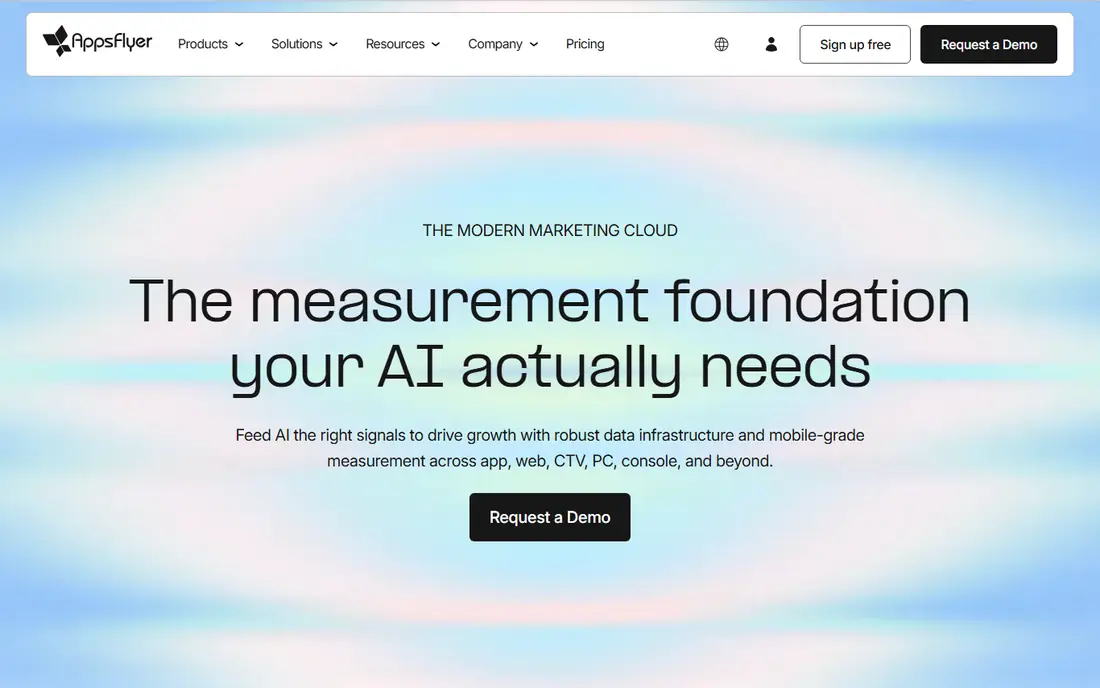
AppsFlyer is a marketing measurement platform that brings together measurement, deep linking, data collaboration and AI across mobile, web, CTV, console and other channels. It fits teams that want one place to judge channel performance and prove impact. Advertisers running campaigns across several surfaces, and marketers who need deep linking tied to measurement, are the clearest audience for it.
The wide feature set means more configuration and onboarding effort than a narrow tracker, so very small teams may find it heavy. If you only need basic install attribution inside a single app, a lighter option such as Firebase may be enough. Pick AppsFlyer when cross-channel proof of impact matters more than simplicity.
- Unifies measurement and deep linking
- Covers mobile, web, CTV and console
- AI-assisted decision support
- Broad scope may overwhelm small teams
- Setup takes planning
Singular presents itself as an AI-powered attribution and analytics platform that unifies marketing data, measures ROI and surfaces actionable insights. It suits teams that want to connect spend to outcomes and read performance across channels in one place. Growth and marketing analytics groups that already collect data from multiple sources are a natural fit.
Because the platform leans on analytics, teams without clean data pipelines may need extra preparation before results feel reliable. If your priority is deep linking and app infrastructure rather than ROI analytics, Branch is the more direct choice. Choose Singular when measurement of return across channels is the core need.
- Unifies marketing data in one view
- AI-powered attribution and analytics
- Built around measuring true ROI
- Analytics depth needs setup time
- May suit data-mature teams best
Branch describes itself as a mobile measurement and deep linking platform, offering privacy-safe attribution and linking infrastructure for apps. It fits teams that care as much about where users land inside the app as about which ad drove the install. Product and growth teams building referral, sharing or campaign links alongside measurement are the clearest fit.
Deep linking work can require developer involvement, so teams without engineering support may find the initial setup slower. If you mainly want product analytics rather than attribution and linking, Mixpanel covers that ground. Pick Branch when linking quality and privacy-safe attribution are central to your growth plan.
- Combines MMP and deep linking
- Privacy-safe attribution infrastructure
- Built for mobile growth teams
- Linking setup can be technical
- Analytics is secondary to linking
Kochava positions itself around omnichannel measurement for advertisers and publishers, with outcomes measurement aimed at driving actionable insights and privacy-durable growth. It fits organizations that run campaigns across several channels and want measurement tied to KPIs. Advertisers and publishers that need a shared measurement view are the intended audience.
The omnichannel scope can mean more configuration than a single-app team needs, so scope your goals before committing. If you want a platform centered on deep linking, Branch is a more focused alternative. Choose Kochava when outcomes across channels are the priority and you can invest in setup.
- Omnichannel measurement focus
- Serves advertisers and publishers
- Aims at privacy-durable growth
- Broad positioning needs careful scoping
- May be complex for simple apps
Airbridge focuses on attribution for subscription apps, showing which ads and content drive installs, trials, subscriptions and revenue, and letting teams compare results with ad spend. It suits subscription businesses that need to connect acquisition to downstream revenue events. Mobile marketers in subscription models who want a purpose-built view are the clearest audience.
The subscription focus means teams outside that model may find less of the platform relevant. Accurate revenue tracking also depends on clean event data from your app. If you need broad cross-channel measurement, AppsFlyer or Singular may fit better. Pick Airbridge when subscription revenue attribution is the central question.
- Tracks installs through revenue
- Compares results with ad spend
- Focused on subscription apps
- Narrower fit outside subscriptions
- Needs clean revenue data
Firebase is Google's mobile and web app development platform, helping developers build apps and games. Its analytics and event tracking can support basic conversion measurement inside the app, making it a practical starting point for developer-led teams. Early-stage apps that already build on Firebase are the most natural fit.
Firebase is not a dedicated mobile measurement partner, so cross-channel ad attribution is limited compared with AppsFlyer, Singular or Branch. Teams spending across many ad channels will usually add a specialized attribution tool. Choose Firebase when you want a development platform with built-in event analytics rather than full ad attribution.
- Part of a broad app platform
- Fits developer workflows
- Useful for basic conversion events
- Not a dedicated MMP
- Attribution depth is limited
Mixpanel is a product intelligence platform combining analytics, session replay, experiments, feature flags and AI-powered insights. It fits teams that want to understand in-app behavior after install and test changes to improve conversion. Product and growth teams focused on user journeys inside the app are the clearest audience.
Mixpanel is not an ad attribution platform, so it will not by itself tell you which ad drove an install. Pair it with an MMP such as AppsFlyer or Branch for acquisition measurement. Pick Mixpanel when post-install behavior and experimentation are the priority rather than ad source tracking.
- Analytics with session replay
- Experiments and feature flags
- AI-powered insights
- Not built for ad attribution
- Requires event planning
How the list was put together
ToolNimba compared documented features, vendor pages and stated limits for each tool in this list. Details can change, so confirm current capabilities on the vendor sites before deciding. The ordering is editorial and reflects how each tool's stated focus maps to common mobile ad conversion tracking needs, not hands-on testing.
What to confirm before you sign up
- Check which channels and platforms the tool measures
- Confirm deep linking support if in-app routing matters
- Verify how conversion events and revenue are tracked
- Review data privacy and consent handling options
- Assess setup effort and developer involvement needed
Sources
Official websites of the products reviewed above. Features and prices were checked against these sites when the guide was written, and they can change, so confirm on the vendor site before you buy.
Frequently asked questions
What is the difference between an MMP and product analytics?
A mobile measurement partner focuses on attributing installs and conversions to ad sources across channels. Product analytics tools focus on in-app behavior after users arrive. Many teams use both together.
Do I need deep linking for ad conversion tracking?
Deep linking helps send users to the right screen after a click and supports linking-based attribution. It matters most for campaigns, referrals and sharing flows. If those are not priorities, basic attribution may be enough.
How should subscription apps approach ad tracking?
Subscription apps benefit from tracking the full path from install to trial to subscription and revenue. Airbridge is built around that flow. Confirm that your revenue events are recorded cleanly so comparisons with ad spend stay meaningful.
Can I combine more than one of these tools?
Yes. A common pattern is an attribution platform for ad sources plus a product analytics tool for in-app behavior. Firebase can also serve as a developer foundation. Check data overlap and setup effort before combining.