Best AI Brand Visibility Tracking Tools in 2026: 9 Tools Compared
By ToolNimba Editorial Team November 3, 2026 10 min read

- Top pick
 Profound
Enterprise AI visibility programs
Starting priceSee websiteCheck out ProfoundRead our review - Runner-up
 Peec AI
Mid-market teams and agencies
Starting priceSee websiteCheck out Peec AIRead our review - Also great
 Otterly.ai
Low-cost first tracking
Starting price$29 per monthCheck out Otterly.aiRead our review
How we researched this
We compared official pricing and feature pages, app store listings, privacy policies and public user reviews. Prices change, so check the provider's site before you pay.
Key takeaways
- AI answers now shape buying decisions, so tracking only classic search rankings leaves a large blind spot for most brands.
- Dedicated trackers such as Profound, Peec AI, and Otterly.ai focus on prompts, citations, and share of voice inside AI answers.
- Broader listening tools such as Brand24 add social and web mentions, which helps teams that also need PR and reputation coverage.
- Entry pricing varies widely, from low-cost self-serve plans to custom enterprise contracts, so prompt volume matters more than the headline price.
- Our pick for most teams starting out is Otterly.ai for price, while larger teams should shortlist Profound and Peec AI.
Quick comparison
| Name | Best for | Starting price | Free plan | |
|---|---|---|---|---|
| Profound | Enterprise AI visibility programs | See website | Free trial | Visit |
| Peec AI | Mid-market teams and agencies | See website | Free trial | Visit |
| Otterly.ai | Low-cost first tracking | $29 per month | Free trial | Visit |
 Brand24 | Social listening plus AI visibility | See website | Free trial | Visit |
 Semrush AI Toolkit | SEO teams already using Semrush | See website | Free trial | Visit |
 Scrunch AI | Fixing inaccurate AI answers | See website | Free trial | Visit |
 Ahrefs Brand Radar | Market benchmarking | See website | No | Visit |
 Rankscale | Wide engine coverage on a budget | See website | Free trial | Visit |
 SE Ranking | SEO plus AI visibility in one suite | See website | Free trial | Visit |
The best ai brand visibility tracking tools
AI chatbots and AI overviews answer product questions before many buyers ever click a website. The tools below track how often your brand appears in those answers, what sources get cited, and how you compare with competitors. We compared official feature pages, pricing pages, and public documentation, and we did not claim hands-on testing.
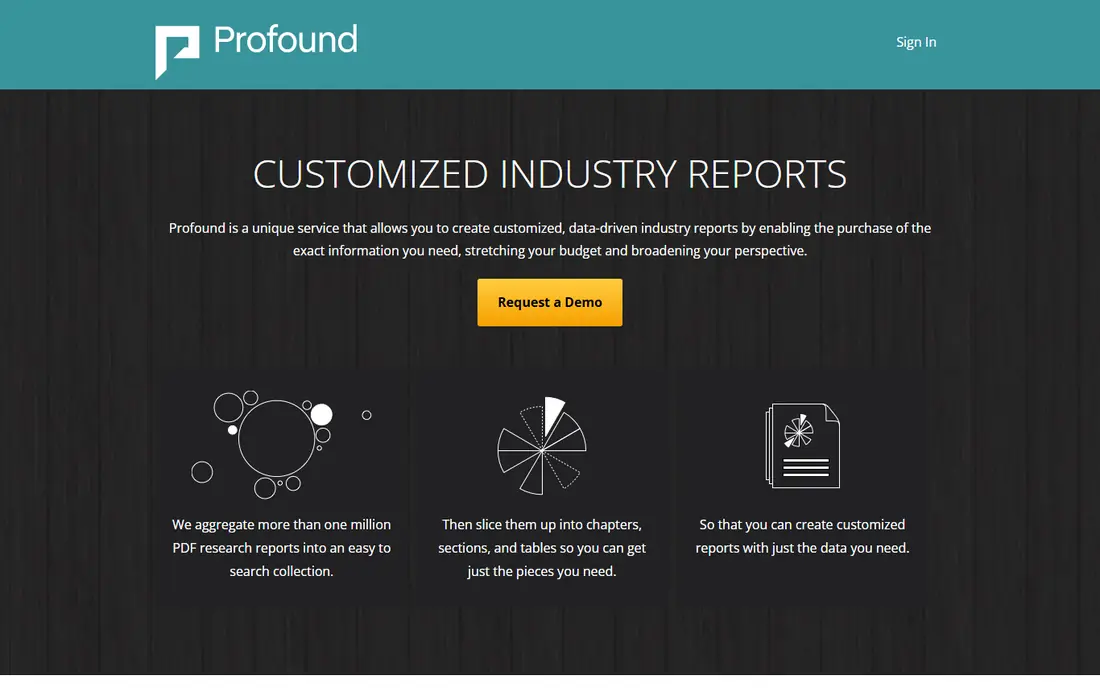
Profound is built for companies that treat AI visibility as a core marketing program rather than a side report. It tracks prompts across major AI platforms and shows which conversations mention your brand, which competitors appear, and which sources influence the answers. That depth suits teams that need to brief executives and connect AI visibility to content decisions.
The trade-off is cost and complexity. Smaller brands may find the platform more than they need, and pricing is not published as a simple monthly plan. If you run a large brand with many product lines, that depth is the point. If you only need a weekly check, a cheaper tracker will serve you better.
- Broad engine coverage
- Deep citation and conversation data
- Reporting built for large teams
- Custom pricing can be costly
- Onboarding may take longer than self-serve tools
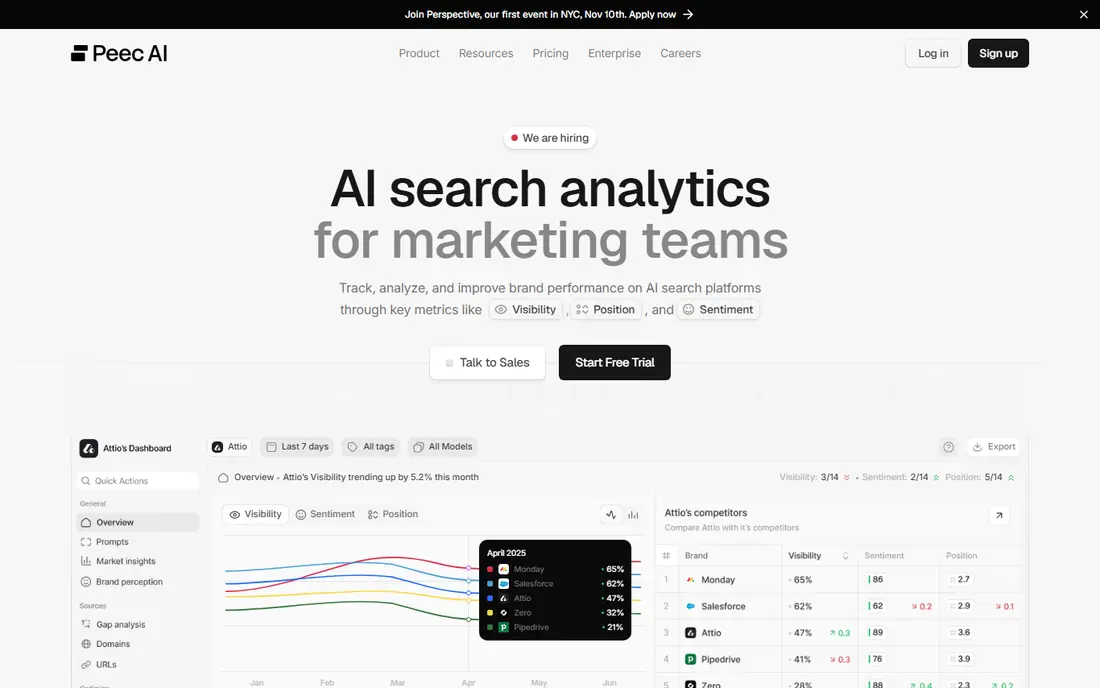
Peec AI focuses on prompt-level tracking across a set of AI engines you choose. That choice matters because different markets lean on different tools, and agencies can tailor tracking to each client. Unlimited seats on some plans also make it easier to share dashboards with clients and colleagues without paying per viewer.
The main limit is that entry plans do not cover every engine at once. Teams that need full coverage should check the higher tiers before buying. For mid-market brands and agencies, Peec AI offers a useful balance of depth, clarity, and team sharing.
- Choice of engines on self-serve plans
- Unlimited seats on some plans
- Clear prompt-level analytics
- Engine choice is limited on entry plans
- Pricing varies by region and plan
Otterly.ai is our pick for brands that want to start tracking AI visibility without a large contract. It covers core platforms such as ChatGPT, Perplexity, and Google AI Overviews, and it reports share of voice and sentiment in a format that is easy to explain to a non-technical manager. The low entry price makes it a sensible first step.
The catch is scale. If you need hundreds of prompts, many competitors, or deep citation analysis, you will outgrow the entry plan. Start here to learn where you stand, then upgrade or move to a larger platform when the data shows a clear business case.
- Low entry price
- Covers core AI platforms
- Simple share of voice reporting
- Fewer prompts than enterprise tools
- Competitive depth is limited
Brand24 is different from the dedicated trackers above because it started as a listening tool. It monitors social media, news, blogs, and forums, and its AI visibility add-on tracks how AI platforms mention your brand. That combination suits PR teams that need one place for reputation, mentions, and AI answers.
The downside is pricing structure. The AI module is not included on every plan, so the all-in cost can be higher than the base price suggests. If AI answers are your only concern, a dedicated tracker may be cheaper. If you also need listening, Brand24 is a strong combined choice.
- Wide social, news, and web coverage
- Sentiment and alert features
- AI visibility add-on
- AI visibility is an add-on on some plans
- Total cost rises with mentions and keywords
Semrush AI Toolkit adds AI visibility tracking to the broader Semrush platform. For teams that already use Semrush for keyword research, site audits, and competitor analysis, keeping AI data in the same workspace saves time. You can compare AI mentions with organic rankings and content gaps without exporting data between tools.
The weakness is focus. A general SEO suite will not always match the prompt depth of a dedicated AI tracker. If your team lives in Semrush already, this is the practical choice. If AI visibility is your main job, compare it closely with Profound and Peec AI first.
- Ties AI visibility to existing SEO data
- Competitor tracking
- Familiar workflow for SEO teams
- Add-on pricing can add up
- Less focused than dedicated AI trackers
Scrunch AI goes beyond reporting that your brand was mentioned. It helps teams find where AI answers are wrong, incomplete, or missing, and it points to pages that need fixing. That action step matters because tracking alone does not change what AI tools say about you. Content teams can use its audits to prioritise updates.
The price reflects that extra layer, so it is not the cheapest way to get a basic visibility chart. Teams that only want a monthly mention count should look elsewhere. Teams that want to improve answers, not just watch them, will get more value here.
- Focus on content gaps and corrections
- Page-level audits
- Useful for content teams
- Entry price is higher than budget trackers
- Less suited to simple monitoring
Ahrefs Brand Radar tracks brand mentions across the web and AI surfaces, with benchmarking against competitors. It suits SEO and brand teams that want to see the wider market, not just one chatbot. The link and content data behind Ahrefs also helps explain why a brand is cited more often than a rival.
The main drawback is cost and scope. You are buying into a large SEO platform, so small teams that only need AI tracking may pay for features they never use. Larger SEO teams, by contrast, will find the combined data worth the price.
- Strong web and brand mention data
- Useful benchmarking
- Ties to Ahrefs SEO tools
- No free plan
- AI features sit inside a larger, pricier suite
Rankscale offers a wide list of AI engines and a credit-based model that can be affordable for smaller teams. It is a good option when you want to test many engines without signing an enterprise contract. Prompt tracking, volatility, and competitor comparison cover the core jobs most buyers need.
Credit pricing is also its weakness. Costs depend on how many engines and prompts you run, so budgeting takes care. If you keep prompt volume steady, Rankscale is good value. If you plan to scale fast, model the credits before you commit.
- Broad engine list on higher plans
- Low entry options
- Prompt tracking at scale
- Credit-based pricing can be hard to forecast
- Interface is less polished than larger rivals
SE Ranking is an SEO platform that has added AI visibility tracking alongside classic rank tracking. That makes it appealing for agencies and in-house teams that already manage many clients or keywords in one dashboard. You can watch traditional rankings and AI answers side by side, which helps explain traffic changes.
The AI side is not as deep as a specialist platform, so enterprise teams with complex prompt programs may still need a dedicated tool. For small and mid-size SEO teams, SE Ranking offers a practical combined view at a more accessible price point than buying two separate tools.
- Combines rank tracking with AI visibility
- Competitor tracking
- Accessible for agencies
- AI features are newer than dedicated tools
- Depth varies by plan
How we picked these
We compared official product pages, pricing pages, and public documentation for tools that track brand mentions inside AI answers, AI overviews, or both. We required a real, current product with a clear AI visibility feature, not just a claim on a landing page. We favoured tools with published engine coverage, prompt tracking, and competitor comparison, and we included both dedicated trackers and broader suites so readers can match the tool to their budget and team size. We did not claim hands-on testing, and pricing should be checked on the vendor site before purchase because plans change.
What to check before you buy
Start with your prompt list, not the dashboard. Write down the 20 to 50 questions buyers actually ask about your category, plus direct comparisons with your main rivals. A tool that tracks only generic brand mentions will miss the buying questions that matter. Check which engines it covers, how often it refreshes data, and whether it shows the sources cited in answers.
Match the plan to your prompt volume
Entry plans often cap prompts, competitors, or tracked engines. Count your prompts first, then add room for seasonal campaigns and new product lines. Credit-based tools need the same care, because running many engines can use credits faster than expected.
Ask what happens after the report
Tracking is only useful if it leads to content fixes, PR work, or product page updates. Look for citation data, content gap reports, and export options that your team will actually use. If the tool only produces a chart, you will still need a separate plan to change what AI tools say.
Check sharing and privacy
AI visibility reports often go to executives, agencies, and product teams. Confirm seat limits, report sharing, and data handling before you sign. A tool that is hard to share will sit unused, no matter how good its data is.