Best AI Language Learning App in 2026: 9 Apps Compared
By ToolNimba Editorial Team November 1, 2026 10 min read

- Top pick
 Duolingo
Building a daily language habit
Starting priceFreeCheck out DuolingoRead our review - Runner-up
 Babbel
Structured lessons for work and travel
Starting price$13.95 per monthCheck out BabbelRead our review - Also great
 Talkpal
Open conversation in many languages
Starting priceSee websiteCheck out TalkpalRead our review
How we researched this
We compared official pricing and feature pages, app store listings, privacy policies and public user reviews. Prices change, so check the provider's site before you pay.
Key takeaways
- Duolingo is still the easiest daily habit, but its AI conversation features sit in the paid Max tier, so check what your plan actually includes.
- Speak and Langua are our picks for speaking practice, because they push you to talk and give feedback on mistakes instead of only testing vocabulary.
- Babbel and Busuu suit learners who want structure, grammar, and review, while LingQ suits readers who learn from real texts.
- No app alone makes you fluent: pair daily app practice with real conversation, listening, and reading outside the app.
Quick comparison
| Name | Best for | Starting price | Free plan | |
|---|---|---|---|---|
| Duolingo | Building a daily language habit | Free | Yes | Visit |
| Babbel | Structured lessons for work and travel | $13.95 per month | No | Visit |
| Talkpal | Open conversation in many languages | See website | Yes | Visit |
 Speak | Pronunciation and fast speaking drills | $19.99 per month | Free trial | Visit |
 Langua | AI tutor conversations with mistake reports | $19.99 per month | Yes | Visit |
 Busuu | Study plans plus feedback from native speakers | See website | Yes | Visit |
 LingQ | Learning from reading and listening to real content | $14.99 per month | Yes | Visit |
 Mondly | Speech practice and immersive lessons | $9.99 per month | Yes | Visit |
 Rosetta Stone | Immersion and pronunciation training | $11.99 per month | No | Visit |
The best AI language learning apps
We compared official feature pages, pricing pages, and app store listings, and we favored apps where the AI does a clear job: talking with you, correcting you, adapting review, or simplifying real content.
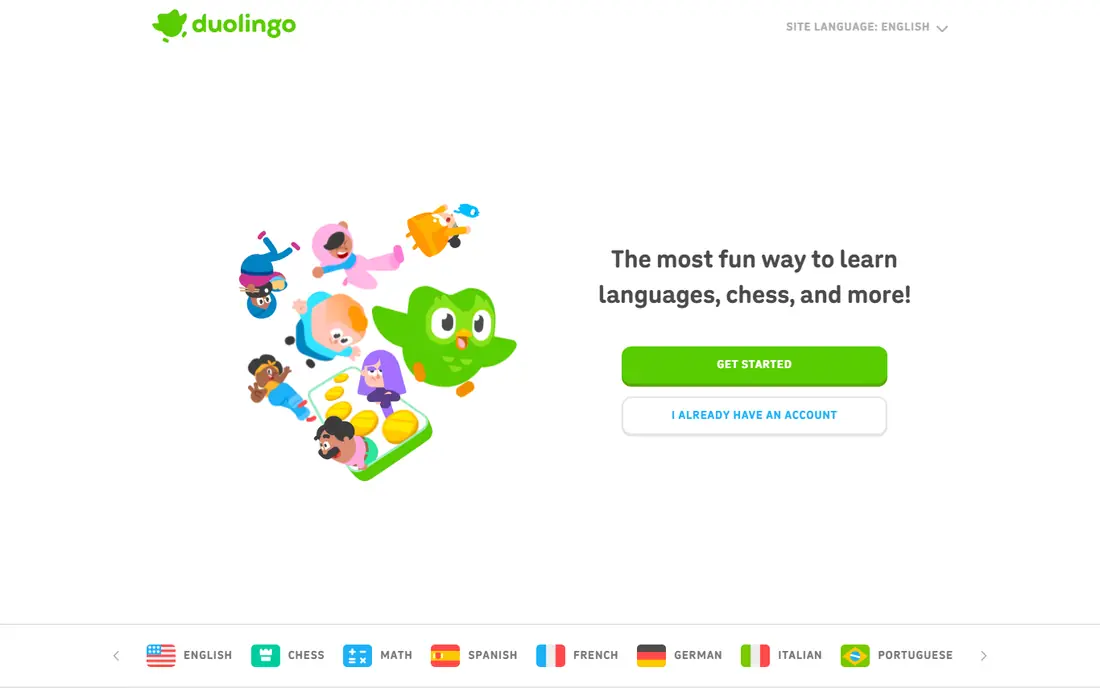
Duolingo remains the easiest place to start, because a lesson takes only a few minutes and the app reminds you to return. The free course covers vocabulary, grammar basics, listening, and reading in short drills, and the game elements help many learners stick with practice longer than a textbook would. For a beginner, that habit matters more than any single feature.
The AI angle is more limited than the marketing suggests. Max adds roleplay conversations and video calls that let you practice speaking in set scenarios, plus explanations for answers. If speaking is your main goal, you may outgrow Duolingo faster than you expect. Use the free version for a month, then pay for Max only if you actually use its conversation features.
- Large language library
- Free core lessons are genuinely usable
- Streaks and short lessons keep practice going
- AI roleplay and video call features need the Max tier
- Conversation depth is shallower than a tutor app
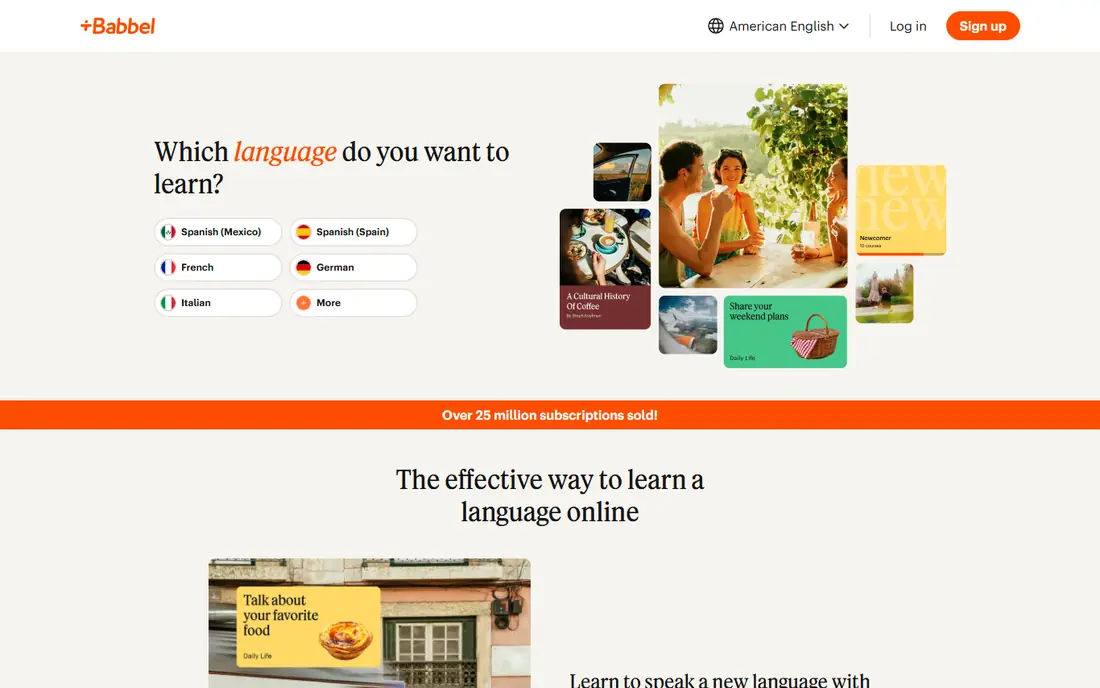
Babbel suits learners who want a course, not just a game. Lessons follow a clear path, explain grammar in plain terms, and tie new words to real situations like ordering food, asking directions, or handling a work meeting. Its adaptive review brings back words you tend to forget, which helps vocabulary stick beyond a single lesson.
The trade is fun. Babbel feels more like study, and some learners miss Duolingo streaks and leaderboards. Speaking practice exists, but it is not the same as an open AI conversation. If you learn best with order and explanation, Babbel is a strong pick among the best AI language learning apps, even if its AI stays mostly behind the scenes in review and personalization.
- Lessons built by language experts
- Clear grammar explanations
- Adaptive review of weak words
- Less playful than Duolingo
- Language library is smaller than the biggest apps
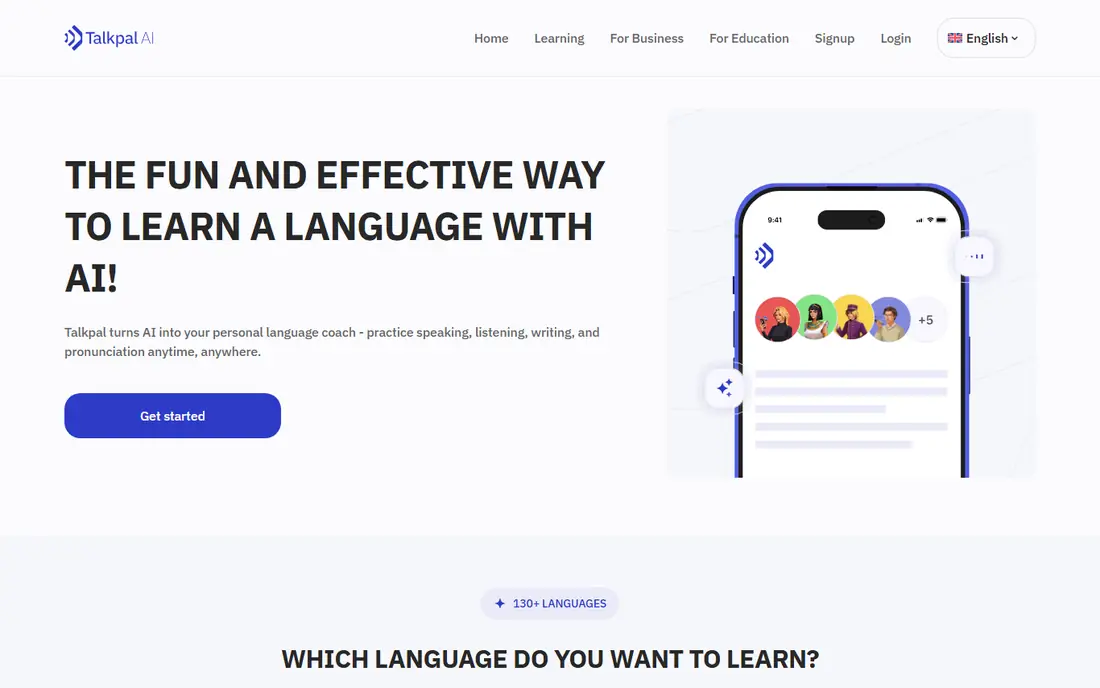
Talkpal is built around talking. You can chat by text or voice, try roleplays for common situations, and debate a topic when you want a harder challenge. That freedom helps intermediate learners who already know basics and need speaking time, since a real tutor for daily practice would cost far more.
Beginners should pair Talkpal with a structured course, because open conversation alone does not teach grammar in order. The free tier gives a daily taste of the experience, which is enough to judge whether AI chat helps you. Check the current plan on the vendor site before you subscribe, since Talkpal pricing and limits have changed across listings.
- Very wide language choice
- Chat, voice calls, roleplays, and debates
- Low-pressure practice with an AI partner
- Less structured curriculum than Babbel
- Quality can vary by language
Speak takes a different approach from open chat apps. It runs you through rapid drills, listens to your speech, and flags pronunciation errors at a detailed level, so you can fix a sound rather than just repeat a whole sentence. That focus makes it one of the best AI apps for language learning if your accent or speaking confidence is the bottleneck.
The limits are clear. Speak covers far fewer languages than Duolingo or Talkpal, so check your language before you sign up. It also works best as a daily drill tool, not as your only course. Use the trial to test whether the drill style suits you, because a week of short daily sessions will tell you more than any feature list.
- High volume of speaking practice
- Phoneme-level pronunciation feedback
- Structured pathways for common phrases
- Language choice is limited
- Price is high next to general apps
Langua feels closest to a patient tutor among the apps on this list. You talk with an AI partner, and after the call you get a report on your mistakes, with drills built from the words and patterns you got wrong. That loop matters, because speaking practice without correction can cement errors.
The free account is limited to a few minutes of calls per day, so it works as a trial rather than a full free course. Paid plans remove that cap and add more tutor time. If you already study grammar elsewhere and need guided speaking time with feedback, Langua is our pick for that specific job.
- Conversations plus clear correction reports
- Drills built from your own mistakes
- Free account for short daily calls
- Monthly price is high
- Language list is smaller than the largest apps
Busuu blends AI review with human help, which is a useful mix. Its study plan sets a pace for your goal, its lessons cover grammar and vocabulary in order, and community members can correct your written and spoken exercises. That human feedback catches tone and natural phrasing that an AI tutor may miss.
The app is less flashy than Duolingo, and its language range is narrower. Still, for learners who want a plan and a community, Busuu is a solid middle ground between a game and a tutor. Start free, submit a few exercises, and see whether community corrections arrive quickly for your language before you pay.
- Personal study plans
- Community corrections from native speakers
- AI review supports retention
- Content library is smaller than Duolingo
- Premium features need a subscription
LingQ suits readers. You pick stories, articles, or imported texts, click unknown words to save them, and review those words later in context. Its AI features can rewrite a text at a simpler level and transcribe audio you import, which helps beginners read material that would otherwise be too hard.
This is not a speaking-first app, and beginners who need a clear lesson order may find the open library confusing. The free plan limits how many words you can save, so serious readers will likely need a paid plan. If you learn best by reading a lot and hearing real language, LingQ is one of the best AI language learning tools for that style.
- Import your own texts and audio
- AI tools simplify texts for beginners
- Large library across many languages
- Interface feels busy at first
- Speaking practice is not the focus
Mondly is a good fit for learners who want variety. Daily lessons, conversations, and speech recognition keep practice active, and its virtual reality lessons place you in simulated real-world scenes on supported headsets. That novelty can help motivation, especially for beginners who find plain drills dull.
Advanced learners may find the depth limited, since Mondly favors breadth and daily practice over deep grammar study. Treat it as a strong companion app: use it for speaking reps and daily review, and pair it with reading or a structured course for grammar. The free tier is enough to test the lesson style first.
- Speech recognition in lessons
- Augmented and virtual reality options on supported devices
- Wide language choice
- Lessons can feel shallow for advanced learners
- Immersion features need extra hardware for full use
Rosetta Stone teaches without translation, using pictures, audio, and context to build meaning. That method helps pronunciation and listening, since its speech recognition checks how you say words and phrases. Learners who like a calm, visual course often stick with it longer than with a game-style app.
The downside is pace. Lessons repeat patterns heavily, and the app offers less open AI conversation than Speak or Langua. If you want immersion and steady pronunciation work, Rosetta Stone remains a valid choice. If you want free-form AI chat, pick a tutor app from this list instead.
- No-translation immersion method
- Speech recognition for pronunciation
- Long track record as a language course
- Progression can feel slow and repetitive
- Less AI conversation than newer tutor apps
How we picked these
We compared official feature pages, pricing pages, and app store listings, and we checked which AI features each app actually offers today, rather than accepting every app that calls itself AI powered. We favored apps with a usable free tier or trial, a clear learning path or feedback loop, and support for speaking, reading, or review. We left out general chatbots as main picks, since this list focuses on apps built for language learning.
We did not claim hands-on lab testing. Our findings rest on documented features, published pricing, and public reviews, which is enough to match an app to a learning style and a budget.
How to choose the right AI language app
Start with your weakest skill. If speaking holds you back, try Speak or Langua first. If you never practice at all, Duolingo or Mondly may help more, because a daily habit beats a perfect app you open twice. If grammar confuses you, Babbel or Busuu will give you more order than an open chat app.
Next, test the AI feature you are paying for. Roleplay, correction reports, and pronunciation feedback should show up in your first week, not just on a marketing page. Use free tiers and trials for that test, and check your language, since AI conversation quality and tutor features vary by language. Finally, plan outside practice: listen to a podcast, read a short article, or talk with a real person each week, because app practice alone rarely builds fluency.
Sources
- https://www.duolingo.com
- https://www.babbel.com
- https://talkpal.ai
- https://www.speak.com
- https://langua.com
- https://www.busuu.com
- https://www.lingq.com
- https://www.mondly.com
- https://www.rosettastone.com
- https://storylearning.com/best-ai-language-learning-apps
- https://blog.openl.io/best-language-learning-apps-in-2026/