Best App to Learn Russian in 2026: 10 Apps Compared
By ToolNimba Editorial Team November 10, 2026 10 min read

- Top pick
 Babbel
Structured grammar
Starting price$13.95 per monthCheck out BabbelRead our review - Runner-up
 Duolingo
Free daily habit
Starting priceFreeCheck out DuolingoRead our review - Also great
 Pimsleur
Audio-first speaking
Starting price$20.95 per monthCheck out PimsleurRead our review
How we researched this
We compared official pricing and feature pages, app store listings, privacy policies and public user reviews. Prices change, so check the provider's site before you pay.
Key takeaways
- Babbel is our pick for structured Russian grammar, with clear explanations of cases and everyday conversation.
- Duolingo is the best free starting point, though its Russian course is light on grammar explanation.
- Pimsleur suits audio-first learners who want to speak from the first lesson.
- Russian cases and pronunciation need speaking practice, so pair any app with tutor sessions or conversation.
- No app alone brings fluency, so plan to add reading, listening and real conversation as you progress.
Quick comparison
| Name | Best for | Starting price | Free plan | |
|---|---|---|---|---|
| Babbel | Structured grammar | $13.95 per month | Free trial | Visit |
| Duolingo | Free daily habit | Free | Yes | Visit |
| Pimsleur | Audio-first speaking | $20.95 per month | Free trial | Visit |
 Rosetta Stone | Immersion learning | $9.99 per month | Free trial | Visit |
 Busuu | Community feedback | Free | Yes | Visit |
 Memrise | Vocabulary memory | Free | Yes | Visit |
 Mondly | Quick daily lessons | Free | Yes | Visit |
 LingQ | Reading and listening | Free | Yes | Visit |
 italki | One-to-one tutors | See website | No | Visit |
 Preply | Tutor lessons | See website | No | Visit |
The best apps to learn Russian
We compared official pricing pages, course descriptions and language learning guides to find apps that offer a real Russian course, not just a few tourist phrases.
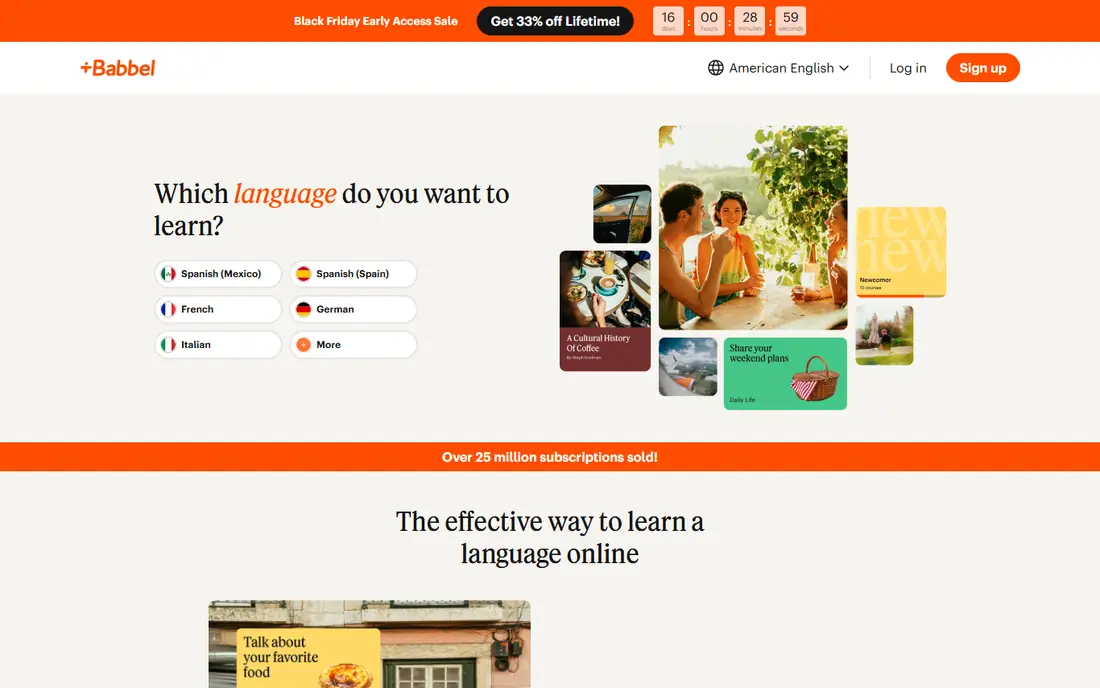
Babbel is our pick for learners who want to understand Russian, not just repeat it. Its lessons explain the six cases in plain language, introduce vocabulary in real-life contexts such as travel, work and food, and keep lessons to about 10 to 15 minutes. That structure helps beginners who feel lost in a purely gamified app.
The limits appear as you advance. Babbel Russian does not go as deep as some of its larger language courses, and its speech recognition is simpler than a tutor's feedback. For a solid foundation up to an intermediate level, however, Babbel is a dependable and well-organised choice.
- Clear grammar explanations
- Short practical lessons
- Russian course built for English speakers
- Course depth is limited at advanced levels
- Speaking feedback is basic
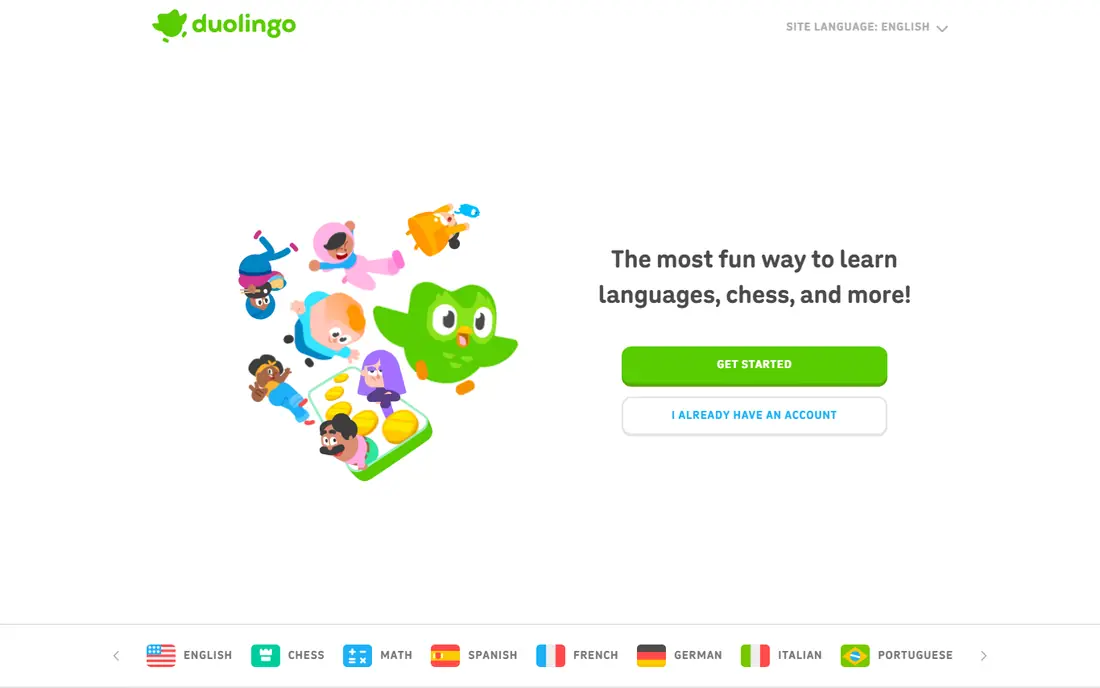
Duolingo is the easiest way to start Russian for free. Short, game-like lessons introduce the Cyrillic alphabet, basic vocabulary and simple sentences, and streaks help many learners practise daily. If cost is the barrier, Duolingo removes it, and it works well as a first step.
Russian grammar is where Duolingo feels thin. The case system, which changes word endings by role in a sentence, gets less explicit explanation than in Babbel, and some vocabulary choices feel less practical. Use Duolingo to build a habit, then add a grammar-focused app or tutor for deeper understanding.
- Free core course
- Gamified streaks keep habits alive
- Cyrillic alphabet introduction
- Light on case explanations
- Free version has ads and energy limits

Pimsleur suits learners who want to speak Russian while driving, walking or doing chores. Its audio lessons ask you to respond aloud, repeat phrases at spaced intervals, and build sentences gradually. That method helps pronunciation and recall in a way that tapping on a screen does not always achieve.
Reading and writing get less attention, so you will need extra work on Cyrillic if literacy matters to you. The monthly price is also higher than Duolingo or Babbel. For audio-first learners and travellers who need spoken Russian quickly, Pimsleur is a strong investment.
- Strong speaking and listening focus
- Spaced repetition
- Hands-free lessons
- Higher monthly price
- Less reading and writing practice
Rosetta Stone teaches Russian through images, audio and context rather than English explanations. You learn words by seeing and hearing them used, which suits visual learners and those who prefer to absorb a language naturally. Its speech recognition gives pronunciation feedback, and a lifetime plan can be good value if you stick with it.
Analytical learners may find the lack of grammar rules frustrating, especially for Russian cases. If you want to know why an ending changes, you will need a supplementary grammar resource. Rosetta Stone works best as an immersion companion alongside a structured course.
- Immersion method without translation
- Speech recognition
- Lifetime option often available
- No explicit grammar explanations
- Can feel slow for analytical learners
Busuu combines structured lessons with feedback from native speakers, which is valuable for Russian pronunciation and writing. You can submit exercises for correction, review other learners' work, and follow a course that moves from beginner to intermediate levels. The free tier lets you try the method before paying.
Russian is not one of Busuu's deepest courses, and Premium is needed for offline access and full grammar features. Still, the community feedback sets Busuu apart from apps that only offer automated scoring, and it is a good second app for learners who want human corrections.
- Free basic course
- Native speaker corrections
- Structured levels
- Russian content is less extensive than major languages
- Best features need Premium
Memrise is best used as a vocabulary builder. Its spaced repetition and mnemonic techniques help you remember Russian words, and video clips show how native speakers actually say phrases. That exposure to real speech is useful for a language where stress and pronunciation can change meaning.
Memrise alone will not teach you Russian grammar in depth, and it works best alongside Babbel, Pimsleur or a tutor. If your main problem is forgetting words, Memrise is a practical and enjoyable supplement that fits into short daily sessions.
- Strong memory techniques
- Video clips of native speakers
- Free basic access
- Not a full grammar course
- Paid features vary by plan
Mondly offers bite-sized Russian lessons that fit easily into a busy day. You practise vocabulary, phrases and simple conversations, with speech recognition to check pronunciation. Its daily lessons and review features help keep a habit alive when longer study sessions are hard to fit in.
Depth is the trade-off. Mondly is better for building basic phrases and confidence than for mastering cases or complex sentences. It works well as a warm-up app or a travel companion, paired with a more structured course for serious progress.
- Short daily lessons
- Speech recognition
- Augmented reality features on some devices
- Lessons can feel shallow
- Grammar depth is limited
LingQ takes a different approach: learn Russian by reading and listening to real content. You can work through stories, news and podcasts, tap unknown words to save them, and review vocabulary in context. Importing your own texts lets you study topics you actually care about, which keeps motivation higher.
Absolute beginners may find LingQ less guided than Duolingo or Babbel, since it assumes some basic vocabulary to start reading. Once you know the alphabet and a few hundred words, however, LingQ is one of the best ways to move from textbook Russian to real Russian.
- Real texts and audio
- Vocabulary tracking
- Import your own content
- Interface can feel complex
- Less hand-holding for absolute beginners
italki connects you with Russian tutors for one-to-one video lessons, which is the fastest way to fix pronunciation and practise cases in conversation. You can choose a professional teacher for structured lessons or a community tutor for cheaper conversation practice, and you pay per lesson rather than a monthly subscription.
Tutor quality varies, so read reviews, try trial lessons and be clear about your goals. italki is not an app course in the usual sense, but for learners who have hit a plateau with apps alone, a weekly tutor session often makes the biggest difference.
- Real conversation with tutors
- Flexible pricing per lesson
- Community tutors and professional teachers
- Quality varies by tutor
- You must schedule and pay per lesson
Preply offers a similar tutor marketplace with a large choice of Russian teachers, trial lessons and filters for price, availability and speciality. That choice helps if you need a tutor for business Russian, exam preparation or heritage learning, rather than general conversation.
Prices vary by tutor, and the platform's package model means you should check how lessons are billed before committing. Like italki, Preply is best used alongside an app, so you arrive at lessons with vocabulary and grammar questions ready to practise.
- Large tutor marketplace
- Trial lessons
- Structured learning plans on some tutor profiles
- Prices vary widely by tutor
- Subscription model can lock you into a package
How we picked these
We compared official course pages, pricing pages and language learning guides, and we required each app to offer a genuine Russian course or Russian tutors, not just a phrase list. We favoured apps with clear pricing, a free trial or free tier where available, and a distinct strength, whether grammar, audio, reading or conversation. We did not claim hands-on testing, and prices should be confirmed on the vendor site, since they vary by plan length and region.
How to learn Russian with an app
Learn the Cyrillic alphabet first, since it opens up reading and pronunciation. Spend a few days on letters and sounds before worrying about cases, and practise writing words by hand or typing them. That early effort pays off in every later lesson, because you will recognise words instead of guessing from transliteration.
Next, build a daily routine you can keep: one core app for grammar, one tool for vocabulary, and a short listening habit such as a podcast or LingQ text. Add speaking early, even if it feels awkward, because Russian cases only become natural when you use them aloud. A weekly tutor session, even a short one, helps correct mistakes before they become habits.
Dealing with cases and pronunciation
Russian cases change noun endings depending on their role, which feels strange at first but follows patterns. Learn one case at a time, with examples you actually use, rather than memorising tables in isolation. For pronunciation, pay attention to word stress and soft consonants, and record yourself to compare with native audio. Apps help, but a tutor can spot errors that automated scoring misses.
Sources
Frequently asked questions
What is the best app to learn Russian for beginners?
Babbel is our pick for beginners who want clear grammar explanations, while Duolingo is the best free starting point. Start with Duolingo if cost matters, and add Babbel if you want to understand cases properly. Learn the Cyrillic alphabet in the first week, whichever app you choose.
Can I learn Russian for free?
Yes, Duolingo, Busuu, Memrise, Mondly and LingQ all offer free tiers that cover basic Russian. Free plans usually limit lessons, offline access or advanced features, and they work best when combined. For speaking practice, free language exchange communities can supplement apps, though tutor lessons cost extra.
How long does it take to learn Russian?
It depends on your target level and study time. Reaching basic conversation usually takes several months of regular study, while intermediate fluency takes a year or more for most English speakers. Russian is rated as a harder language for English speakers because of cases, verb aspects and vocabulary, so steady daily practice matters more than occasional long sessions.
Is Duolingo good for Russian?
Duolingo is good for building a habit, learning the alphabet and basic vocabulary for free. It is weaker on grammar explanation, especially cases, and on practical conversation. Many learners use Duolingo alongside Babbel, Pimsleur or a tutor to fill those gaps.
Do I need a tutor to learn Russian?
You do not need a tutor to start, but a tutor helps a lot once you want to speak confidently. Apps teach vocabulary and grammar, while a tutor corrects pronunciation, explains case usage in context and gives you real conversation practice. Even one lesson a week can speed progress noticeably.
Is Russian hard to learn?
Russian has challenges, including six cases, verb aspects and a new alphabet, but it also has regular patterns and many international words. The alphabet takes only a few days to learn, and cases become easier with practice in context. A structured app plus speaking practice makes the difficulty manageable.