Best Cell Phone Service Provider in 2026: 10 Providers Compared
By ToolNimba Editorial Team November 9, 2026 10 min read

- Top pick
 Verizon
Widest rural coverage
Starting priceSee websiteCheck out VerizonRead our review - Runner-up
 T-Mobile
5G coverage and perks
Starting priceSee websiteCheck out T-MobileRead our review - Also great
 AT&T
Families on postpaid
Starting priceSee websiteCheck out AT&TRead our review
How we researched this
We compared official pricing and feature pages, app store listings, privacy policies and public user reviews. Prices change, so check the provider's site before you pay.
Key takeaways
- Verizon is our pick for the widest rural coverage, while T-Mobile leads on 5G speed and coverage in many cities.
- US Mobile and Visible offer the strongest value for single lines, often with taxes included.
- AT&T suits families that want a simple tiered postpaid plan and broad national coverage.
- Check coverage at your home, workplace and commute before choosing, since national maps hide local dead spots.
- Prepaid plans usually include taxes and need no contract, while postpaid plans add perks, financing and priority data.
Quick comparison
| Name | Best for | Starting price | Free plan | |
|---|---|---|---|---|
| Verizon | Widest rural coverage | See website | No | Visit |
| T-Mobile | 5G coverage and perks | See website | No | Visit |
| AT&T | Families on postpaid | See website | No | Visit |
 US Mobile | Best value single lines | $25 per month | No | Visit |
 Visible | Simple Verizon network value | $25 per month | No | Visit |
 Mint Mobile | Low-cost prepaid bundles | See website | No | Visit |
 Cricket Wireless | AT&T network prepaid | See website | No | Visit |
 Metro by T-Mobile | T-Mobile network prepaid | See website | No | Visit |
 Consumer Cellular | Simple plans for older users | See website | No | Visit |
 Google Fi | Flexible and international use | See website | No | Visit |
The best cell phone service providers
We compared carrier plan pages, pricing guides and coverage claims to find providers that serve US consumers well in 2026, from major postpaid carriers to low-cost prepaid brands.
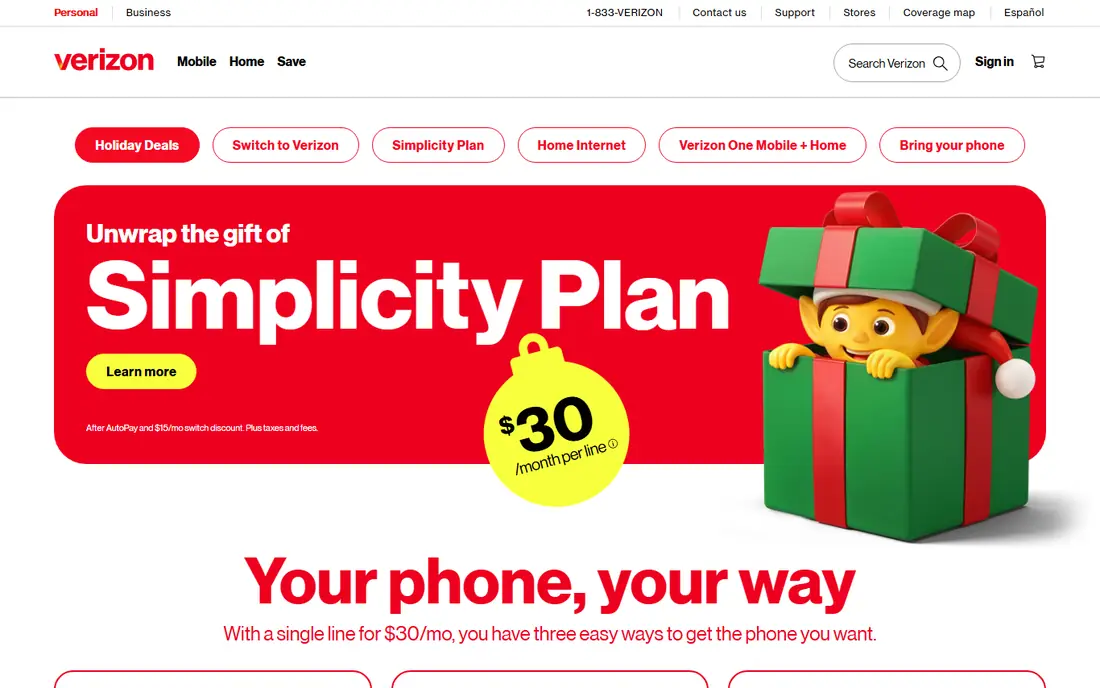
Verizon remains the default choice when coverage matters more than price. Its network reaches many rural areas where smaller carriers struggle, and its premium plans offer generous priority data and hotspot allowances. For travellers, rural workers and families who need service in varied locations, that reliability is worth paying for.
The drawback is cost. Verizon postpaid plans are among the most expensive, and taxes and fees are added on top of the advertised price. Check the current plan page for the exact single-line and multi-line prices, and confirm whether a discount requires AutoPay.
- Broad national and rural coverage
- Strong premium data options
- Large retail and support network
- Higher prices than prepaid rivals
- Plan names and perks change often
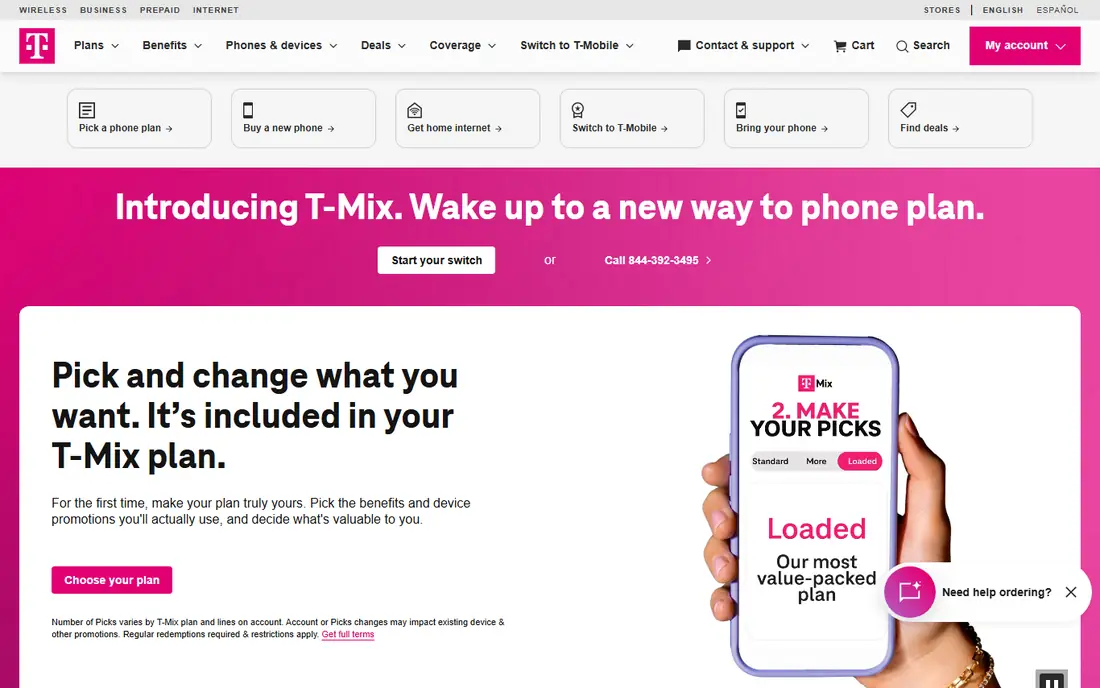
T-Mobile has built a strong case on 5G, with broad mid-band coverage that often delivers fast speeds in cities and suburbs. Higher plans add perks such as streaming bundles and generous hotspot data, which can offset a higher monthly price if you would pay for those services anyway. Its family pricing is also competitive when several lines share a plan.
Rural coverage has improved, but it still trails Verizon in some remote areas, so check coverage where you live and travel. Plan names change regularly, so compare the current tiers on the T-Mobile site rather than relying on an older plan name.
- Strong 5G coverage
- Perks on higher plans
- Price lock promises on some plans
- Rural coverage can lag Verizon in some areas
- Plan tiers can be confusing
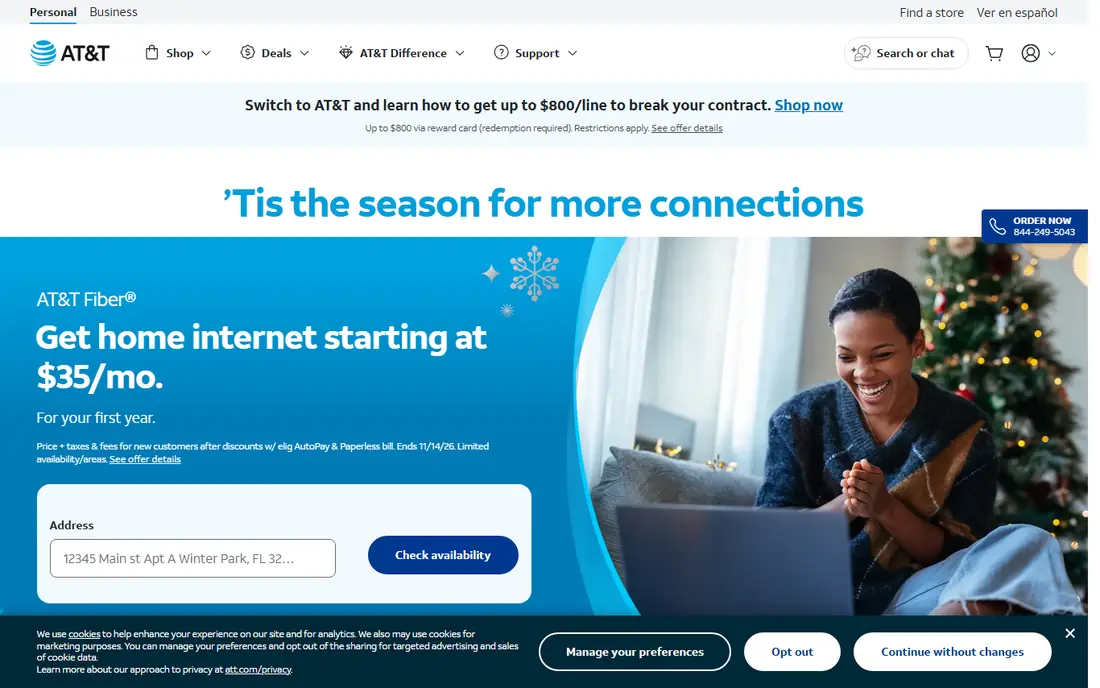
AT&T sits between Verizon and T-Mobile for many buyers: broad coverage, a clear set of tiered plans and better multi-line pricing than its single-line prices suggest. Families that share a plan and want premium data and hotspot allowances will find the middle and upper tiers appealing, especially with AutoPay discounts.
Single users pay a premium for that postpaid experience, and the final bill includes taxes and fees. If you only need one line, a prepaid brand on the AT&T network may give you similar coverage for less, though with fewer perks and less priority data.
- Broad national coverage
- Simple tiered plans
- Good multi-line value
- Single-line prices are high
- Taxes and fees are added to postpaid bills
US Mobile has become a favourite for value seekers because its prices include taxes and fees, which makes the monthly cost easy to compare. You can choose between networks, manage lines in a simple app, and avoid a contract. Its unlimited starter plan is priced well below major carrier single-line plans.
Cheaper plans may be deprioritised during congestion, meaning speeds can slow when a network is busy. Premium plans add priority data for a higher price. For most single-line users who want a low, predictable bill, US Mobile is our value pick.
- Taxes and fees included
- Choice of networks
- No contract required
- Data can be deprioritised on cheaper plans
- Perks are thinner than postpaid
Visible keeps the choice simple: a small number of plans, all on the Verizon network, with taxes and fees included. That simplicity appeals to people who do not want to compare dozens of tiers or visit a store. The base plan covers everyday use well, and the higher plan adds unlimited priority data and faster hotspot speeds.
Support is mainly online, which suits confident users but may frustrate anyone who prefers in-store help. Visible is a strong pick if you want Verizon coverage without Verizon postpaid prices, and you are happy managing your account in an app.
- Simple plans
- Taxes and fees included
- Runs on the Verizon network
- No physical stores
- Premium data costs more on the base plan
Mint Mobile rewards commitment. By paying for three, six or twelve months upfront, you can cut the monthly cost well below major carrier prices. It runs on the T-Mobile network, so coverage and 5G performance will feel familiar to T-Mobile users in most cities.
The catch is the upfront payment and deprioritisation. If you leave early or need the fastest speeds during congestion, the savings may feel less appealing. Mint suits budget users who know their usage, are happy to prepay, and live where T-Mobile coverage is strong.
- Low prices when you prepay for months
- Runs on the T-Mobile network
- Simple online signup
- Best prices require bulk prepayment
- Data is deprioritised in busy areas
Cricket Wireless offers a middle path: prepaid simplicity with the backing of AT&T and a network of physical stores. Taxes and fees are included in most plan prices, which makes budgeting easier, and family plans bring the per-line cost down. It is a practical choice for users who want in-store help without a postpaid contract.
Some plans cap video speeds or limit hotspot data, so read the plan details before choosing. Cricket is best for AT&T coverage fans who want a straightforward prepaid bill and do not need the fastest premium data.
- Runs on the AT&T network
- Taxes and fees included
- Stores across the US
- Speeds can be capped on some plans
- Premium features cost more
Metro by T-Mobile brings T-Mobile network access to prepaid buyers, with stores for those who want face-to-face help. Plans include taxes and fees, and multi-line discounts make it a reasonable family option. For city and suburban users on the T-Mobile network, coverage and speeds are generally strong.
As with other prepaid brands, data may be deprioritised during congestion, and the cheapest plans have smaller hotspot allowances. Metro suits users who want T-Mobile service, a physical store nearby, and no contract.
- Runs on the T-Mobile network
- Taxes and fees included
- In-store support
- Data can be deprioritised
- Higher plans needed for the best perks
Consumer Cellular is built around simplicity. Plans are easy to understand, support is a selling point, and there is no contract to worry about. It suits users who want a phone that just works, who use modest data, and who value being able to reach a person for help.
Heavy data users may find the cheaper plans limiting, and the brand offers fewer streaming perks than major carriers. For light to moderate users, especially older users who prefer clear pricing and helpful support, Consumer Cellular is a strong, low-stress choice.
- Simple plans
- US-based support reputation
- No contract
- Smaller data allowances on cheap plans
- Fewer premium perks
Google Fi stands out for travellers and flexible users. Its flexible plan charges for the data you use, while its unlimited plans suit heavier users, and international roaming is a core strength rather than an add-on. The app-based setup is simple, and billing is easy to follow.
The experience is smoothest on Pixel phones, though many other phones work with Fi. Coverage relies on partner networks, so check performance in your area. Google Fi is our pick for frequent travellers and users who want data billing that matches actual use.
- Flexible data billing
- Strong international roaming
- Simple plan structure
- Best experience on Pixel phones
- Coverage depends on partner networks
How we picked these
We compared official carrier plan pages, recent pricing guides and coverage information, and we included both major postpaid carriers and prepaid brands that run on their networks. We favoured providers with clear current plans, broad US coverage and a track record of service in 2026. We did not claim hands-on network testing, and prices change often, so confirm the current plan page and your address coverage before switching.
How to choose a provider
Start with coverage, not price. Ask friends or neighbours on each network about service at your home and workplace, and check carrier coverage maps for your commute and travel routes. A cheap plan is poor value if calls drop where you live. Next, look at your real data use over the past few months, since many people pay for unlimited data they never use.
Then compare the total bill, not the headline price. Postpaid plans often add taxes and fees, while prepaid plans usually include them. Check whether a price requires AutoPay, a multi-line discount or a new-line promotion, and note when a promotional price ends. Finally, confirm that your phone is compatible and not tied to a carrier, and ask about the return window if coverage disappoints.
Switching without losing your number
Keep your old service active until the port is complete, and have your account number and transfer PIN ready. Most ports finish within a day, though some take longer. Back up contacts and messages first, and test calls, texts and data on the new SIM or eSIM before cancelling the old plan. If you financed a phone, check whether switching triggers a payoff.
Sources
Frequently asked questions
Which cell phone provider has the best coverage?
Verizon is widely regarded as the leader for rural coverage, while T-Mobile leads on 5G coverage in many urban and suburban areas. AT&T offers broad national coverage that suits most users. Local coverage matters more than national rankings, so check service at the places you use your phone most.
Is prepaid better than postpaid?
Prepaid is usually cheaper, includes taxes, and needs no contract or credit check. Postpaid adds priority data, device financing, in-store support and perks such as streaming bundles. Choose prepaid for value and flexibility, and postpaid if you want premium data, perks and financing in one bill.
Can I keep my phone number when I switch?
Yes, in most cases you can port your number to a new provider. Keep the old account active, provide the account number and transfer PIN, and wait for the port to finish before cancelling. Do not cancel first, or you may lose the number.
Do I need unlimited data?
Check your actual use in your phone settings or past bills. Many users use under 10GB a month, in which case a capped plan saves money. Unlimited suits heavy video users, hotspot users and families sharing one plan. A flexible plan can also work if your use varies month to month.
What does deprioritised data mean?
Deprioritised data means your speeds may slow during network congestion, when higher-priority customers get bandwidth first. It does not mean a hard cap, and speeds often return to normal when congestion eases. If you rely on your phone during busy events or in crowded areas, a premium plan may be worth it.
Are taxes included in the advertised price?
It depends on the provider. Prepaid brands such as Visible, US Mobile, Mint Mobile, Cricket and Metro usually include taxes and fees. Major postpaid carriers usually add taxes and fees to the advertised price, so the final bill is higher. Always check the total monthly cost before comparing plans.