Best DeFi Copy Trading Platforms in 2026: 8 Platforms Compared
By ToolNimba Editorial Team November 10, 2026 9 min read

- Top pick
 dHedge
On-chain manager vaults with visible trades
Starting priceSee websiteCheck out dHedgeRead our review - Runner-up
 DeXe Network
Following vetted traders by strategy
Starting priceSee websiteCheck out DeXe NetworkRead our review - Also great
 Enzyme Finance
Custody-retaining vault strategies
Starting priceSee websiteCheck out Enzyme FinanceRead our review
How we researched this
We compared official pricing and feature pages, app store listings, privacy policies and public user reviews. Prices change, so check the provider's site before you pay.
Key takeaways
- In DeFi, copy trading usually works through vaults, where you deposit into a manager strategy and receive tokens that track it.
- Managers generally cannot withdraw your deposit, but they can trade it within set rules, and smart contract bugs remain a real risk.
- Fees vary by vault and chain, and gas costs on some networks can eat small deposits, so check total cost before depositing.
- Past returns never guarantee future returns, and a strategy that did well in a rising market can lose fast when conditions change.
Quick comparison
| Name | Best for | Starting price | Free plan | |
|---|---|---|---|---|
| dHedge | On-chain manager vaults with visible trades | See website | No | Visit |
| DeXe Network | Following vetted traders by strategy | See website | No | Visit |
| Enzyme Finance | Custody-retaining vault strategies | See website | No | Visit |
 Sommelier Finance | Automated strategy vaults | See website | No | Visit |
 ApeX Omni Vaults | Perpetuals vaults on a decentralized exchange | See website | No | Visit |
 dYdX Vaults | Market-making vault deposits | See website | No | Visit |
 Yearn Finance | Yield strategy vaults | See website | No | Visit |
 Toros Finance | Tokenized geared strategy vaults | See website | No | Visit |
The best DeFi copy trading platforms
DeFi copy trading is different from copy trading on a centralized exchange. Instead of an exchange copying trades into your account, you usually deposit crypto into a smart contract vault run by a manager or an automated strategy. Your deposit buys vault tokens, and the vault trades under rules set in code. This is not financial advice, and trading carries risk, including total loss from market moves, liquidations, and smart contract failures. Only use funds you can afford to lose, and start small while you learn how vaults work.
dHedge is one of the clearest DeFi-native examples of copy trading through vaults. You deposit into a manager pool and receive tokens that track the pool, while the manager trades within the vault rules. Because activity is on chain, you can inspect holdings and trades rather than trusting a screenshot or a leaderboard claim.
The risk is manager choice. A vault with a strong recent run can still lose money, and fees differ by pool. Check the vault history over different market conditions, read the fee terms, and confirm which assets and protocols the vault can use before depositing. Treat any vault with no history as high risk.
- Manager trades are visible on chain
- Managers cannot withdraw investor funds
- Vault tokens track strategy value
- Vault quality varies widely by manager
- Fees and performance differ per vault, so research is essential
DeXe is a decentralized social trading network where expert traders publish strategies and followers allocate funds to copy them. Smart contracts hold follower funds, so a strategist trades the strategy but does not take custody of your deposit in the usual exchange sense. On-chain transparency lets followers check trades and history before joining.
The catch is that copying a strategy is not the same as copying a result. Entry timing, fees, and market moves mean your return can differ from the strategist's headline return. Start with a small allocation, watch how the strategy behaves in a down move, and leave if the risk level no longer fits you.
- Traders, called strategists, publish strategies followers can copy
- Trades are transparent on chain
- Token-holder governance
- Strategy quality varies, and follower returns depend on timing and fees
- Newer users may find DAO and token details confusing
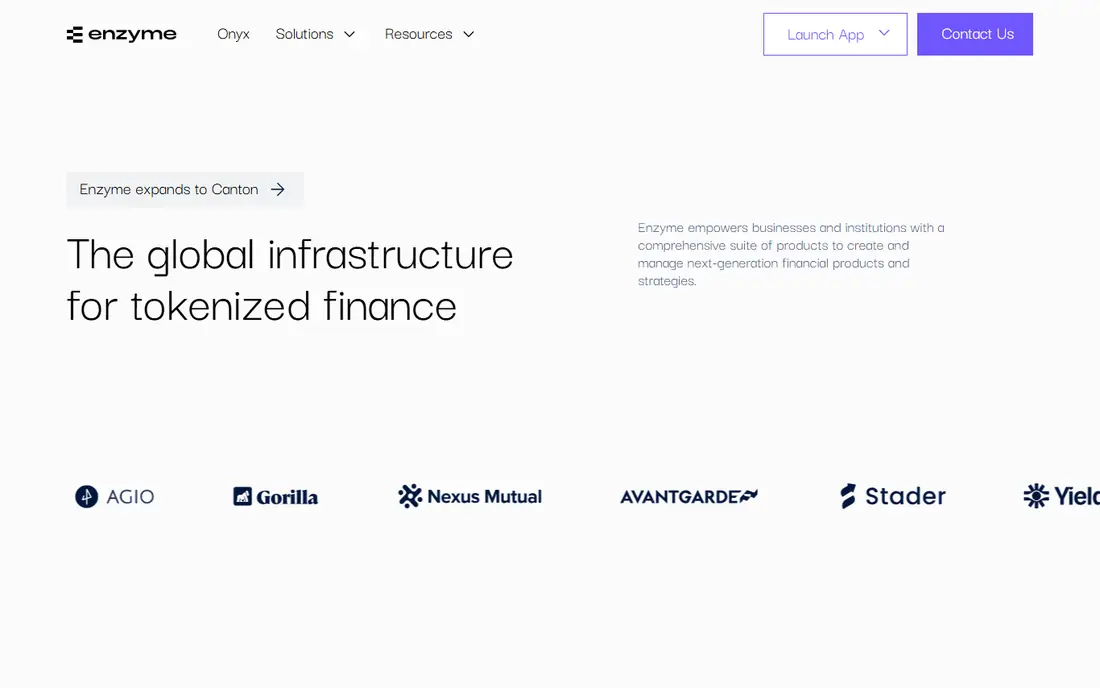
Enzyme lets managers run on-chain vaults while investors keep custody in the sense that assets stay in the vault contract, not in a manager wallet. Investors can browse vaults, filter by assets and risk, and check performance and composition before depositing. That transparency is a real advantage over opaque managed accounts.
Enzyme still requires care. Vaults differ in assets, borrowed-funds use, and fee terms, and a vault that uses lending or derivatives can lose value fast. Read the vault policy, check what protocols it touches, and confirm exit terms and fees. Enzyme is best for users who already understand wallets, gas, and DeFi basics.
- Vault managers trade without taking custody of assets
- Strategies can be filtered by assets, risk, and performance
- Audited smart contracts
- Vault fees and strategies vary widely
- DeFi knowledge is needed to judge a vault safely
Sommelier offers strategy vaults that follow automated rules, rather than asking you to pick a human trader to copy. That suits users who prefer a stated strategy, such as trend or yield strategies, over following a personality. Automation also removes the need to watch a trader and copy each move by hand.
Automation has its own risks. A rule that worked in one market regime can fail in another, and rebalancing can incur fees and slippage. Check the strategy description, its history across market types, and which chain it runs on, since bridging assets adds steps and risk.
- Automated strategies rebalance without manual trading
- Vault approach suits users who prefer rules over personalities
- Automated does not mean safe, and strategies can underperform in fast markets
- Chain and bridge details matter
ApeX Omni Vaults bring copy-style trading to a decentralized perpetuals exchange. Vault creators run a strategy, investors deposit into the vault contract, and the trader earns a share of profits while investors keep the rest, under the stated split. Open positions and performance are visible, which helps investors judge a vault.
Perpetuals add borrowed-funds risk that spot vaults do not carry in the same way. A geared position can be liquidated, and vault value can fall sharply in a volatile move. Only consider these vaults if you understand perpetuals, borrowed funds, and liquidation, and size any deposit as high-risk capital.
- Vault traders run strategies with investor funds locked in contracts
- Performance and open positions are visible
- Trader profit share is stated
- Perpetuals trading carries liquidation risk
- Vault returns can be volatile and hard to predict
dYdX Vaults let users deposit into vaults that run market-making strategies, rather than following one trader trade by trade. That distinction matters, and we include dYdX here because many DeFi users treat vault deposits as the decentralized form of following a strategy. The exchange documents how vaults work, which helps users judge the mechanics.
Market-making returns depend on volume, spreads, and market direction, and they are not steady income. A vault can lose value in a strong trend or a sharp move. Treat dYdX Vaults as strategy exposure, not as a trader you can message or a return you can count on.
- Vault deposits fund market-making strategies on a known decentralized exchange
- Vault mechanics are documented
- This is strategy vault investing, not copying a named trader
- Returns depend on market conditions and vault design
Yearn is a yield vault platform, not a trader-copying service in the narrow sense, but it fits this list because users deposit into a strategy and let it run, which is how many DeFi users follow a strategy. Vaults automate steps such as lending, liquidity provision, and reward harvesting that would take many manual transactions.
Yield is not interest from a bank, and it is not guaranteed. Underlying protocols can fail, rewards can drop, and vault tokens can lose value. Check the strategy, its underlying protocols, and its fee terms, and avoid vaults whose yield source you cannot explain in plain terms.
- Long-running DeFi yield vaults
- Strategies automate yield farming steps
- Vault tokens track your share
- Yield strategies carry smart contract and protocol risk
- Yields vary and can fall fast
Toros packages geared and yield strategies into tokens that users can buy and hold. That token format makes strategy exposure simpler to hold than managing positions by hand, and it suits users who want a defined strategy without running a vault themselves. Vault and token terms are published for each product.
Borrowed funds are the warning here. Geared tokens can decay in sideways, choppy markets even if the underlying asset ends flat, because rebalancing costs add up. Read the token mechanics, check the geared level, and treat these tokens as short-to-medium-term trading tools, not as buy-and-hold savings.
- Tokenized vaults make strategy exposure easy to hold and transfer
- Geared strategies are packaged in a token
- Geared tokens can lose value fast in choppy markets
- Token mechanics need careful reading before buying
How we picked these
We compared protocol docs, vault mechanics, and public descriptions, and we kept platforms where users deposit into a smart contract vault or copy a published on-chain strategy, rather than handing funds to a centralized exchange account. We favored platforms with visible trades or strategies, stated fee terms, and documented vault rules. We marked pricing as See website because costs are vault fees, protocol fees, and network gas, not a monthly subscription, and they vary by vault and chain. This guide is general information, not financial advice.
How to use a DeFi copy vault safely
Start with custody and contracts before returns. Confirm that funds sit in a smart contract, that the manager cannot withdraw them, and that the contract has audits you can read. A high advertised return means little if the contract terms are unclear.
Size, fees, and exits
Use a small test deposit first, and check the full cost: vault fees, performance fees, and gas to enter and exit. Confirm how and when you can withdraw, since some vaults have lock periods, exit fees, or withdrawal windows. If you cannot exit cleanly, do not enter with a large amount.
Judge a strategy over time
Look at performance in rising, falling, and flat markets, not just the best month. Check drawdowns, meaning the largest fall from a peak, and ask what caused them. A strategy with no down months in crypto is either very new, very lucky, or not showing the full picture.
Sources
Frequently asked questions
Is DeFi copy trading safer than centralized copy trading?
Not automatically. DeFi removes exchange custody risk, but it adds smart contract risk, gas costs, and self-custody responsibility. A centralized platform has its own custody and counterparty risks, so neither route is safe by default.
Do I keep control of my funds in a DeFi vault?
In most vault models, funds sit in a smart contract and the manager can trade but cannot withdraw your deposit. You still face market, liquidation, and contract risks, and you must keep your own wallet keys safe.
What fees do DeFi copy trading vaults charge?
Fees vary by vault and may include management fees, performance fees, and network gas. Always read the vault terms for the exact fee split before depositing, since headline returns often show results before fees.
Can I lose all my money in a DeFi copy vault?
Yes. Market losses, geared-position liquidations, protocol failures, and smart contract bugs can all cause large or total losses. Only deposit funds you can afford to lose, and diversify rather than placing everything in one vault.
Do I need a crypto wallet to use these platforms?
Yes. You need a self-custody wallet, funds on the correct chain, and enough native tokens to pay gas. Keep your seed phrase private and offline, and never share it with a trader, support agent, or website.