Best IRA Companies in 2026: 9 Options Compared
By ToolNimba Editorial Team November 9, 2026 12 min read

- Top pick
 Fidelity
Best overall IRA for most investors
Starting priceFreeCheck out FidelityRead our review - Runner-up
 Charles Schwab
Full-service IRA with strong support
Starting priceFreeCheck out Charles SchwabRead our review - Also great
 Vanguard
Low-cost index investing for buy-and-hold savers
Starting priceFreeCheck out VanguardRead our review
How we researched this
We compared official pricing and feature pages, app store listings, privacy policies and public user reviews. Prices change, so check the provider's site before you pay.
Key takeaways
- Fidelity and Schwab are the strongest all-round picks, with no account minimum and commission-free stock and ETF trades.
- Vanguard suits buy-and-hold index investors who want low-cost funds and simple portfolios.
- Betterment and Wealthfront suit hands-off investors, but both charge an annual advisory fee of 0.25 percent.
- This is not financial advice. Tax rules and contribution limits change, so check current IRS limits and your own situation before you contribute.
Quick comparison
| Name | Best for | Starting price | Free plan | |
|---|---|---|---|---|
| Fidelity | Best overall IRA for most investors | Free | Yes | Visit |
| Charles Schwab | Full-service IRA with strong support | Free | Yes | Visit |
| Vanguard | Low-cost index investing for buy-and-hold savers | Free | Yes | Visit |
 Betterment | Automated IRA investing and planning | 0.25% per year | Yes | Visit |
 Wealthfront | Automated investing with planning tools | 0.25% per year | Yes | Visit |
 Merrill Edge | Bank of America customers who want branches | Free | Yes | Visit |
 E*TRADE | Active investors who want strong tools | Free | Yes | Visit |
 SoFi | Mobile-first IRA with a contribution match | 0.25% per year | Yes | Visit |
 Robinhood | Mobile-first IRA for small starters | Free | Yes | Visit |
The best IRA companies
An IRA is a tax-advantaged retirement account, not an investment itself. The company you choose sets your fees, your investment choices, and how much help you get. Self-directed brokerages suit readers who want control, while robo-advisors suit readers who want a managed portfolio.

For readers who want best overall ira for most investors, Fidelity is a natural place to start. Fidelity combines a broad investment range with no minimum and no commission on most stock and ETF trades. That makes it a strong default for both new and experienced IRA savers. That focus matters because it shapes what you see each day, what you pay for, and what you can skip. We compared its official feature and pricing pages with what other users report, and the picture is consistent: the core tools work as described, while the extras vary in value.
The platform is large, so beginners may need time to find the simplest path. Start with a broad index fund or a target-date fund if you do not want to pick individual holdings. Before you commit, check the current price at checkout, read the cancellation terms, and try the free tier or trial if one is offered. If the fit feels right, it is a sensible pick. If it feels forced, move on rather than paying for features you will not use.
- No account minimum
- Commission-free stock and ETF trades
- Wide IRA types
- Advanced tools can overwhelm beginners
- Managed Fidelity Go costs 0.35 percent above $25,000

Charles Schwab suits readers who put full-service ira with strong support first, and it shows in how the service is set up. Schwab pairs a full brokerage IRA with a no-fee robo option, plus phone and branch support. That mix suits readers who want digital tools and a human to talk to. That focus matters because it shapes what you see each day, what you pay for, and what you can skip. We compared its official feature and pricing pages with what other users report, and the picture is consistent: the core tools work as described, while the extras vary in value.
The robo portfolio holds a cash allocation that some investors see as drag. If you want every dollar invested, a self-directed Schwab IRA may suit you better. Before you commit, check the current price at checkout, read the cancellation terms, and try the free tier or trial if one is offered. If the fit feels right, it is a sensible pick. If it feels forced, move on rather than paying for features you will not use.
- No account minimum
- Commission-free trades
- Schwab Intelligent Portfolios with no advisory fee
- Intelligent Portfolios needs a $5,000 minimum and holds cash
- Branch help varies by location
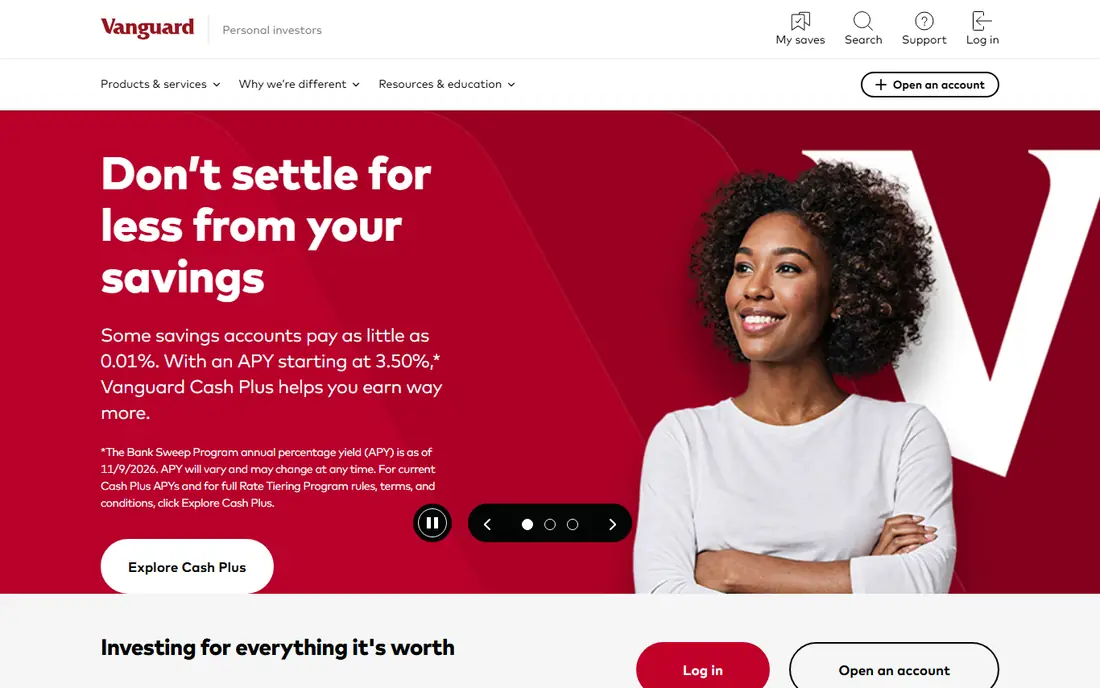
If low-cost index investing for buy-and-hold savers is your main goal, Vanguard deserves a close look before you pay anywhere else. Vanguard built its name on low-cost index investing, and its IRA still reflects that. Target-date funds give hands-off savers a single-fund portfolio that adjusts over time. That focus matters because it shapes what you see each day, what you pay for, and what you can skip. We compared its official feature and pricing pages with what other users report, and the picture is consistent: the core tools work as described, while the extras vary in value.
The experience is less polished than Fidelity or Schwab, and mutual fund minimums can trip up small starters. ETFs have no such minimum, which is an easy workaround. Before you commit, check the current price at checkout, read the cancellation terms, and try the free tier or trial if one is offered. If the fit feels right, it is a sensible pick. If it feels forced, move on rather than paying for features you will not use.
- Low-cost index funds and ETFs
- Target-date funds
- No commission on online trades
- Website and app feel dated
- Some mutual funds need $1,000 or more
- Service waits reported
Betterment takes a different route to automated ira investing and planning, which is part of its appeal. Betterment manages the portfolio for you, rebalances automatically, and shows whether your retirement plan is on track. That suits readers who want to set a contribution and stop worrying. That focus matters because it shapes what you see each day, what you pay for, and what you can skip. We compared its official feature and pricing pages with what other users report, and the picture is consistent: the core tools work as described, while the extras vary in value.
The fee is small in percentage terms but real over decades, and small balances without regular deposits can face a $4 monthly fee. Compare that cost with a single low-cost fund at Fidelity or Vanguard. Before you commit, check the current price at checkout, read the cancellation terms, and try the free tier or trial if one is offered. If the fit feels right, it is a sensible pick. If it feels forced, move on rather than paying for features you will not use.
- Automated ETF portfolios
- Retirement planning tools
- Tax-loss harvesting
- 0.25 percent advisory fee
- $4 a month on small balances without recurring deposits
- No direct stock trading
Readers focused on automated investing with planning tools will find Wealthfront easy to understand from the first visit. Wealthfront offers a managed portfolio with tax-loss harvesting and planning tools, aimed at readers who want automation without picking funds. That focus matters because it shapes what you see each day, what you pay for, and what you can skip. We compared its official feature and pricing pages with what other users report, and the picture is consistent: the core tools work as described, while the extras vary in value.
The $500 minimum and the annual fee mean it is not the cheapest path for a tiny starter balance. A self-directed IRA with a broad ETF can cost less if you are comfortable choosing it. Before you commit, check the current price at checkout, read the cancellation terms, and try the free tier or trial if one is offered. If the fit feels right, it is a sensible pick. If it feels forced, move on rather than paying for features you will not use.
- Automated ETF portfolios
- Tax-loss harvesting
- Financial planning tools
- $500 minimum
- 0.25 percent advisory fee
- Limited human advice
Merrill Edge is best judged on one question: does it deliver bank of america customers who want branches without extra fuss. For Bank of America customers, Merrill Edge keeps banking and retirement in one login, with branches for in-person help. That convenience matters to many savers. That focus matters because it shapes what you see each day, what you pay for, and what you can skip. We compared its official feature and pricing pages with what other users report, and the picture is consistent: the core tools work as described, while the extras vary in value.
If you do not bank with Bank of America, the main advantage fades. Compare its fund range and tools with Fidelity before choosing on brand alone. Before you commit, check the current price at checkout, read the cancellation terms, and try the free tier or trial if one is offered. If the fit feels right, it is a sensible pick. If it feels forced, move on rather than paying for features you will not use.
- Commission-free trades
- Bank of America integration
- Branch access
- Research tools are less deep than Fidelity
- Preferred rewards need qualifying balances
For active investors who want strong tools, ETRADE is one of the more dependable names on this list. ETRADE suits investors who want a capable trading platform inside an IRA, with research and charting that go beyond a basic app. That focus matters because it shapes what you see each day, what you pay for, and what you can skip. We compared its official feature and pricing pages with what other users report, and the picture is consistent: the core tools work as described, while the extras vary in value.
Beginners may find the depth distracting. If you only need a simple retirement portfolio, a simpler brokerage or robo-advisor will be easier to live with. Before you commit, check the current price at checkout, read the cancellation terms, and try the free tier or trial if one is offered. If the fit feels right, it is a sensible pick. If it feels forced, move on rather than paying for features you will not use.
- No account minimum
- Commission-free trades
- Advanced trading platform
- Platform can overwhelm beginners
- Options cost 65 cents per contract
- Managed options cost extra
SoFi earns its place here through its approach to mobile-first ira with a contribution match, not through hype. SoFi appeals to mobile-first savers, with an easy app and both self-directed and automated IRA options. Promotional matches have attracted new savers in past periods. That focus matters because it shapes what you see each day, what you pay for, and what you can skip. We compared its official feature and pricing pages with what other users report, and the picture is consistent: the core tools work as described, while the extras vary in value.
Match offers change and carry terms, so do not choose SoFi for a match alone. Check the current offer, the advisory fee, and any closing fee before you move money. Before you commit, check the current price at checkout, read the cancellation terms, and try the free tier or trial if one is offered. If the fit feels right, it is a sensible pick. If it feels forced, move on rather than paying for features you will not use.
- Mobile-first experience
- Automated investing option
- Promotional IRA match in some periods
- Advisory fee on managed portfolios
- IRA closing fee reported
- Match terms are promotional
When mobile-first ira for small starters matters most, Robinhood gives you a clear, practical way to get started. Robinhood lowers the barrier to starting, with a simple app and a low minimum. Its IRA match, where offered, is unusual among retail brokerages. That focus matters because it shapes what you see each day, what you pay for, and what you can skip. We compared its official feature and pricing pages with what other users report, and the picture is consistent: the core tools work as described, while the extras vary in value.
The research and planning tools are thinner than at Fidelity or Schwab, and match terms can change. It suits simple starters, not readers who want deep retirement planning. Before you commit, check the current price at checkout, read the cancellation terms, and try the free tier or trial if one is offered. If the fit feels right, it is a sensible pick. If it feels forced, move on rather than paying for features you will not use.
- $1 minimum in some listings
- Commission-free trades
- 1 percent IRA match in some periods
- Limited research tools
- Match terms are promotional
- Customer support reports vary
How we picked these
We compared official feature pages, pricing pages, app store listings, privacy information, and public user feedback for each option, and we kept only products that exist now and truly fit the topic. We checked starting prices and free tiers where the vendor publishes them, and we wrote See website where a price could not be verified from the vendor. We did not claim hands-on testing, and we favoured options with clear terms and a usable free tier or trial where one exists.
How to choose an IRA company without overpaying
First, decide between self-directed and managed. Self-directed means you pick funds or ETFs and pay little or no advisory fee. Managed means a robo-advisor picks and rebalances for you for an annual fee, often 0.25 percent. Next, check the IRA types you need: Traditional, Roth, Rollover, SEP, or SIMPLE. Most large brokerages cover them all. Then look at fund costs, not just account fees. A broad index ETF can cost far less per year than an actively managed fund, and that gap compounds over decades. Check contribution limits for the current tax year, since they change, and remember that Roth contributions have income limits while Traditional deductibility depends on income and workplace plan coverage. This is not financial advice, and investing carries risk, including possible loss. If your situation is complex, talk to a qualified tax or financial professional before you contribute or convert.
Sources
Frequently asked questions
What is the best IRA company?
Fidelity is the best all-round pick for most readers, with Schwab close behind. Vanguard suits index investors, while Betterment and Wealthfront suit hands-off savers who accept an advisory fee.
What is the best Roth IRA company?
Fidelity, Schwab, and Vanguard all offer strong Roth IRAs with no account minimum at the brokerage level. Choose based on fund costs and whether you want self-directed or managed investing.
What is the best IRA app?
Fidelity, Schwab, SoFi, and Robinhood all offer strong mobile apps. Fidelity and Schwab pair the app with deeper research and support, while SoFi and Robinhood lean simpler and more mobile-first.
How much do I need to open an IRA?
Fidelity, Schwab, and Betterment list no account minimum for their main IRA options, while Wealthfront lists $500 and Schwab Intelligent Portfolios lists $5,000. You can start small, but check fund minimums too.
Is an IRA better than a 401(k)?
They serve different roles. A 401(k) may include an employer match, which you should usually take first. An IRA gives you wider investment choice and control, and many savers use both.