Best Learn to Read Apps Free in 2026: 9 Apps Compared
By ToolNimba Editorial Team November 10, 2026 9 min read

- Top pick
 Khan Academy Kids
Completely free early learning
Starting priceFreeCheck out Khan Academy KidsRead our review - Runner-up
 Starfall
Structured phonics practice
Starting priceFreeCheck out StarfallRead our review - Also great
 Teach Your Monster to Read
Game-based phonics
Starting priceFreeCheck out Teach Your Monster to ReadRead our review
How we researched this
We compared official pricing and feature pages, app store listings, privacy policies and public user reviews. Prices change, so check the provider's site before you pay.
Key takeaways
- Truly free picks exist, but several apps on this list are free only as a trial or for educators.
- Short daily practice with a parent nearby works better than long unsupervised sessions.
- Game-based apps suit reluctant readers, while structured apps suit children who like clear steps.
- Check ads and purchases before you hand a device to a young child.
Quick comparison
| Name | Best for | Starting price | Free plan | |
|---|---|---|---|---|
| Khan Academy Kids | Completely free early learning | Free | Yes | Visit |
| Starfall | Structured phonics practice | Free | Yes | Visit |
| Teach Your Monster to Read | Game-based phonics | Free | Yes | Visit |
 Duolingo ABC | Free short phonics lessons | Free | Yes | Visit |
 Reading Eggs | Deep literacy curriculum | See website | Free trial | Visit |
 ABCmouse | Broad preschool curriculum | See website | Free trial | Visit |
 Homer | Personalised reading paths | See website | Free trial | Visit |
 Hooked on Phonics | Classic phonics programme | See website | Free trial | Visit |
 Epic | Digital library for young readers | Free | Yes | Visit |
The best learn to read apps free
We compared official pricing pages, feature pages, and app store listings to build this list of learn to read apps free. Prices change, so check the vendor page before you buy, and use the free plan or trial where one is offered to confirm fit.
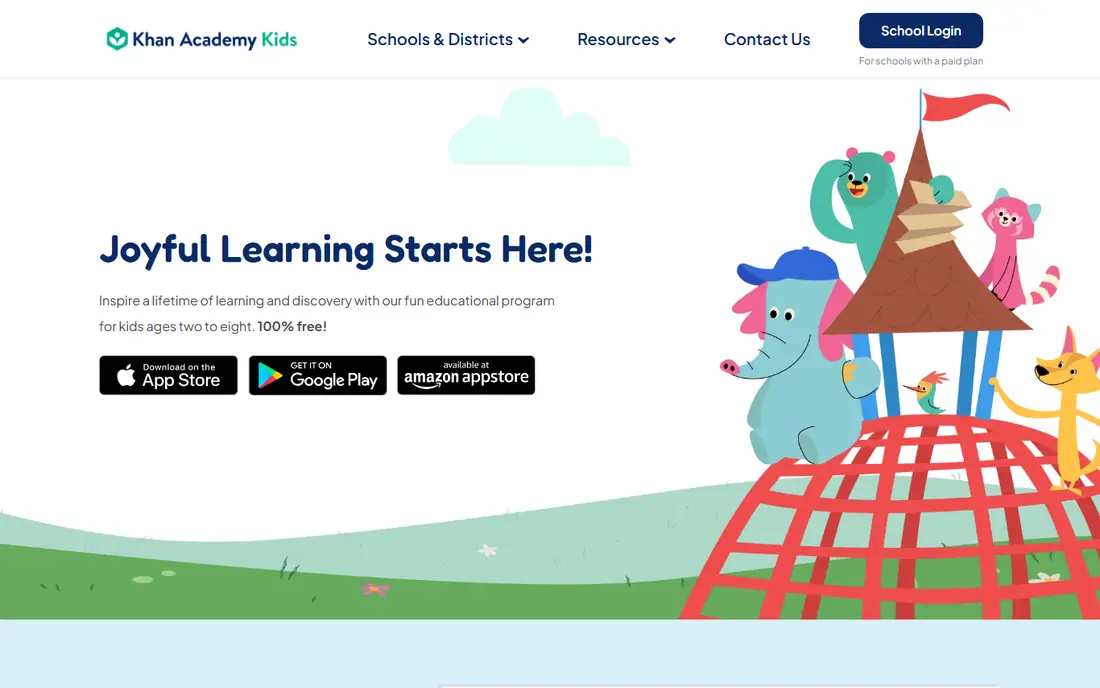
For teams that want a clear starting point, Khan Academy Kids stands out because free learning for young children.
It is the safest free starting point, since it has no ads and no paid tier to upsell to a child. Reading activities sit next to math and social skills, so it works as a daily default rather than a single-subject app.
Before you commit, check Khan Academy Kids against the tools you already use, confirm the plan limits for your team size, and use the trial period to test the exact workflow you will rely on most. A short pilot with real data, real users, and a clear success measure will tell you more than a feature list, and it makes it easier to compare this option fairly with the others on this list.
- Free with no ads
- Reading, math, and social skills
- Ages 2 to 8
- Narrower reading depth than paid reading-only apps
- Needs a parent device
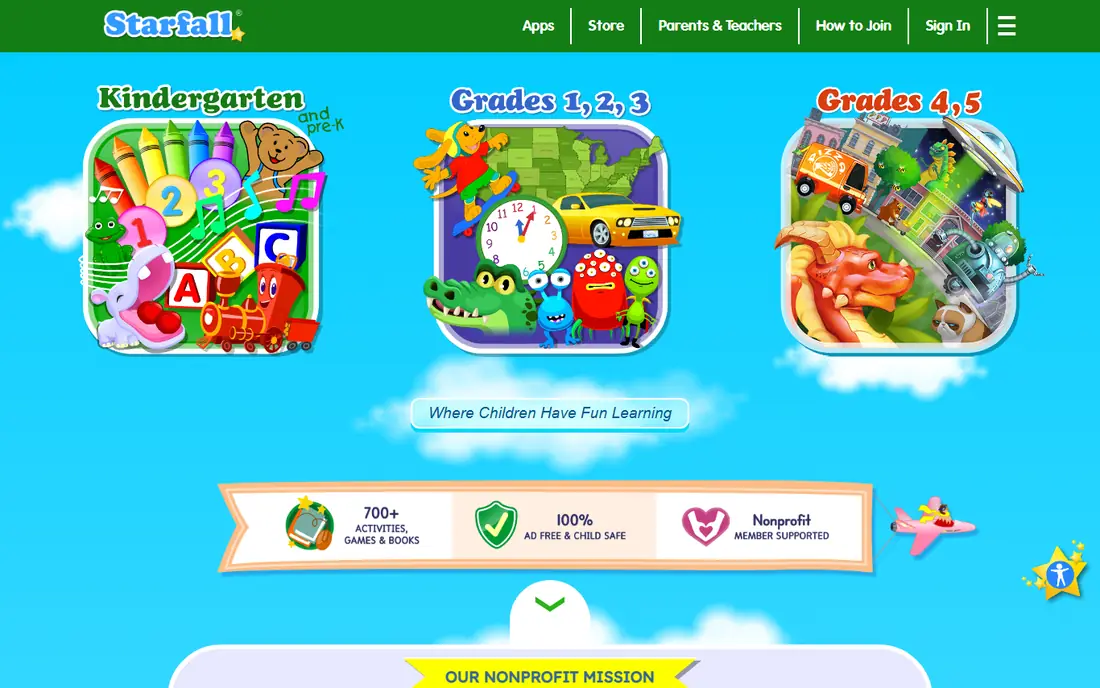
If your main concern is structured phonics for early readers, Starfall deserves a close look.
It uses a clear, structured phonics path that parents and teachers can follow. The free tier covers core activities, while membership adds more content for families who want it.
Before you commit, check Starfall against the tools you already use, confirm the plan limits for your team size, and use the trial period to test the exact workflow you will rely on most. A short pilot with real data, real users, and a clear success measure will tell you more than a feature list, and it makes it easier to compare this option fairly with the others on this list.
- Free phonics activities
- Structured letter and sound work
- Web and app access
- Full membership is paid
- Some content needs a subscription

Teach Your Monster to Read earns its place here through children who learn best through games, and it suits a specific kind of buyer.
It turns phonics into a game where a child builds a monster and works through reading islands. That game structure helps reluctant readers stick with short daily practice.
Before you commit, check Teach Your Monster to Read against the tools you already use, confirm the plan limits for your team size, and use the trial period to test the exact workflow you will rely on most. A short pilot with real data, real users, and a clear success measure will tell you more than a feature list, and it makes it easier to compare this option fairly with the others on this list.
- Free on the web
- Game-based phonics
- Covers early reading stages
- App version may be paid
- Game pace suits some children more than others
Buyers who prioritise short daily phonics practice will find Duolingo ABC a strong match.
It suits families who want five to ten minute lessons with no cost and no ads aimed at children. The short format also fits a routine before school or at bedtime.
Before you commit, check Duolingo ABC against the tools you already use, confirm the plan limits for your team size, and use the trial period to test the exact workflow you will rely on most. A short pilot with real data, real users, and a clear success measure will tell you more than a feature list, and it makes it easier to compare this option fairly with the others on this list.
- Free
- Short lessons
- Gamified phonics and reading
- Limited depth for older readers
- Best for early stages
We include Reading Eggs for readers who need families wanting a full reading curriculum without extra complexity.
It offers a deeper reading path than most free apps, with lessons that adapt as a child progresses. The trial lets you check whether your child likes the style before paying.
Before you commit, check Reading Eggs against the tools you already use, confirm the plan limits for your team size, and use the trial period to test the exact workflow you will rely on most. A short pilot with real data, real users, and a clear success measure will tell you more than a feature list, and it makes it easier to compare this option fairly with the others on this list.
- Structured reading lessons
- Placement test
- Progress reports for parents
- Paid after trial
- Cost adds up for multiple children
Among the options here, ABCmouse is the one to check first for broad early learning beyond reading.
It suits families who want one app for reading, math, and other preschool subjects. The library is large, so parents should set a short daily routine rather than letting a child wander through it.
Before you commit, check ABCmouse against the tools you already use, confirm the plan limits for your team size, and use the trial period to test the exact workflow you will rely on most. A short pilot with real data, real users, and a clear success measure will tell you more than a feature list, and it makes it easier to compare this option fairly with the others on this list.
- Large content library
- Reading plus math and science
- Progress tracking
- Paid subscription
- Volume can overwhelm a young child
For a buyer focused on personalised reading for young children, Homer offers a practical route forward.
It builds a path based on a child's level and interests, which can keep practice at the right difficulty. Check the trial terms and the monthly price before the trial ends.
Before you commit, check Homer against the tools you already use, confirm the plan limits for your team size, and use the trial period to test the exact workflow you will rely on most. A short pilot with real data, real users, and a clear success measure will tell you more than a feature list, and it makes it easier to compare this option fairly with the others on this list.
- Personalised learning path
- Reading and early skills
- Parent dashboard
- Paid after trial
- Price varies by plan
Hooked on Phonics is best understood as a tool for structured phonics at home, rather than a general fix for everything.
It follows a familiar, step-by-step phonics method that many parents already know. That structure suits children who do well with clear, repeated practice.
Before you commit, check Hooked on Phonics against the tools you already use, confirm the plan limits for your team size, and use the trial period to test the exact workflow you will rely on most. A short pilot with real data, real users, and a clear success measure will tell you more than a feature list, and it makes it easier to compare this option fairly with the others on this list.
- Long-running phonics method
- Structured steps
- Print and app options
- Paid subscription
- Style is more structured than game apps
When children who love books and stories matters most, Epic is a sensible name to put on a shortlist.
It is a library first, with thousands of books and read-to-me titles that build a love of reading. Pair it with a phonics app if your child still needs letter and sound practice.
Before you commit, check Epic against the tools you already use, confirm the plan limits for your team size, and use the trial period to test the exact workflow you will rely on most. A short pilot with real data, real users, and a clear success measure will tell you more than a feature list, and it makes it easier to compare this option fairly with the others on this list.
- Large book library
- Read-to-me books
- Free for educators
- Full family access is paid
- Library focus, not phonics lessons
How we picked these
We compared official product pages and app store listings for nine reading apps, checking which parts are truly free and which need a paid plan after a trial. We checked age ranges, phonics coverage, and whether ads or purchases are aimed at children. We did not test with children ourselves, and we based safety notes on vendor pages.
How to use reading apps safely and well
Keep sessions short, around 10 to 20 minutes, and sit nearby for younger children so you can praise effort and correct sounds gently. Check for ads, in-app purchases, and chat features before you hand over a device, and turn off purchases where possible. Use the app to support reading aloud and real books, not to replace them. If a child struggles for weeks, talk to a teacher, since an app alone cannot diagnose a reading difficulty.
Sources
Frequently asked questions
What is the best completely free learn to read app?
Khan Academy Kids, Duolingo ABC, and the web version of Teach Your Monster to Read are free with no ads aimed at children. Starfall also offers free phonics activities, with a paid membership for extra content.
Can a reading app teach a child to read alone?
Apps help with phonics, letter sounds, and practice, but children also need read-aloud time and guidance from a parent or teacher. Use apps as daily practice, not as a replacement for instruction.
How long should a young child use a reading app each day?
Short, regular sessions of 10 to 20 minutes work better than long, rare sessions. Stop while the child is still enjoying it, and follow with a real book together.
Are free reading apps safe for children?
Check for ads, purchases, and data collection before use, and prefer apps with no ads and no chat. Khan Academy Kids and Duolingo ABC are good examples of free apps without paid upsells aimed at children.
What age are these apps for?
Most suit ages 2 to 8, with the best fit around preschool and kindergarten. Older children who can already read simple books usually need a library app like Epic or school reading material instead.