Best SIEM Tools in 2026: 9 Tools Compared
By ToolNimba Editorial Team November 9, 2026 10 min read

- Top pick
 Microsoft Sentinel
Microsoft and Azure shops
Starting price$4.30 per GBCheck out Microsoft SentinelRead our review - Runner-up
 Splunk Enterprise Security
Large mature SOC teams
Starting priceSee websiteCheck out Splunk Enterprise SecurityRead our review - Also great
 Elastic Security
Engineering-led security teams
Starting priceSee websiteCheck out Elastic SecurityRead our review
How we researched this
We compared official pricing and feature pages, app store listings, privacy policies and public user reviews. Prices change, so check the provider's site before you pay.
Key takeaways
- Microsoft Sentinel is our pick for most Microsoft and Azure shops, because ingestion pricing is clear and Microsoft data sources integrate closely.
- Splunk Enterprise Security remains the reference choice for large, mature security operations with deep search and correlation needs.
- Elastic Security suits engineering-led teams that want open rules, flexible search, and control over deployment.
- Pricing models differ more than features do: per gigabyte, per event, per asset, and per employee all produce very different bills at scale.
- Small teams should start with a tool that offers a free tier, a trial, or per-employee pricing, rather than a quote-only enterprise platform.
Quick comparison
| Name | Best for | Starting price | Free plan | |
|---|---|---|---|---|
| Microsoft Sentinel | Microsoft and Azure shops | $4.30 per GB | Free trial | Visit |
| Splunk Enterprise Security | Large mature SOC teams | See website | Free trial | Visit |
| Elastic Security | Engineering-led security teams | See website | Yes | Visit |
 IBM QRadar SIEM | Regulated on-prem estates | See website | No | Visit |
 CrowdStrike Falcon Next-Gen SIEM | Existing Falcon customers | $5.95 per GB | Free trial | Visit |
 Google Security Operations | Long-retention cloud SIEM | See website | No | Visit |
 Datadog Cloud SIEM | Existing Datadog shops | See website | Free trial | Visit |
 Exabeam | Behavior-led detection | See website | No | Visit |
 Rapid7 InsightIDR | Mid-market consolidation | See website | Free trial | Visit |
The best SIEM tools
A SIEM collects logs from across your systems, correlates them into alerts, and gives analysts a place to investigate. The tools below differ in deployment, detection style, and above all pricing, so the right pick depends on your log volume, your cloud stack, and your team's skills. We compared vendor pricing pages and published 2026 SIEM cost comparisons, and we kept only tools that are live and widely used in security operations.
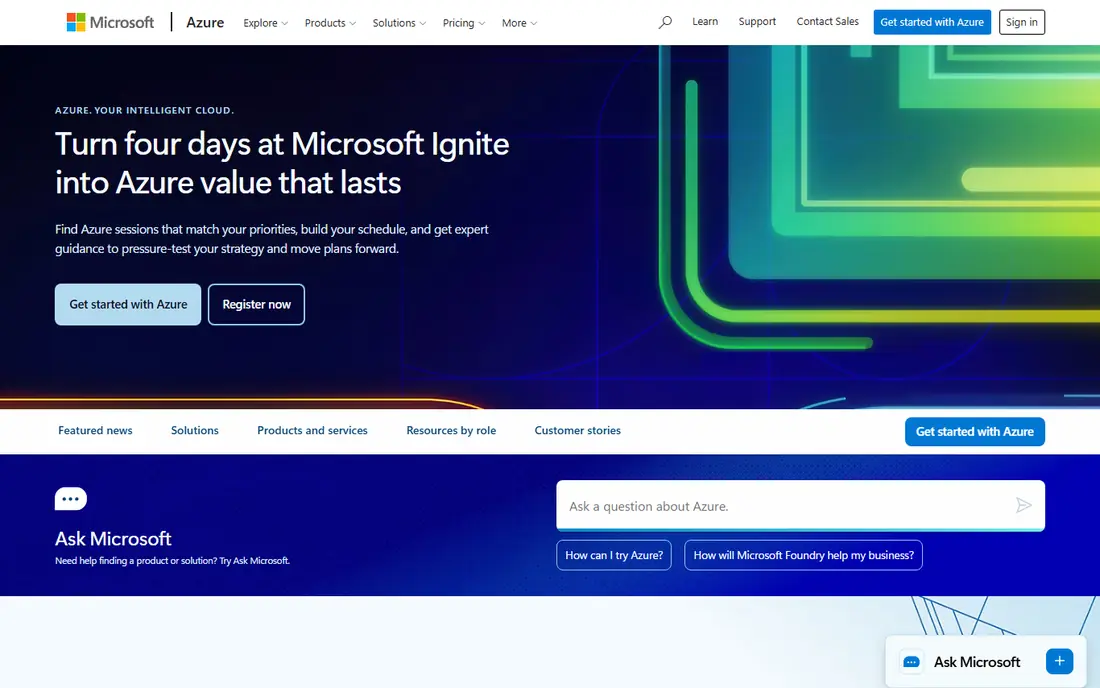
Microsoft Sentinel is a cloud-native SIEM built on Azure, and it fits naturally where Microsoft 365, Defender, and Azure already dominate. Analytics rules, workbooks, and playbooks cover common threats, and data from Microsoft sources integrates with less parsing work than third-party feeds. Published pay-as-you-go pricing is $4.30 per GB in East US, with commitment tiers lowering the effective rate at higher volumes.
The catch is volume. Sentinel bills on ingestion, so a noisy estate with many non-Microsoft sources can grow expensive fast, and retention adds further cost. Plan data filtering and commitment tiers before onboarding everything at once. For Microsoft-centered teams, Sentinel is our pick for the balance of price, integration, and managed upkeep.
- Pay-as-you-go ingestion at $4.30 per GB in published pricing
- Deep Microsoft 365 and Defender integration
- Commitment tiers lower rates
- Costs climb with non-Microsoft data volume
- Best value requires Azure commitment planning
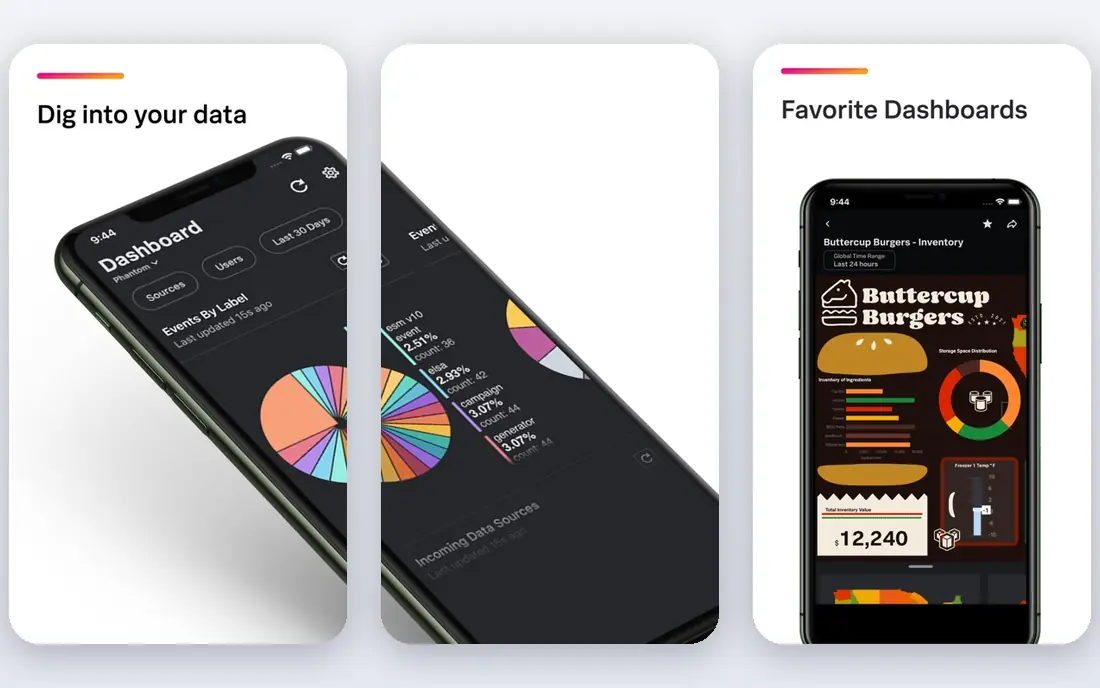
Splunk Enterprise Security is the reference SIEM for large security operations, built on the Splunk platform's search language, SPL, and a deep library of detections and dashboards. Teams with mature detection engineering can build almost any correlation, report, or hunt they need, and the ecosystem of apps and integrations is unmatched. Deployment works in cloud or on premises, which suits regulated estates that cannot move everything to one cloud.
Pricing is the honest problem. Enterprise Security is licensed on top of the Splunk platform, largely by quote, and published cost estimates put ingestion-based pricing in the high hundreds to low thousands of dollars per gigabyte per day per year at list rates. That puts Splunk out of reach for small teams unless volume is tightly controlled. For a large SOC with budget and staffing, it remains the deepest tool here.
- Deep search with SPL
- Huge content ecosystem
- Flexible cloud or on-prem deployment
- Quote-only enterprise pricing
- Ingestion costs can be very high at scale
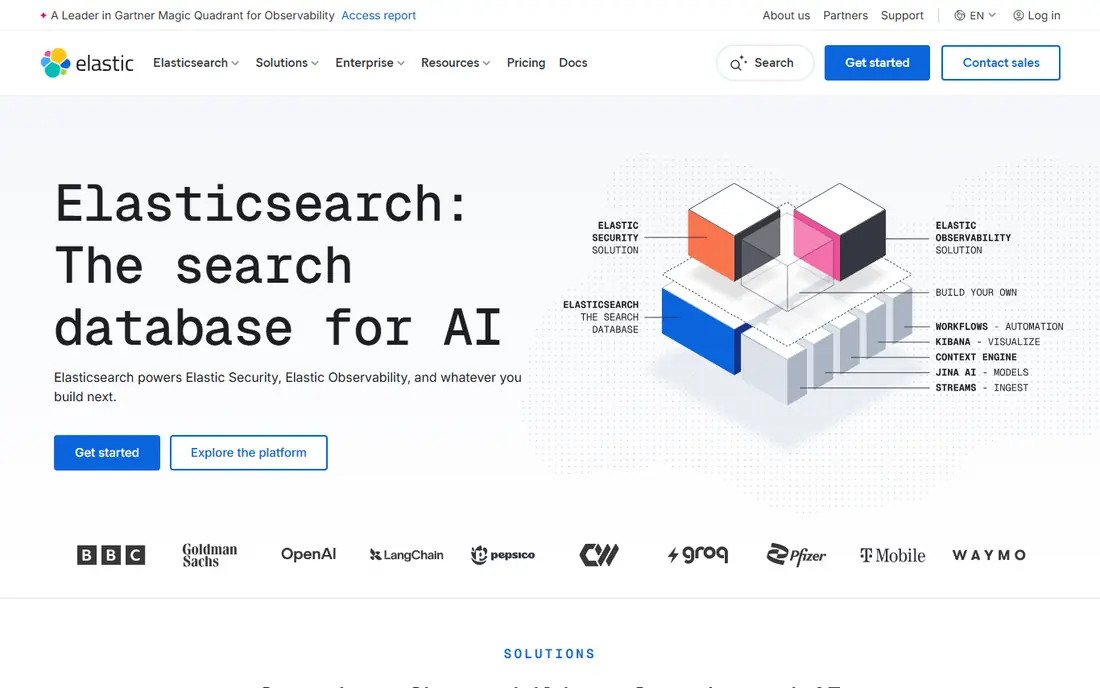
Elastic Security builds on Elasticsearch and Kibana, giving engineering-led teams a powerful search and visualization layer with detection rules they can version and share. The Elastic Common Schema normalizes data across sources, and the platform runs self-hosted or as a managed cloud service. A free tier and open-core options let small teams start without a sales conversation.
The trade-off is effort. Published comparisons note that alert quality without tuning is weaker than Sentinel or Splunk with pre-built content, and teams without Elastic skills can spend more time running the platform than hunting threats. Resource-based pricing also makes bills harder to predict than a simple per-gigabyte rate. If your team already runs Elastic or loves infrastructure control, this is a strong, cost-conscious pick.
- Open detection rules and flexible search
- Resource-based pricing
- Free and open-core options
- Needs Elastic expertise to tune well
- Out-of-the-box alert quality needs work
IBM QRadar SIEM has long served regulated and on-prem estates, with correlation that groups related events into offenses analysts can triage as one case. That workflow suits compliance-driven teams that need clear audit trails and steady, on-prem operation. Licensing by events per second and flows per minute, or by managed server count, lets teams size the platform to throughput rather than raw log volume alone.
Pricing is custom and quote-only, with published estimates putting entry units in the tens of thousands of dollars per year. Ownership and roadmap questions have also followed QRadar in recent years, so ask about product direction during procurement. For a regulated estate that must run its SIEM on premises, QRadar still deserves a place on the shortlist.
- Strong correlation and offense workflow
- On-prem deployment
- Suited to compliance-heavy estates
- Licensed by events and flows with quote-only pricing
- Roadmap questions after ownership changes
CrowdStrike Falcon Next-Gen SIEM
Best for: Existing Falcon customers
CrowdStrike Falcon Next-Gen SIEM, built on LogScale, gives Falcon customers a fast SIEM with indexing-free search and a generous free allowance: published pricing notes 10 GB per day free for Falcon Insight XDR customers, with third-party data at $5.95 per GB pay-as-you-go. That makes it attractive if endpoint telemetry already flows through Falcon and you want security logs in the same console.
Standalone buyers without Falcon will see less of that advantage, and larger deals still go through sales. The platform is newer as a full SIEM than Splunk or QRadar, so check packaged detection depth for your compliance needs. For Falcon shops, it is the most natural consolidation pick on this list.
- Third-party data at $5.95 per GB on published marketplace pricing
- Free daily allowance for Falcon Insight XDR customers
- Fast search
- Best value requires Falcon ecosystem
- Standalone pricing needs a quote for larger deals
Google Security Operations, formerly Chronicle, combines SIEM and SOAR in a cloud package priced by ingestion, with long retention that suits teams with compliance or investigation needs spanning months. Its search is built to handle very large log volumes, and it fits naturally alongside Google Cloud workloads. Published cost guides place its ingestion rates in a range around $1.95 to $4.60 per GB per year on public cloud list material, though actual quotes vary.
There is no public starting price, and packages are sold in Standard, Enterprise, and Enterprise Plus tiers by sales. Teams outside Google Cloud can still use it, but integration value is highest for Google shops. If long retention and cloud scale matter more than a published price, put it on the shortlist.
- Cloud SIEM and SOAR in one ingestion-priced package
- Long retention
- Strong search at scale
- Quoted by sales with no public starting price
- Best fit is Google Cloud shops
Datadog Cloud SIEM appeals to teams that already monitor infrastructure with Datadog, since security signals sit next to logs, metrics, and application traces in one console. Published pricing models charge per analyzed event, around $5 per one million analyzed events, plus log ingestion costs, which makes the bill depend on both volume and detection scope. A free trial lets teams test detection content before committing.
The combined model is the catch. High event volumes can push costs up quickly, and teams need to tune which events are analyzed. For Datadog shops that want security and observability together, the consolidation value is real. For teams without Datadog, a dedicated SIEM will usually be simpler to price.
- SIEM alongside logs, metrics, and APM in one platform
- Per-event pricing model
- Strong visualizations
- Costs combine analyzed events and log ingestion
- Can grow expensive at high event volumes
Exabeam New-Scale Fusion centers on user and entity behavior analytics, building timelines that show how a user's activity changes over time. That approach suits insider-threat detection, compromised-account hunting, and investigations where a single alert means little without context. Cloud and hybrid deployment options cover teams that cannot move all logs to one cloud.
Pricing is quote-only, with published list material from earlier years placing entry deals in the tens of thousands of dollars per year. Behavior baselines also need tuning time before alerts become reliable. If behavior-led detection is your gap, Exabeam is a focused pick. If you need a general SIEM on a published price, look at Sentinel or Elastic first.
- Behavior analytics and timelines at the core
- Strong insider-threat use cases
- Cloud and hybrid deployment
- Quote-only pricing
- Best value needs tuning for your user behavior baselines
Rapid7 InsightIDR bundles SIEM with endpoint detection, user behavior analytics, and forensics, which suits mid-market teams that want one vendor instead of several point tools. Pricing is asset-based, with published guides putting entry rates around $70 per asset per year, though packages are quoted per organization and tiers range from Essentials to Ultimate. A trial and demo let teams test the console before buying.
The package structure is the catch. Detection depth and features vary by tier, so compare Essentials, Advanced, and Ultimate carefully against your compliance needs. For a mid-size team consolidating security tools, InsightIDR offers a practical balance of coverage and manageability.
- SIEM plus endpoint detection and forensics from one vendor
- Asset-based pricing
- Good mid-market fit
- Quoted per organization with no public starting price
- Detection depth varies by package tier
How we picked these
We compared vendor pricing pages and published 2026 SIEM cost comparisons, and we kept only tools that are live, widely deployed in security operations, and offer log ingestion, correlation, and investigation as core features. We weighed detection style, deployment options, pricing model, and team fit, since a per-gigabyte tool and a per-asset tool cannot be compared on price alone. We did not claim hands-on testing; our comparison rests on public pricing, vendor documentation, and cost-comparison reporting.
How to compare SIEM pricing fairly
Ask every vendor for a quote on the same scenario: your daily log volume in gigabytes, your retention period, and your event count. A per-gigabyte price looks cheap until retention and non-Microsoft data are added, and a per-asset price looks simple until endpoints grow. Filter noisy logs before ingestion, use commitment tiers where volume is stable, and trial detection content with your own data for two weeks. The cheapest SIEM is the one your analysts actually use to close alerts, not the one with the lowest headline rate.
Sources
- https://www.splunk.com
- https://azure.microsoft.com
- https://www.elastic.co
- https://www.ibm.com
- https://www.crowdstrike.com
- https://cloud.google.com
- https://www.datadoghq.com
- https://www.exabeam.com
- https://www.rapid7.com
- https://siemcostcalculator.com/
- https://underdefense.com/blog/siem-solutions-comparison/
- https://trustmyip.com/blog/best-siem-software
Frequently asked questions
What is the best siem tool for a small business?
Elastic Security is a strong starting point for small teams, thanks to free and open-core options, while Microsoft Sentinel suits small Microsoft shops with a trial and pay-as-you-go pricing. Quote-only enterprise tools such as Splunk and Exabeam usually cost too much for small teams unless volume is very low.
What is the best siem software for Microsoft shops?
Microsoft Sentinel is the natural pick, with deep Microsoft 365 and Defender integration and pay-as-you-go ingestion at $4.30 per GB in published pricing. Commitment tiers lower the rate further for stable volumes.
How much does a SIEM cost?
It depends on the model. Sentinel pay-as-you-go is $4.30 per GB, CrowdStrike third-party data is $5.95 per GB on published marketplace pricing, and Splunk, QRadar, and Exabeam are largely quote-only with enterprise deals reaching six figures per year at high volumes.
What is the best siem platform for on-prem deployment?
IBM QRadar SIEM and Splunk Enterprise Security both support on-prem deployment and suit regulated estates. Elastic Security also runs self-hosted, which gives engineering teams control without a full enterprise contract.
Do I need a SIEM if I already have endpoint detection?
Endpoint detection covers devices, while a SIEM correlates logs from firewalls, cloud, identity, and applications into a fuller picture. Small teams may start with endpoint detection plus log search, but compliance and incident investigation usually push teams toward a SIEM as they grow.
What is the difference between a SIEM and SOAR?
A SIEM collects and analyzes logs to detect threats, while SOAR automates response playbooks, such as isolating a device or blocking an address. Several tools here, including Google Security Operations and Sentinel, bundle SOAR-style automation with the SIEM.