Best Vendor Management Software in 2026: 8 Tools Compared
By ToolNimba Editorial Team November 12, 2026 8 min read

- Top pick
 SAP Ariba
Enterprise supplier networks
Starting priceSee websiteCheck out SAP AribaRead our review - Runner-up
 Coupa
Spend visibility and control
Starting priceSee websiteCheck out CoupaRead our review - Also great
 Oracle Procurement
Oracle ERP procurement
Starting priceSee websiteCheck out Oracle ProcurementRead our review
How we researched this
We compared official pricing and feature pages, app store listings, privacy policies and public user reviews. Prices change, so check the provider's site before you pay.
Key takeaways
- SAP Ariba and Coupa suit large enterprises with complex spend.
- Precoro suits mid-market teams that want clear published pricing.
- Gatekeeper suits teams whose main pain is contract renewals.
- Tipalti suits companies paying many suppliers across borders.
- Procurify suits mid-market teams that need live budget control.
Quick comparison
| Name | Best for | Starting price | Free plan | |
|---|---|---|---|---|
| SAP Ariba | Enterprise supplier networks | See website | No | Visit |
| Coupa | Spend visibility and control | See website | No | Visit |
| Oracle Procurement | Oracle ERP procurement | See website | No | Visit |
 Precoro | Mid-market purchasing control | $499 per month | Free trial | Visit |
 Procurify | Budget control for purchasing | See website | No | Visit |
 Gatekeeper | Contract and renewal management | See website | No | Visit |
 Tipalti | Global supplier payments | See website | No | Visit |
 Tradogram | Affordable small-business purchasing | $99 per month | Free trial | Visit |
The best vendor management software
The best vendor management platform keeps contracts, spend, performance and risk in one place. Small teams may only need renewals and approvals, while large companies need sourcing, supplier networks and risk checks too.
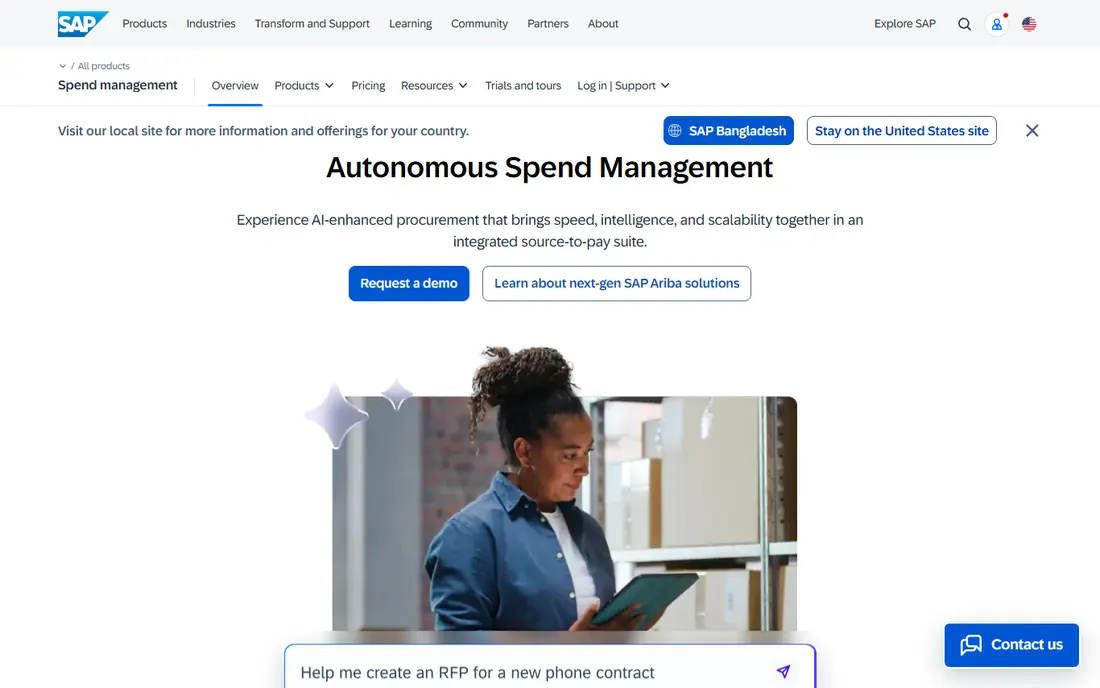
SAP Ariba fits large SAP-based enterprises. Its main strength is supplier network scale inside SAP. Ariba connects buyers to a large supplier network and covers sourcing, contracts and spend. The catch is smaller companies may never use its full depth. Run a pilot on one spend category before a full rollout. We would shortlist it if you already run SAP and buy at scale. When you trial SAP Ariba, test it on the exact job you listed for enterprise supplier networks. Use real data, real users and real deadlines, and write down what worked, what failed and what cost extra. That short trial record will tell you more than a demo, and it makes the final choice easier to defend to colleagues or family.
- Large supplier network
- Sourcing and contracts
- Deep SAP integration
- Quote-based
- Implementation is long
- Overkill for small teams
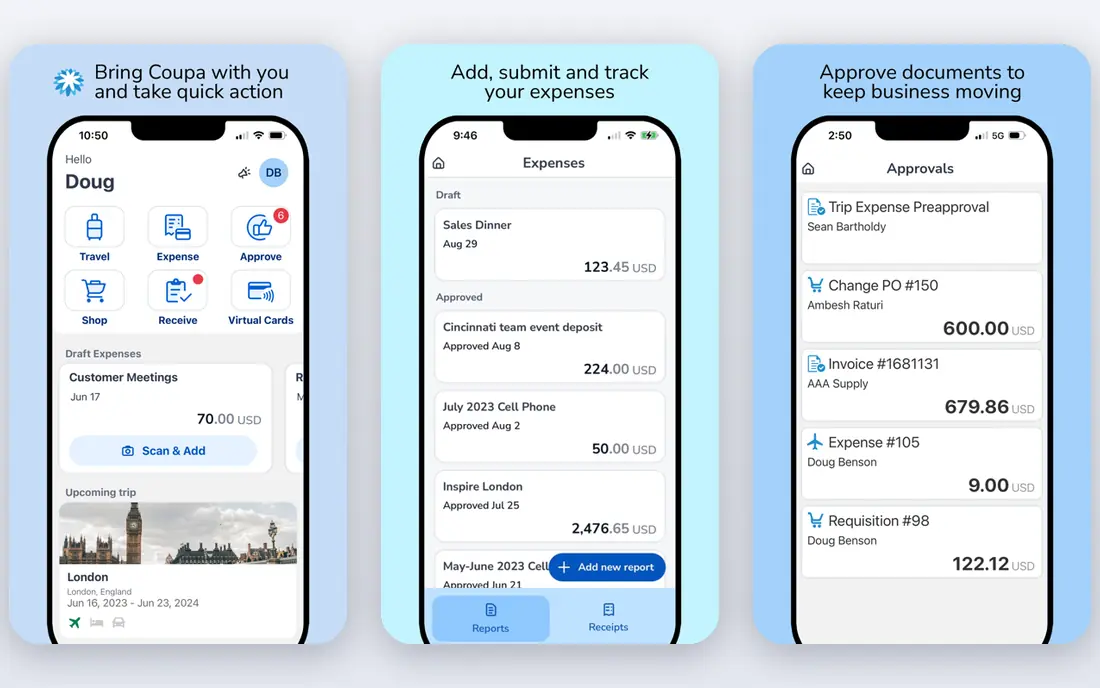
Coupa fits mid-market to enterprise buyers. Its main strength is fast spend visibility across categories. Coupa gives finance a clearer view of spend, approvals and suppliers in one system. The catch is price and implementation need a full business case. Start with spend visibility, then add sourcing modules. We would shortlist it if spend control is the main goal. When you trial Coupa, test it on the exact job you listed for spend visibility and control. Use real data, real users and real deadlines, and write down what worked, what failed and what cost extra. That short trial record will tell you more than a demo, and it makes the final choice easier to defend to colleagues or family.
- Spend management
- AI-assisted insights
- Broad procurement suite
- Quote-based
- Enterprise rollout takes time
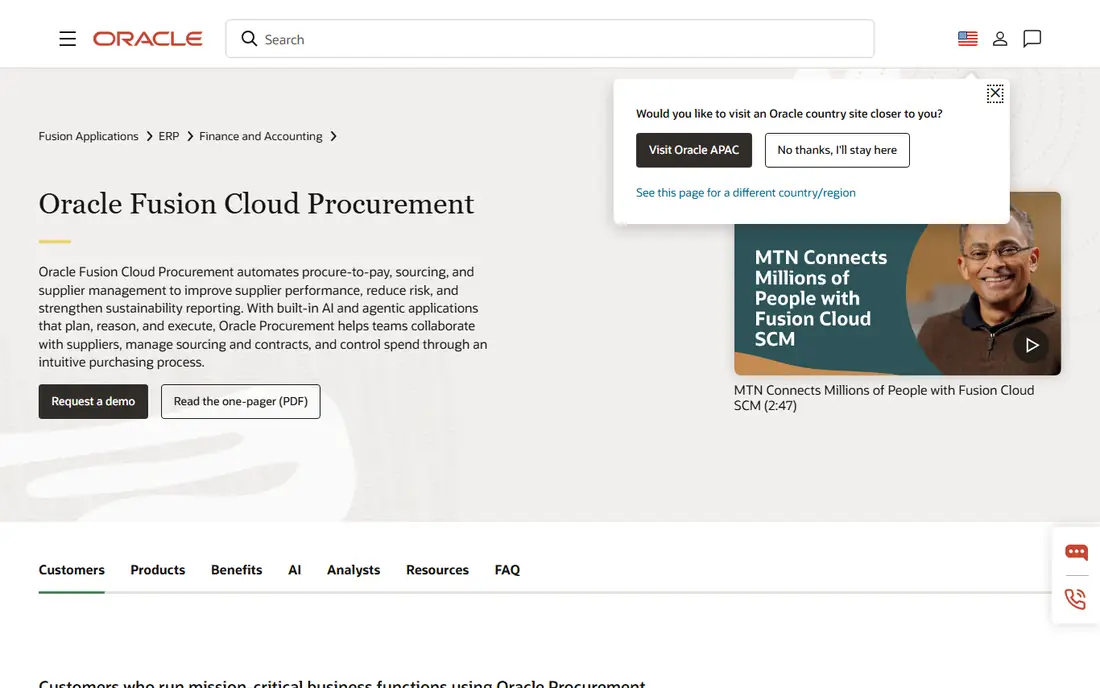
Oracle Procurement fits large Oracle ERP customers. Its main strength is procurement that stays inside Oracle. Oracle Procurement keeps buying, approvals and supplier data inside the ERP. The catch is non-Oracle buyers gain less from the link. Map modules to your ERP plan before you buy. We would shortlist it if you already run Oracle Cloud ERP. When you trial Oracle Procurement, test it on the exact job you listed for oracle erp procurement. Use real data, real users and real deadlines, and write down what worked, what failed and what cost extra. That short trial record will tell you more than a demo, and it makes the final choice easier to defend to colleagues or family.
- Procurement inside Oracle Cloud
- Sourcing and supplier management
- Strong controls
- Quote-based by module
- Best value inside Oracle ERP
Precoro fits mid-market teams that want clear pricing. Its main strength is transparent mid-market purchasing control. Precoro covers requests, approvals, orders and budgets with a published starting price. The catch is very large enterprises may need a wider suite. Trial it with your real approval chain. We would shortlist it if you want control without enterprise bloat. When you trial Precoro, test it on the exact job you listed for mid-market purchasing control. Use real data, real users and real deadlines, and write down what worked, what failed and what cost extra. That short trial record will tell you more than a demo, and it makes the final choice easier to defend to colleagues or family.
- Purchase requests and approvals
- Purchase orders
- Inventory and three-way matching
- Per-user pricing grows with headcount
- Enterprise sourcing is lighter
Procurify fits mid-market finance teams. Its main strength is live budget visibility while staff buy. Procurify shows budget impact as staff request items, which helps finance stop overspend early. The catch is teams that need inventory depth may want more. Test mobile approvals with your busiest approvers. We would shortlist it if budget control is the top need. When you trial Procurify, test it on the exact job you listed for budget control for purchasing. Use real data, real users and real deadlines, and write down what worked, what failed and what cost extra. That short trial record will tell you more than a demo, and it makes the final choice easier to defend to colleagues or family.
- Requests, approvals and budgets
- Audit trails
- Mobile approvals
- Pricing is quote-based
- Interface speed has drawn criticism
Gatekeeper fits teams losing money on auto-renewals. Its main strength is contracts that never renew unnoticed. Gatekeeper centralizes contracts, sets renewal alerts and tracks vendor performance. The catch is buyers who need full sourcing should pair it with another tool. Import your highest-value contracts first. We would shortlist it if renewals are your main pain. When you trial Gatekeeper, test it on the exact job you listed for contract and renewal management. Use real data, real users and real deadlines, and write down what worked, what failed and what cost extra. That short trial record will tell you more than a demo, and it makes the final choice easier to defend to colleagues or family.
- Contract repository
- Renewal alerts
- Vendor performance tracking
- Full procurement features are lighter than suite rivals
Tipalti fits companies paying many suppliers globally. Its main strength is paying suppliers across borders safely. Tipalti handles onboarding, tax forms and global payouts, which cuts payment admin. The catch is teams that mainly need sourcing should look elsewhere. Check supported payout methods for your supplier countries. We would shortlist it if you pay many suppliers in many countries. When you trial Tipalti, test it on the exact job you listed for global supplier payments. Use real data, real users and real deadlines, and write down what worked, what failed and what cost extra. That short trial record will tell you more than a demo, and it makes the final choice easier to defend to colleagues or family.
- Global payments
- Tax compliance
- Supplier onboarding and portals
- Payment focus means sourcing features are lighter
Tradogram fits small businesses with simple purchasing. Its main strength is affordable purchasing control for small teams. Tradogram gives small teams approvals, orders and supplier records at a low entry price. The catch is complex sourcing or risk checks need a larger tool. Trial it with your top suppliers and approvers. We would shortlist it if your purchasing needs are straightforward. When you trial Tradogram, test it on the exact job you listed for affordable small-business purchasing. Use real data, real users and real deadlines, and write down what worked, what failed and what cost extra. That short trial record will tell you more than a demo, and it makes the final choice easier to defend to colleagues or family.
- Simple purchasing and approvals
- Published low starting price
- Supplier tracking
- Feature depth is lighter than enterprise suites
- Scaling needs checking
How we picked these
We compared official feature pages, pricing pages and app store listings, and we kept only products that exist and work in October 2026 and truly fit the topic. We favoured clear pricing, usable free plans or trials where they exist, and features that match the main job. We did not claim hands-on testing, and we left out products that had closed, changed focus or did not fit, even when they were well known nearby. Prices change, so treat the figures here as a snapshot from October 2026 and confirm the current price on the vendor site before you pay. Where we could not verify a price, we wrote See website rather than guessing.
How to choose vendor management software
Split commercial and risk needs
Commercial tools cover contracts, spend and performance. Risk tools cover security, financial health and compliance checks. Some companies need one side, regulated companies often need both. Buying a suite for only one side wastes money.
Count vendors and contracts first
Under 50 vendors, a contract repository with renewal alerts may be enough. Above that, approvals, spend tracking and supplier portals start to pay. Use vendor count, contract value and audit pressure to size the tool.
Get first-year cost in writing
Enterprise quotes often exclude implementation, data migration and training. Ask for the full first-year total, renewal terms, user limits and data export terms before you sign. A short initial term protects you if adoption lags.
Sources
Frequently asked questions
What is the best vendor management software overall?
Coupa and SAP Ariba suit large enterprises, Precoro suits mid-market teams, and Gatekeeper suits contract renewals. The best choice follows vendor count, spend complexity and ERP fit.
What are the best vendor management tools for small businesses?
Tradogram suits small teams with simple purchasing, while Precoro suits growing mid-market teams. Small companies with few vendors may only need a contract repository with renewal alerts.
What is the top vendor management software for enterprises?
SAP Ariba, Coupa and Oracle Procurement lead for enterprises. Ariba suits SAP estates, Oracle suits Oracle estates, and Coupa suits buyers who want spend visibility fast.
What is the difference between vendor management and procurement software?
Vendor management focuses on suppliers, contracts, performance and risk. Procurement software covers the wider buying process, including requests, approvals and orders. Many suites cover both, but strengths differ.
How much does vendor management software cost?
Enterprise suites are quote-based and often reach six figures a year for mid-size deployments. Mid-market tools start from $99 to $499 per month in this list. Always get implementation costs in writing.