Best Work From Home Companies in 2026: 8 Companies Compared
By ToolNimba Editorial Team November 10, 2026 9 min read

- Top pick
 GitLab
All-remote product and engineering work
Starting priceSee websiteCheck out GitLabRead our review - Runner-up
 Automattic
WordPress and web product roles
Starting priceSee websiteCheck out AutomatticRead our review - Also great
 Zapier
Async automation and support roles
Starting priceSee websiteCheck out ZapierRead our review
How we researched this
We compared official pricing and feature pages, app store listings, privacy policies and public user reviews. Prices change, so check the provider's site before you pay.
Key takeaways
- GitLab, Automattic and Zapier are the most established fully remote employers, with public handbooks and long remote histories.
- Buffer and Doist suit people who value salary transparency and small, async teams over large corporate structures.
- Basecamp (37signals) offers a calm, flat-priced software culture, but hiring is smaller and less frequent.
- Toptal and DuckDuckGo fit different paths: freelance talent work versus a privacy-focused product team.
- Remote job listings change fast, so check each company careers page before applying, and watch for roles limited by country or timezone.
Quick comparison
| Name | Best for | Starting price | Free plan | |
|---|---|---|---|---|
| GitLab | All-remote product and engineering work | See website | No | Visit |
| Automattic | WordPress and web product roles | See website | No | Visit |
| Zapier | Async automation and support roles | See website | No | Visit |
 Buffer | Transparent social media work | See website | No | Visit |
 Doist | Small async productivity teams | See website | No | Visit |
 Basecamp | Calm software and support work | See website | No | Visit |
 Toptal | Freelance talent projects | See website | No | Visit |
 DuckDuckGo | Privacy product roles | See website | No | Visit |
The best work from home companies
The best work from home companies are not just firms that allow remote days. They build hiring, pay, communication and promotion around distributed work, so remote staff are not second-class citizens. The companies below are known for fully remote or remote-first models, public documentation of how they work, and roles across engineering, design, support and marketing.
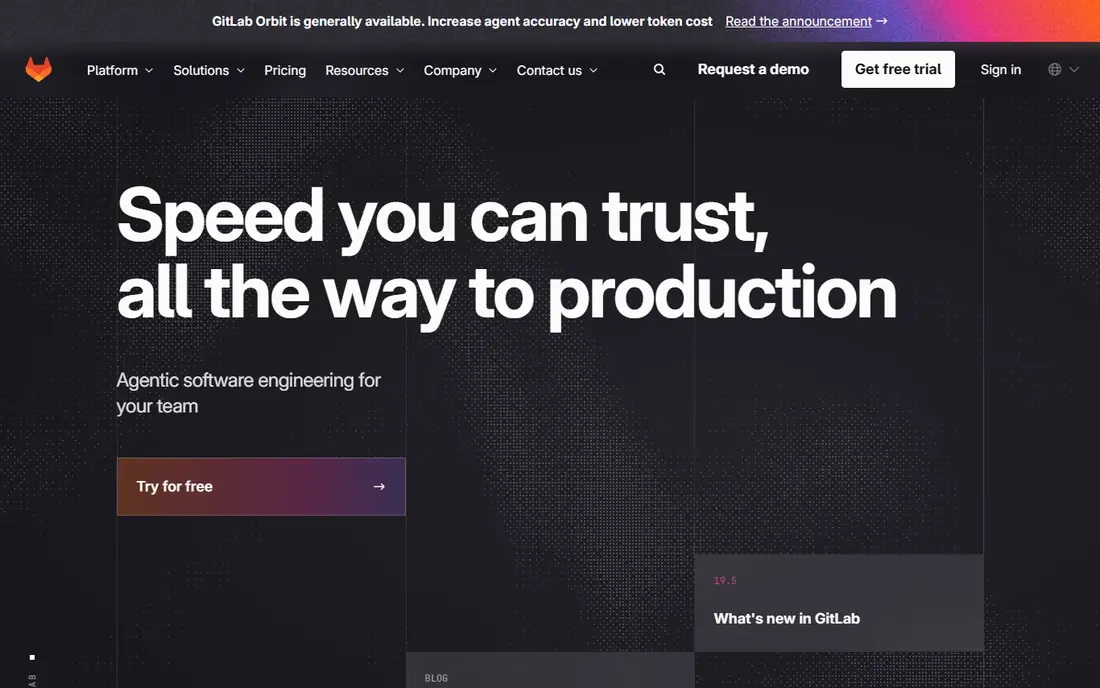
GitLab is the reference case for all-remote work. It publishes a large public handbook that explains how teams communicate, how pay bands work, and how decisions are documented. That openness helps applicants judge the culture before applying, and it helps remote staff work without relying on hallway chats or office presence.
The work itself is heavily written and async, with issues, merge requests and documents carrying much of the communication. People who prefer quick verbal decisions may find that slow at first. Roles span engineering, product, design, sales and support, and hiring is global, though some roles still carry location or timezone limits. Read the handbook section for your role before you apply.
- Fully remote since its early years
- Public handbook covering pay and process
- Roles across many countries
- Written, async work suits some people more than others
- Interview process can be long

Automattic, the company behind WordPress.com, WooCommerce, Tumblr and other web products, has worked fully remotely for many years. It hires across engineering, support, design and marketing, and it is known for a paid trial stage where candidates do real work with a team before a final offer. That stage gives both sides a clearer view than interviews alone.
The trial is also the main catch: it demands real time and focus, and not every applicant wants that length of process. Benefits vary by country, and an open vacation policy still depends on team coverage. For people who want long-term remote work on widely used web products, Automattic remains one of the strongest names to check first.
- Fully remote company behind WordPress.com and WooCommerce
- Paid trial stage for many roles
- Open vacation policy
- Trial process takes time and effort
- Timezones can mean early or late meetings for some regions

Zapier builds automation tools that connect apps, and its own team works fully remotely with an async-first style. That means written updates, recorded walkthroughs and documented decisions carry more weight than live meetings. Support, engineering and marketing roles appear regularly, and the company publishes guidance on finding and getting hired for remote work.
Async-first work is a skill, not just a perk. If you need frequent live feedback to stay on track, the pace can feel isolating. For self-directed people who write clearly and manage their own day, Zapier offers a stable remote culture with a product used by many small businesses.
- Fully remote and async-first
- Clear public guidance on remote hiring
- Roles in engineering, support and marketing
- Async work needs strong writing habits
- Growth roles can be competitive
Buffer makes social media planning and publishing tools, and it has built its reputation on transparency. It publishes its salary formula, values and remote practices, which helps applicants compare offers honestly. Roles cover engineering, support, marketing and product, though the team is smaller than the giants on this list.
That size cuts both ways. A smaller team can mean closer work and clearer ownership, but it also means fewer openings and slower hiring in some functions. Buffer suits applicants who value openness and a manageable pace over rapid headcount growth. Check current openings, since a small team may hire only a few roles at a time.
- Fully remote team
- Published salary formula and values
- Social media product with a clear audience
- Smaller team, so openings are fewer
- Salary bands reflect a transparent formula, not top-of-market pay for every role
Doist is the small, focused company behind Todoist and Twist. It works remotely and async-first, with a deliberately small team and a long-term view of its products. Salary information is shared upfront for many roles, which reduces negotiation guesswork and helps applicants decide quickly whether a role fits.
The obvious limit is scale. Doist hires rarely compared with larger firms, and a small team means each role carries broad responsibility. If you like owning a product area, writing clearly, and working without a large management layer, Doist is worth watching. If you need frequent openings in a specific function, keep larger remote employers on your list too.
- Maker of Todoist and Twist
- Small, async, remote-first team
- Upfront salary transparency for many roles
- Very small team with rare openings
- Async communication needs discipline
Basecamp, the company also known as 37signals, makes project management and email products and has long argued for calmer work. Its team works remotely, with an emphasis on reasonable hours, written communication and products that stay focused rather than growing endlessly. Support, engineering and design roles appear from time to time.
Hiring is the catch. Basecamp is selective and does not hire at the volume of larger remote firms, so waiting for the right role is normal. Applicants who value a smaller product surface and a steady pace will like the culture. Applicants who need a role now should apply here alongside larger employers, not instead of them.
- Makers of Basecamp and HEY
- Calm, remote-friendly culture
- Emphasis on reasonable hours
- Hiring is infrequent and selective
- Product range is narrower than larger tech firms
Toptal is different from the employers above: it is a talent network, not a single product company hiring staff. Freelancers in software, design, finance and project management apply, pass screening, and then take client projects remotely. For experienced freelancers, that can mean steady, well-matched work without hunting for every client alone.
The trade-off is employment status. Toptal work is freelance, so benefits, paid leave and income stability depend on project flow and your own planning. Screening is selective, and not every applicant passes. Treat Toptal as a client channel for an established freelance practice, not as a guaranteed salaried job.
- Remote freelance projects with global clients
- Screening aims to match skilled talent
- Work across software, design and finance
- Freelance, not salaried employment
- Screening is selective and project flow varies
DuckDuckGo builds a private search engine and browser, and its team works remotely. For applicants who care about privacy, the mission is a genuine draw: the product pitch is that search should not track users, and the company publishes privacy practices to back that claim. Engineering, product and growth roles form the core of hiring.
As with other mission-driven firms, hiring volume is smaller than at large platforms, and competition for engineering roles can be strong. Location and timezone limits may apply to some roles. If privacy work matters to you, DuckDuckGo deserves a place on your list, alongside larger remote employers that offer more frequent openings.
- Privacy-focused search and browser products
- Remote-friendly team
- Clear mission for privacy-minded applicants
- Smaller hiring volume than large tech firms
- Roles skew toward engineering and product
How we picked these
We compared company careers pages, public handbooks, remote-work lists and public reviews for firms with a clear remote-first or fully remote model in October 2026. We favored companies that document how remote work happens, hire across more than one function, and are still hiring or maintaining a public careers page. We did not claim hands-on employment at these firms, and we did not treat a job board listing as proof of a current opening. Always check the company careers page for the latest roles and location limits.
What to check before you apply
Start with location and timezone rules, not the job title. A fully remote company may still limit a role to certain countries for tax, legal or timezone reasons. That detail sits on the job page and saves wasted applications.
Next, read how the company actually works. GitLab handbook pages, Automattic hiring guides and Buffer salary pages tell you more than a perks list. Look for meeting load, async expectations, on-call duties and promotion paths, and ask about them in interviews.
Finally, protect yourself from scams. Real remote employers do not ask you to pay for equipment, buy software with a personal card, or move money through your own account. Apply through the official careers page, keep interviews on official channels, and be wary of any offer that arrives without an interview.
Sources
Frequently asked questions
What are the best work from home companies?
GitLab, Automattic and Zapier are among the most established fully remote companies, with long remote histories and public documentation. Buffer, Doist and Basecamp suit smaller-team cultures, while Toptal fits freelance work. The best fit depends on your function, timezone and preference for async work.
Which companies let you work from home full time?
GitLab, Automattic, Zapier, Buffer and Doist operate fully remote or remote-first models, with no central office requirement for most roles. Some roles still carry country or timezone limits, so check each job page. Larger hybrid firms may offer remote roles, but those roles are not always fully remote.
Do work from home companies pay less?
Not always. Many remote firms publish pay bands and adjust for location, role and experience. Some pay by location, others pay globally within a band. Compare the full offer, including benefits, leave and equipment, rather than salary alone.
How do I get hired by a remote company?
Build a clear portfolio or work samples, write well in your application, and show async habits such as documented projects and clear updates. Many remote firms use written tasks or paid trials, so treat those stages as real work samples, not extra interviews.
Are remote jobs safe from scams?
Most listings from official company pages are safe, but remote job scams exist. Never pay for a job, equipment or training, and never accept a role that asks you to move money. Apply through official careers pages and verify recruiters through company domains.
What is the best company to work for from home for beginners?
Support and customer success roles at larger remote firms, such as Zapier and Automattic, are often more open to early-career applicants than senior engineering roles. Start with roles that match your current skills, build remote work evidence, and move toward specialist roles over time.