People Data Labs Alternatives in 2026: 9 Tools Compared
By ToolNimba Editorial Team November 6, 2026 9 min read

- Top pick
 Apollo.io
All-in-one prospecting and sequences
Starting price$49 per user per monthCheck out Apollo.ioRead our review - Runner-up
 ZoomInfo
Enterprise contact and intent data
Starting priceSee websiteCheck out ZoomInfoRead our review - Also great
 Clay
Waterfall enrichment for high match rates
Starting price$185 per monthCheck out ClayRead our review
How we researched this
We compared official pricing and feature pages, app store listings, privacy policies and public user reviews. Prices change, so check the provider's site before you pay.
Key takeaways
- Apollo is our pick for most sales teams, since it joins a large contact database with sequences and CRM enrichment at a published price.
- Clay is the best choice for match rate, because its waterfall checks many providers instead of relying on one database.
- ZoomInfo and Cognism suit enterprise and European outreach, but both are quote-based and need a sales conversation.
- API-first teams that need raw person and company data should compare Clay, Hunter, and UpLead against a pure database tool.
Quick comparison
| Name | Best for | Starting price | Free plan | |
|---|---|---|---|---|
| Apollo.io | All-in-one prospecting and sequences | $49 per user per month | Yes | Visit |
| ZoomInfo | Enterprise contact and intent data | See website | No | Visit |
| Clay | Waterfall enrichment for high match rates | $185 per month | Yes | Visit |
 Lusha | Quick contact lookups for reps | See website | Yes | Visit |
 Cognism | Phone-verified European outreach | See website | No | Visit |
 UpLead | Small teams that want verified contacts | $99 per month | Free trial | Visit |
 RocketReach | Occasional lookups and recruiting | See website | Yes | Visit |
 Hunter | Email finding and verification | $34 per month | Yes | Visit |
 HubSpot Breeze | Enrichment inside HubSpot CRM | See website | No | Visit |
The best people data labs alternatives
We compared official pricing pages, feature pages, and public reviews, focusing on data coverage, enrichment method, CRM fit, and price transparency. People Data Labs itself is the reference product, so it is not listed here.
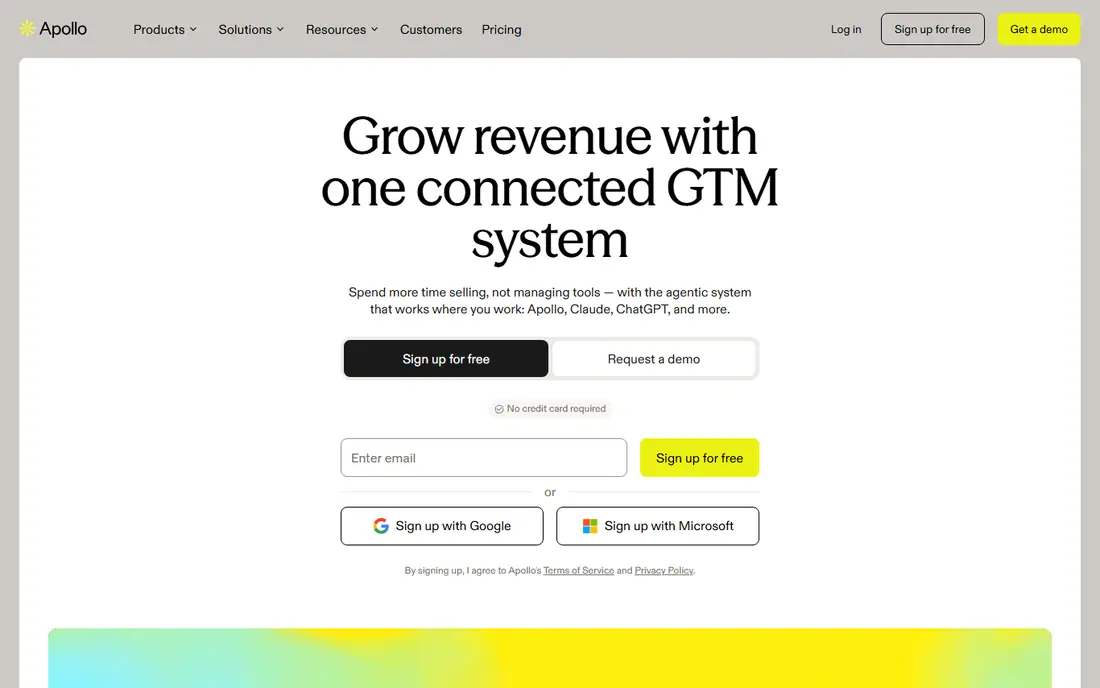
Apollo joins a contact and company database with email sequences, a dialer, and CRM enrichment, which makes it the simplest replacement for many teams. A rep can find a contact, enrich it, and start a sequence without buying three tools. The free plan lets small teams test data quality before paying.
The limits are phone data and seat cost. Cold calling teams may find mobile coverage thinner than ZoomInfo or Cognism, and ten seats cost ten times the headline price. For email-led prospecting, it is still the best balance of price and breadth.
- Large contact database
- Sequences and dialer included
- Published pricing and free plan
- Per-seat pricing adds up for large teams
- Phone coverage is thinner than ZoomInfo
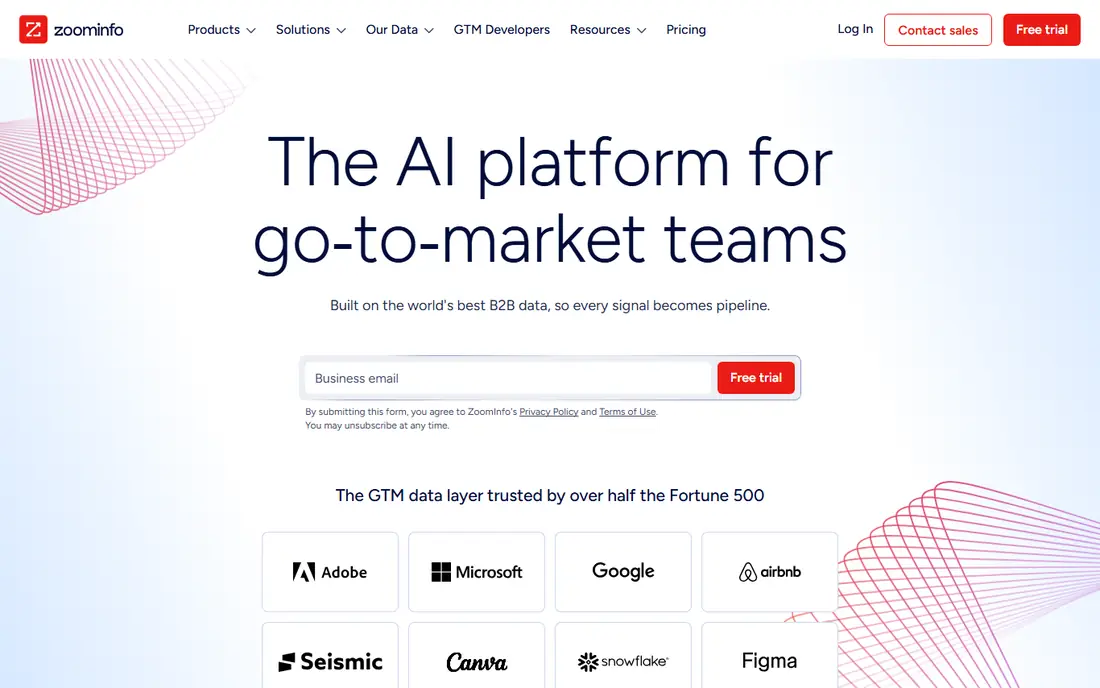
ZoomInfo is the enterprise benchmark for contact, company, technographic, and intent data. Large sales teams use it to build target lists, see buying signals, and map accounts with org charts. Its depth in US firmographics is hard to match for a smaller database tool.
Small firms should be cautious. Pricing is quote-based, contracts are usually annual, and a minimum seat count can make it costly for a team of two. It earns its place for enterprise teams that will use intent and account data daily, not for occasional lookups.
- Deep firmographic and intent data
- Large US coverage
- Org charts and buying signals
- No public pricing
- Annual contracts and minimum seats suit enterprises only
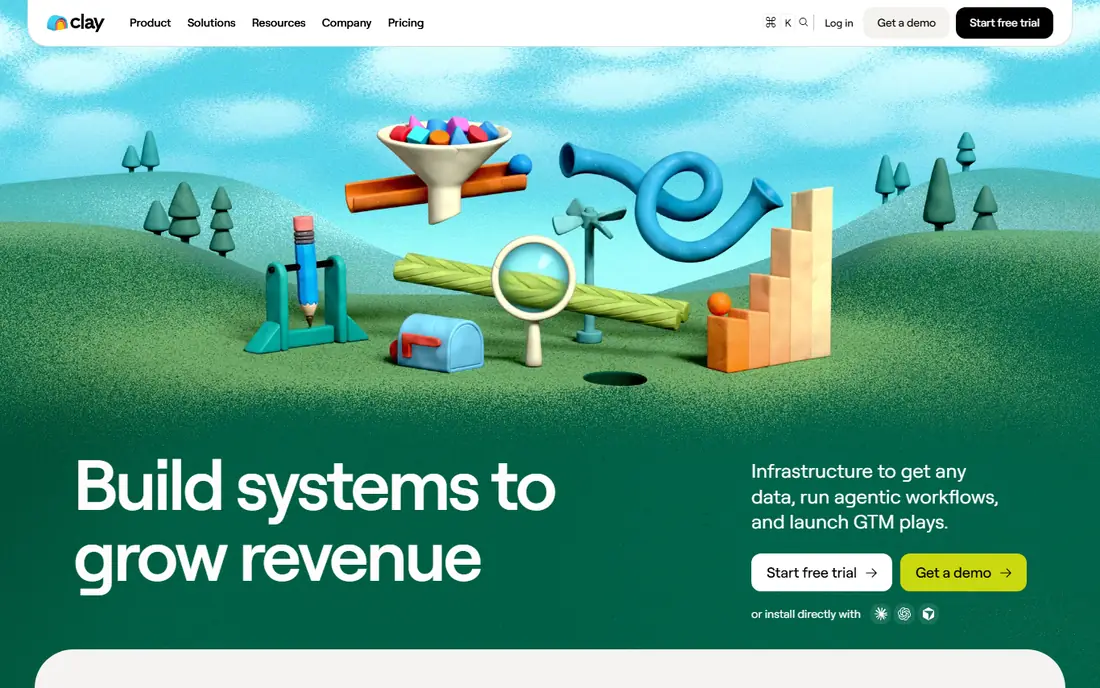
Clay does not rely on one database. It runs enrichment through a waterfall of many providers, moving to the next source when one has no match, which raises the share of records that get a verified email or phone number. Teams can also build custom workflows and use AI agents to research accounts.
That power needs skill. New users face a learning curve, and credit use across providers can grow quickly on large lists. For a team with a clear enrichment workflow and a data owner, Clay often beats a single database on match rate.
- Waterfall across many providers
- Flexible enrichment workflows
- AI research agents
- Learning curve is steep
- Credit costs can climb fast with large lists
Lusha suits reps who want a fast answer while browsing a profile or company page. Its extension surfaces emails and phone numbers quickly, and the credit model is easy to grasp. Individual reps and small teams can start free and scale credits as needed.
It is less strong as a full account research platform. Teams that need deep firmographics, intent, or bulk enrichment workflows should compare Apollo or Clay. For quick prospecting, Lusha is fast and practical.
- Fast browser extension lookups
- Simple credit system
- Useful for individual reps
- Firmographic depth is thinner
- Pricing and credit limits need careful checking
Cognism focuses on phone-verified mobiles and compliant European data, which matters for teams selling into Europe under GDPR. Its data quality for calling is a step above many US-first databases, and its compliance documentation helps legal and RevOps teams approve it.
Pricing is quote-based and there is no free trial in the usual sense, so evaluation needs a sales conversation. It also lacks a full outreach sequencer, so most teams pair it with a separate sending tool. For phone-led European outreach, it is still a top pick.
- Phone-verified mobile numbers
- Strong European coverage
- Clear compliance posture
- No public pricing
- No built-in sequencer for most plans
UpLead offers real-time verified contact data with simple filters for title, industry, location, and technology use. Small teams like the clear monthly price and the ability to build lists without a long contract. Email verification at the point of download reduces bounce rates.
Its database is smaller than the enterprise leaders, and it lacks deep intent or account mapping. For a small team that needs clean contacts for email outreach, that trade is acceptable, especially at a published price.
- Real-time verified emails
- Simple list building
- Monthly billing option
- Database is smaller than Apollo or ZoomInfo
- Fewer intent features
RocketReach is a straightforward lookup tool for emails and phones, used by both sales teams and recruiters. A user can search a person or company, see available contact details, and export a small list without learning a full platform. Free lookups let teams test coverage on their own target profiles.
Bulk enrichment and workflow automation are not its strength. Teams that need to enrich thousands of CRM records on a schedule should look at Clay or Apollo. For occasional, human-led lookups, RocketReach is simple and effective.
- Easy person and company lookups
- Useful for recruiting
- Free lookups to test
- Pricing and limits vary by plan
- Less suited to bulk enrichment workflows
Hunter does one job well: find and verify professional email addresses for a domain or person. Its domain search shows the email pattern for a company, and its verifier checks deliverability before sending. Developers can use its API to add email finding to a product or workflow.
It does not provide phone numbers, firmographics, or intent data, so it cannot replace a full database alone. Pair it with a contact database or a waterfall tool when phone data or company depth matters. For email-only enrichment, it is clean and affordable.
- Clear email finder and verifier
- Domain search
- Simple API for developers
- Email only, no phone data
- Not a full prospecting database
HubSpot acquired Clearbit, and its data now powers enrichment built into paid HubSpot Smart CRM plans. For a HubSpot team, that means company and contact records can be enriched without a separate vendor, contract, or sync job. It is the simplest path when the CRM is already HubSpot.
Firms that do not use HubSpot gain nothing from it, and it is not a standalone prospecting database in the way Apollo or ZoomInfo are. HubSpot teams should check which plan includes enrichment and what fields it fills before counting on it.
- Enrichment built into HubSpot
- Clearbit data now powers it
- No separate tool to manage
- Only useful inside HubSpot
- No standalone database or API-first plan for most buyers
How we picked these
We compared official pricing and feature pages, app store and directory listings, and public reviews, and we kept only tools that provide real person or company data for enrichment or prospecting. We mixed all-in-one platforms, waterfall tools, and API-friendly options, and we marked pricing as See website where a vendor does not publish it. We did not claim hands-on testing, and prices can change, so readers should confirm the current price on the vendor site before buying.
What to check before you buy
Start with a test list from your own market. Run the same 100 contacts through two or three tools and count verified emails, phones, and correct titles. A vendor database size means little if it is weak in your industry or region, and this test shows that in an afternoon.
Next, check how data enters your CRM. Does enrichment run on new records, on a schedule, or only by manual export? Manual exports decay fast, while automatic CRM enrichment keeps records useful. Also check duplicate handling, so enrichment does not create messy records.
Finally, check compliance and credit rules. Ask where data comes from, how opt-outs are handled, and whether credits expire. For European outreach, GDPR posture and phone verification matter more than a low headline price, and a tool that fits legal review will save time later.
Questions to ask on a demo
- What share of our test list gets a verified email and a phone number?
- How does enrichment run inside our CRM, and how are duplicates handled?
- Do credits expire, and what happens when we exceed them?
- How is data sourced, and how are opt-outs and corrections handled?
Sources
Frequently asked questions
What is the best People Data Labs alternative?
Apollo is the best all-round pick for most sales teams, while Clay is best for match rate and ZoomInfo is best for enterprise depth. API-first teams should also test Hunter and UpLead for simpler, cheaper enrichment.
Is there a free People Data Labs alternative?
Apollo, Clay, Lusha, RocketReach, and Hunter all offer free plans or free credits, though free tiers limit volume and hide some fields. Use a free tier to test coverage on your own target list before paying.
What is waterfall enrichment?
Waterfall enrichment checks several data providers in turn, moving to the next when one has no match. It raises the share of records that get an email or phone number, and Clay is built around this method.
How much do data enrichment tools cost?
Published starting prices on this list range from $34 to $185 per month, while ZoomInfo and Cognism are quote-based. Total cost depends on seats, credits, and overages, so test a real list before signing.
What happened to Clearbit?
HubSpot acquired Clearbit, and its data now powers enrichment inside paid HubSpot Smart CRM plans. Standalone Clearbit pricing is no longer the main path for most buyers.
Can I use these tools for recruiting?
Yes, RocketReach, Apollo, and Lusha are all used for recruiting lookups, but check each vendor terms for your use case. Recruiting teams should also test phone coverage, since email-only tools will miss calling needs.