Best Credit Monitoring Service in 2026: 8 Apps Compared
By ToolNimba Editorial Team October 28, 2026 10 min read

- Top pick
 Experian IdentityWorks
Direct bureau monitoring
Starting price$24.99 per monthCheck out Experian IdentityWorksRead our review - Runner-up
 Equifax Complete
Three-bureau alerts and lock tools
Starting price$19.95 per monthCheck out Equifax CompleteRead our review - Also great
 TransUnion Credit Monitoring
Direct TransUnion coverage
Starting price$24.95 per monthCheck out TransUnion Credit MonitoringRead our review
How we researched this
We compared official pricing and feature pages, app store listings, privacy policies and public user reviews. Prices change, so check the provider's site before you pay.
Key takeaways
- Three-bureau monitoring gives a fuller picture than a single-bureau score, because lenders do not all report to the same bureau.
- Experian and Equifax are strong direct-from-bureau options, while Aura and LifeLock bundle credit alerts with wider identity protection.
- Credit Karma is the best free starting point for basic monitoring, but it does not replace paid three-bureau alerts or identity theft insurance.
- A credit freeze at each bureau is free and can stop many new-account fraud attempts, so use it alongside monitoring, not instead of it.
- This is not financial advice. Check coverage, alert speed, and insurance terms on the vendor site before you pay.
Quick comparison
| Name | Best for | Starting price | Free plan | |
|---|---|---|---|---|
| Experian IdentityWorks | Direct bureau monitoring | $24.99 per month | Yes | Visit |
| Equifax Complete | Three-bureau alerts and lock tools | $19.95 per month | No | Visit |
| TransUnion Credit Monitoring | Direct TransUnion coverage | $24.95 per month | No | Visit |
 Aura | All-in-one identity protection | See website | Free trial | Visit |
 LifeLock by Norton | Identity theft protection bundle | See website | Free trial | Visit |
 IdentityForce | High insurance limits | $34.90 per month | Free trial | Visit |
 Credit Karma | Free basic monitoring | Free | Yes | Visit |
 myFICO | FICO score tracking | See website | No | Visit |
The best credit monitoring services
A good credit monitoring service alerts you when something changes on your credit file, such as a new account, a hard inquiry, or a change of address. The best choice depends on whether you need one bureau or all three, how fast alerts arrive, and whether you also want identity theft insurance and restoration help. We compared official feature pages, pricing pages, and public reviews.
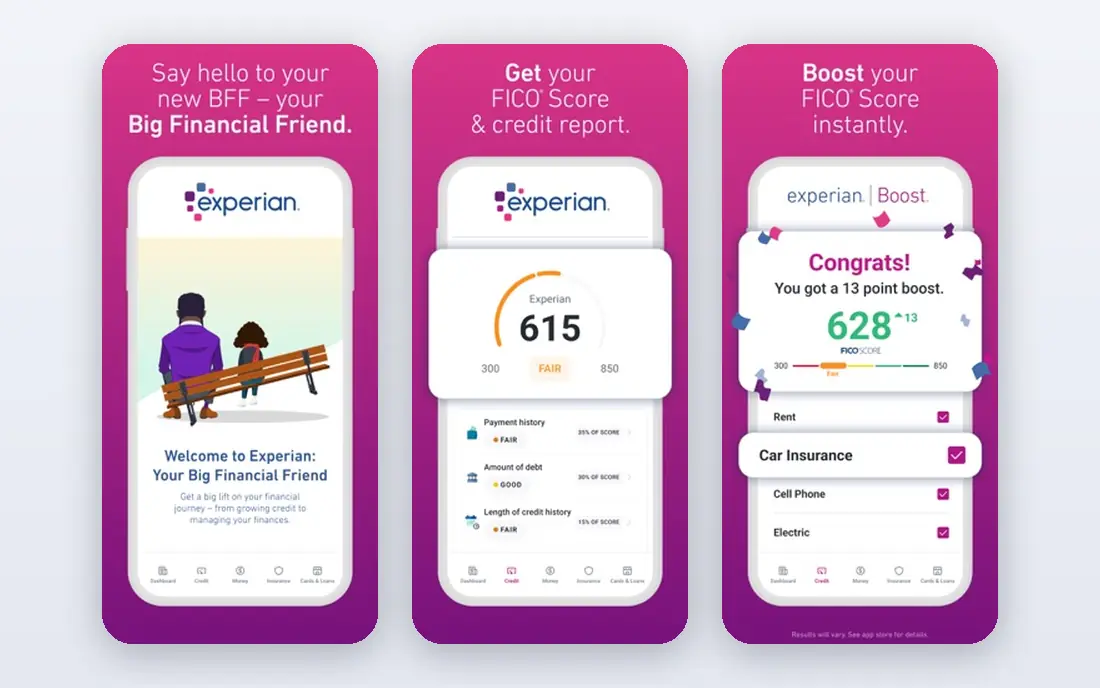
Experian IdentityWorks is our pick for people who want monitoring direct from a major bureau with a clear paid tier. The Premium plan includes three-bureau monitoring, daily score and report access on the Experian side, and alerts for changes that could signal fraud. It also adds dark web monitoring and identity theft insurance, which makes it a fuller package than a free score app alone.
The catch is price and patience. At $24.99 per month, it costs about $300 a year, so it suits people who value three-bureau alerts and insurance in one place. The free Experian tier is useful for basic Experian monitoring, but it does not give the same three-bureau alerts or insurance. This is not financial advice, and you should check current plan terms before you subscribe.
- Monitoring across Experian, Equifax, and TransUnion on paid plans
- Up to $1 million in identity theft insurance
- Dark web scans and fraud resolution help
- Full three-bureau coverage costs more than the free Experian tier
- Some features activate over several days
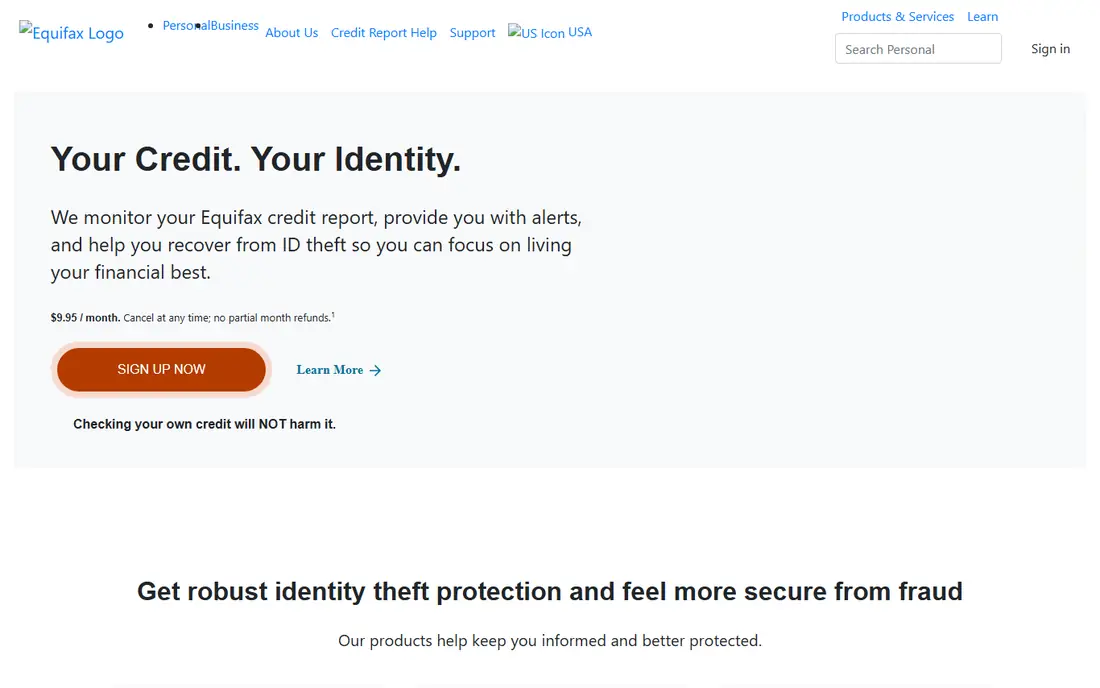
Equifax Complete Premier is a strong choice if you want three-bureau monitoring at a price below Experian Premium. It tracks changes across Equifax, Experian, and TransUnion, scans the dark web for exposed identifiers, and includes restoration support if identity theft occurs. The ability to lock your Equifax file from the same account is also handy when you want a quick pause on new credit checks.
The honest limit is that monitoring is detection, not prevention. A freeze at all three bureaus is free and can block many new accounts before they open, so pair Equifax monitoring with freezes for stronger protection. At $19.95 per month, it still needs to earn its keep against free scores from banks and card issuers.
- Three-bureau monitoring and scores
- Daily Equifax report access
- Up to $1 million in identity theft insurance
- Credit lock tools
- No free plan for the full service
- Family coverage costs more
- It detects fraud but does not prevent all account openings
TransUnion Credit Monitoring
Best for: Direct TransUnion coverage
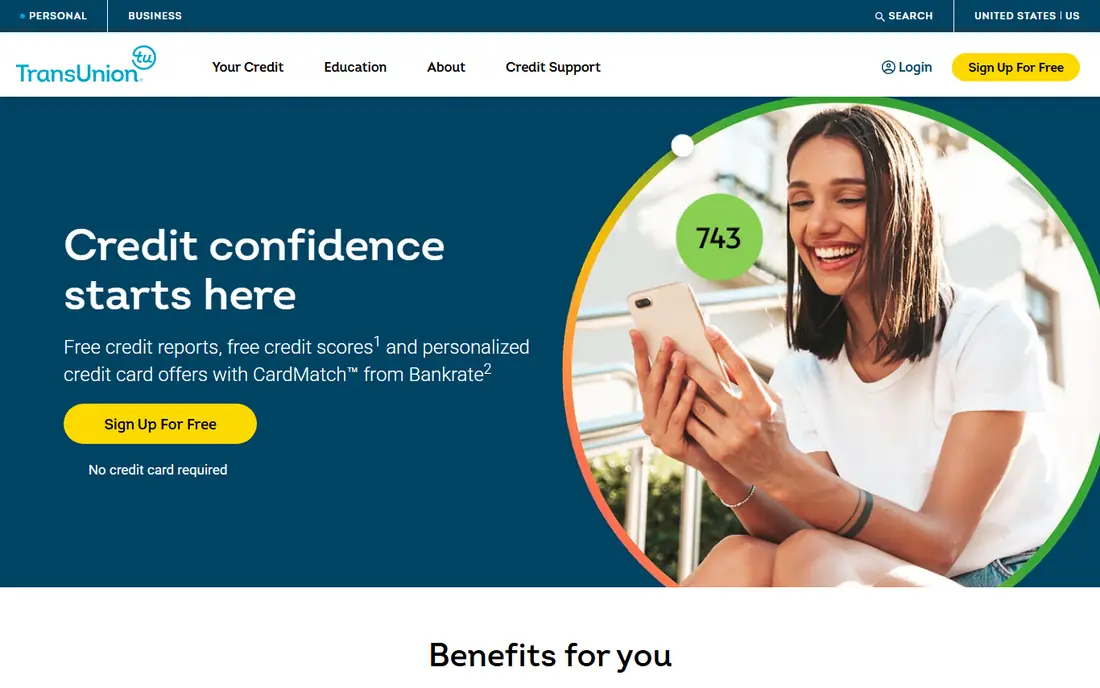
TransUnion Credit Monitoring suits people who have seen TransUnion-specific issues, such as a disputed item or a lender that reports mainly to TransUnion. Buying direct from the bureau can make report access and dispute steps feel more direct, and the paid service adds monitoring across bureaus plus insurance. If you already check TransUnion often, having alerts in one place can save time.
For most people, though, the choice comes down to price and bundle. At $24.95 per month, TransUnion is not the cheapest three-bureau option on this list. Compare it with Equifax Complete and Experian IdentityWorks on alert speed, insurance, and family coverage before you choose a bureau brand.
- Direct access to TransUnion data
- Three-bureau monitoring on paid plans
- Identity theft insurance and alerts
- Price is high for a single-bureau brand name
- Free alternatives cover basic score checks
Aura is our pick for households that want credit monitoring inside a wider safety app. Instead of paying separately for a VPN, antivirus, password manager, and credit alerts, Aura bundles those tools and adds parental controls on family plans. That single-app approach suits families who want one login, one bill, and one support team when something looks wrong.
The trade-off is that you pay for breadth. If you only need credit alerts, a bureau plan or a free monitor may be cheaper. Aura fits best when you would use several of its tools anyway, or when you want family coverage that includes children and older relatives in one plan.
- Credit monitoring plus identity, device, and family safety tools
- VPN, antivirus, and password manager in higher plans
- 24/7 support
- Wider bundle can be more than a credit-only buyer needs
- Pricing varies by plan and family size
LifeLock, now part of Norton, is a long-running option for people who want credit alerts plus identity theft restoration. It monitors credit files and personal information, scans the dark web, and offers help if your identity is misused. Bundling with Norton security software can also appeal to households that want device protection from the same provider.
The catch is comparison shopping. LifeLock has several tiers, and the most useful credit and identity features are not always on the entry plan. Check which bureaus are covered, what insurance limit applies, and whether restoration is handled by a dedicated team. This is not financial advice, and terms matter more than the brand name alone.
- Credit monitoring with identity theft protection
- Dark web monitoring
- Restoration support
- Norton security bundle options
- Pricing and plan names change often
- Full coverage sits on higher tiers
IdentityForce UltraSecure+ stands out for its higher insurance limit, which is up to $2 million on that tier, compared with $1 million from several rivals. It also monitors credit reports, the dark web, and public records, and offers identity restoration support. For people who have already faced identity theft, or who manage sensitive financial accounts, that extra cover can feel reassuring.
The price is the honest barrier. At $34.90 per month, it is a premium choice, and many buyers will not need the top tier. Check the lower UltraSecure plan as well, and compare its bureau coverage and insurance limit with Equifax and Experian before paying for the highest tier.
- Three-bureau monitoring
- Up to $2 million in identity theft insurance on UltraSecure+
- Dark web and social media monitoring
- Highest starting price on this list for the top tier
- Feature set can be complex for a first-time buyer
Credit Karma is the best free starting point on this list. It gives free access to Equifax and TransUnion scores and reports, with alerts when key details change. For many people, that is enough to spot a new account or a large balance change early, without paying $20 or more each month. It also helps you check reports more often than the once-a-year habit many people fall into.
The limit is scope. Credit Karma does not monitor Experian in the same way, and it does not include the insurance and restoration bundle that paid services offer. Use it as a free early-warning layer, add free credit freezes, and only upgrade to a paid service if you need three-bureau alerts, insurance, or family coverage.
- Free credit monitoring and scores from Equifax and TransUnion
- Alerts for report changes
- No monthly fee for core monitoring
- No three-bureau monitoring from all bureaus in one free view
- No paid identity theft insurance bundle
- Ads and product offers fund the free service
myFICO suits people who care most about the exact FICO scores lenders see. Many free apps show educational scores, while myFICO gives FICO scores and reports from the bureaus, with alerts when scores change. That detail helps before a mortgage, auto loan, or card application, when a small score difference can affect terms.
It is less of an all-in-one identity service than Aura or LifeLock. If you want dark web scans, device protection, and family tools, look elsewhere. If your main goal is to track FICO scores, understand what moved them, and check reports before a major application, myFICO is a focused and credible choice.
- Direct FICO scores used by many lenders
- Three-bureau report access on paid plans
- Score change alerts and simulators
- Focus is scores more than wider identity protection
- Pricing varies by plan and report frequency
How we picked these
We compared official feature pages, pricing pages, and public reviews for each service. We favored services that clearly state which bureaus they monitor, how alerts work, and what insurance and restoration help is included. We left out services that did not clearly offer credit monitoring in the United States, and we did not include ToolNimba itself. Prices and insurance limits change, so confirm the current plan page before you subscribe. This is not financial advice.
How to choose the right level of cover
Start by deciding whether you need one bureau or all three. If a lender, landlord, or past dispute points to one bureau, a single-bureau view may be enough for a short period. If you want the fullest early warning, three-bureau monitoring is the safer default, because a fraudulent account may appear on only one report at first.
Use freezes alongside monitoring
A credit freeze is free at Equifax, Experian, and TransUnion, and it restricts access to your file for new credit applications. Monitoring tells you after a change; a freeze can stop many new accounts before they open. Keep a note of your freeze PINs or online accounts, and learn how to lift a freeze temporarily before you apply for credit.
Check alert speed and insurance terms
Ask how quickly alerts arrive, whether they cover all three bureaus, and what the insurance actually covers. Some policies cover stolen funds and legal costs up to a limit, while others focus on restoration help. Read the exclusions, the claim process, and whether family members are covered on your plan.
Decide if a bundle saves money
Add up what you already pay for a VPN, antivirus, or password manager before buying an all-in-one plan. Aura and LifeLock can save money if you use those tools, but they cost more than a credit-only plan if you do not. A free monitor plus freezes may be the best value for a careful buyer on a tight budget.
Sources
- https://www.experian.com/protection/identityworks.html
- https://www.equifax.com/personal/products/credit-monitoring/
- https://www.transunion.com/credit-monitoring
- https://www.aura.com/pricing
- https://lifelock.norton.com/pricing
- https://www.identityforce.com/pricing
- https://www.creditkarma.com/credit-monitoring
- https://www.myfico.com/products