Best EDR Tools in 2026: 9 Tools Compared
By ToolNimba Editorial Team October 28, 2026 9 min read

- Top pick
 CrowdStrike Falcon
Small to large teams wanting a cloud EDR
Starting price$7.99 per device per monthCheck out CrowdStrike FalconRead our review - Runner-up
 Microsoft Defender for Endpoint
Microsoft 365 shops
Starting price$5.20 per user per monthCheck out Microsoft Defender for EndpointRead our review - Also great
 SentinelOne Singularity
Automated response and rollback
Starting price$69.99 per endpoint per yearCheck out SentinelOne SingularityRead our review
How we researched this
We compared official pricing and feature pages, app store listings, privacy policies and public user reviews. Prices change, so check the provider's site before you pay.
Key takeaways
- The best edr software depends on team size, existing licenses, and whether you have staff to run alerts every day.
- Microsoft Defender for Endpoint is often the cheapest route for companies already on Microsoft 365.
- CrowdStrike Falcon and SentinelOne publish clear entry prices, which makes budgeting easier than quote-only rivals.
- A tool that only detects threats is not enough; check response actions, data retention, and managed detection options before you buy.
Quick comparison
| Name | Best for | Starting price | Free plan | |
|---|---|---|---|---|
| CrowdStrike Falcon | Small to large teams wanting a cloud EDR | $7.99 per device per month | Free trial | Visit |
| Microsoft Defender for Endpoint | Microsoft 365 shops | $5.20 per user per month | Free trial | Visit |
| SentinelOne Singularity | Automated response and rollback | $69.99 per endpoint per year | Free trial | Visit |
 Sophos Intercept X | Mid-market ransomware defense | See website | Free trial | Visit |
 Bitdefender GravityZone | Low-cost endpoint protection | $3 per device per month | Free trial | Visit |
 Trend Micro Vision One | Broad multi-layer coverage | See website | Free trial | Visit |
 Palo Alto Cortex XDR | Palo Alto network customers | See website | Free trial | Visit |
 ESET PROTECT | Lean IT teams and mixed systems | See website | Free trial | Visit |
 VMware Carbon Black | Enterprises needing deep endpoint control | See website | Free trial | Visit |
The best edr tools
We compared official feature pages, pricing pages, and public reviews, with a focus on detection, response, and total cost. Endpoint detection and response, or EDR, goes beyond antivirus by recording endpoint activity, flagging suspicious behavior, and helping teams isolate or roll back a device.
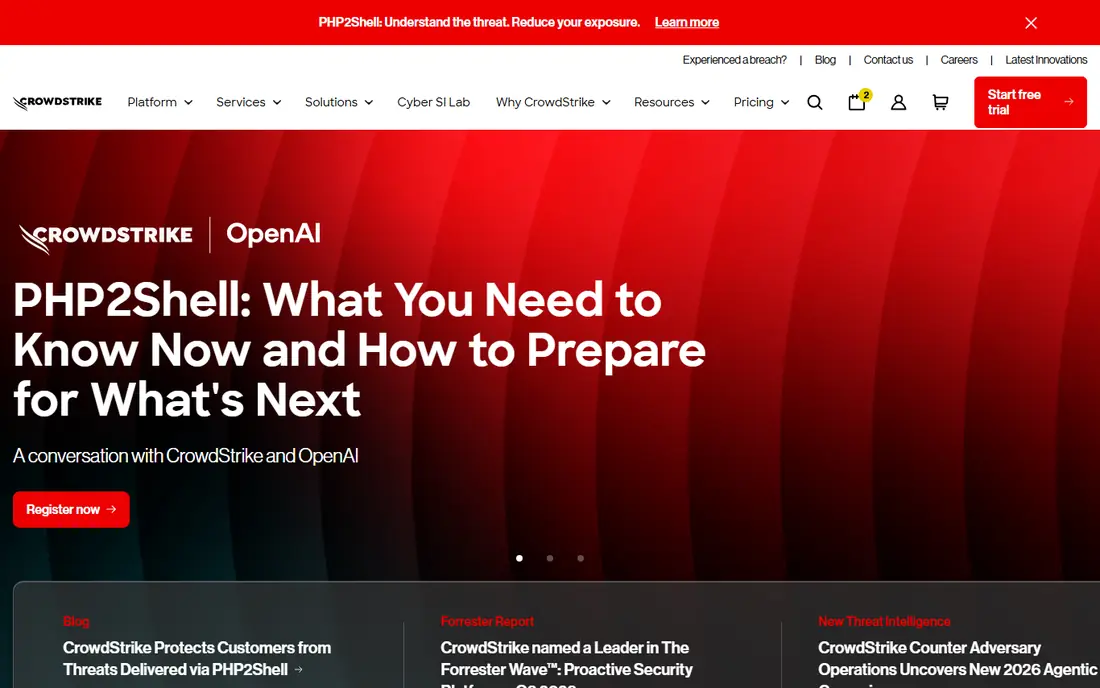
CrowdStrike Falcon is the best-known name in this list for a reason. Its cloud console manages endpoints without on-site servers, and its published bundles make it easier to compare Go, Pro, and Enterprise than with quote-only vendors. Falcon Go starts at $7.99 per device per month on monthly billing, or $59.99 per device per year.
The honest catch is scope. Basic prevention is not the same as full detection and response, so read what each bundle includes. Larger teams should also budget for staff or a managed service to handle alerts, since the tool alone does not replace a security team.
- Cloud-native agent
- Clear published bundles
- Strong threat intelligence
- Higher tiers cost much more
- Managed response is a separate purchase
Microsoft Defender for Endpoint
Best for: Microsoft 365 shops
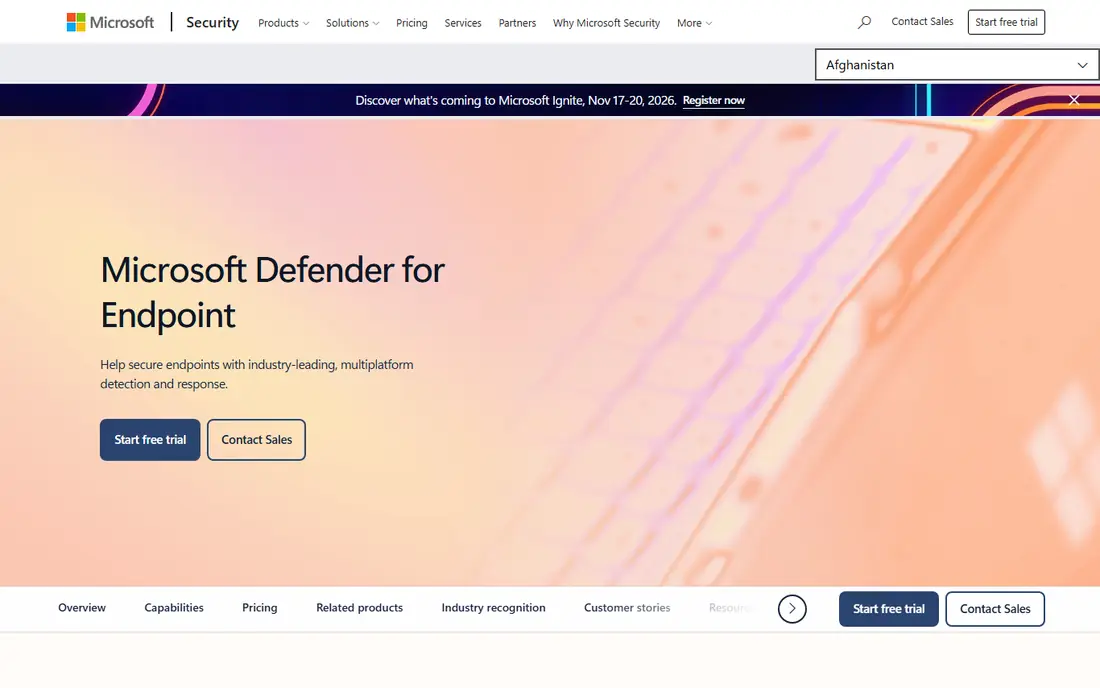
Microsoft Defender for Endpoint is the practical pick for many companies, because it may already be partly paid for. Plan 1 covers core antivirus and attack surface reduction, while Plan 2 adds endpoint detection and response, automatic attack disruption, and threat intelligence. Standalone Plan 2 is listed around $5.20 per user per month, and it is also included in Microsoft 365 E5.
The downside is licensing complexity. The cheapest route depends on whether you already hold E3, E5, or a Defender Suite add-on, and servers need separate licenses. If your team lives in Microsoft tools, start here before buying a second console.
- Deep Windows integration
- Plan 2 adds full EDR
- Often bundled with Microsoft 365
- Pricing is confusing across bundles
- Server licenses are separate
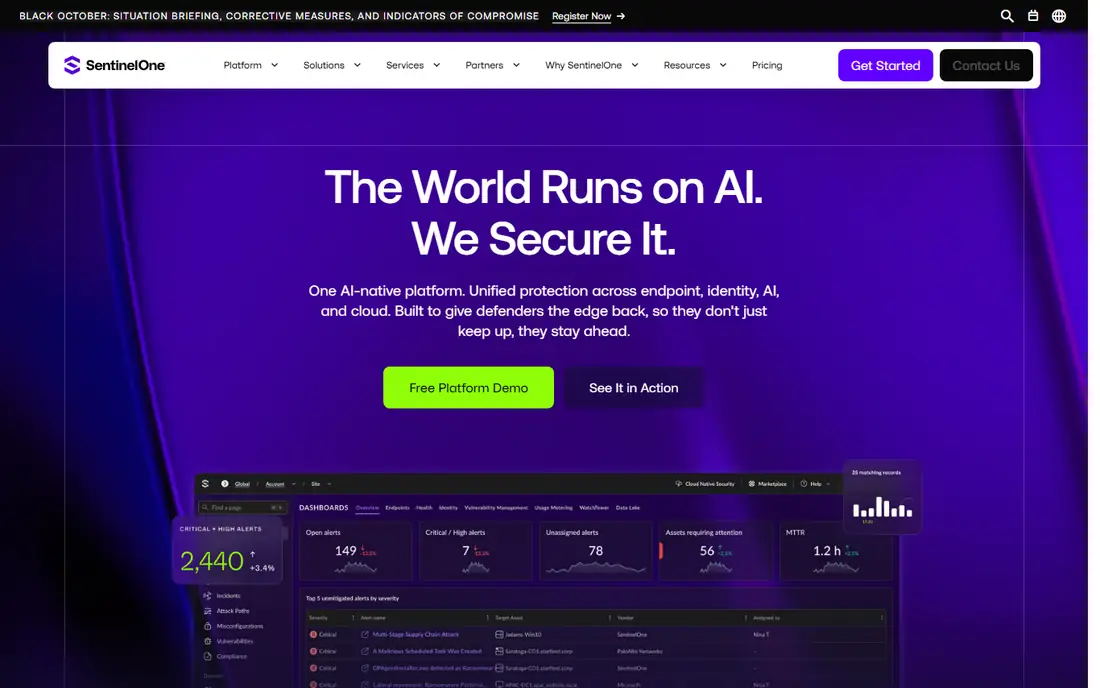
SentinelOne pitches autonomous response, and its ransomware rollback is the feature buyers mention most. The agent can isolate a device and roll back files after an attack, which can cut recovery time when no analyst is watching the console. Core starts at $69.99 per endpoint per year, with Control, Complete, and Commercial above it.
Most teams evaluating real EDR will need Complete or higher, so the entry price is not the full story. Data retention also matters for investigations, and longer retention can add cost. Still, for teams that want fast automatic action, SentinelOne is a strong shortlist pick.
- Automated quarantine and ransomware rollback
- Published tier prices
- Cloud and on-site options
- Full EDR features sit on higher tiers
- Extended retention costs extra
Sophos Intercept X, now sold as Sophos Endpoint with EDR, XDR, and MDR tiers, is a mid-market favorite. Its anti-ransomware technology watches file activity and can roll back encrypted files, and synchronized security links endpoints with Sophos firewalls for a shared view of threats. That pairing suits companies that already use Sophos network gear.
Pricing is the main frustration. Sophos sells through partners and quotes, so you cannot compare a firm price from its website alone. Get a written quote for the exact tier, device count, and support level before you compare it with published rivals.
- CryptoGuard ransomware rollback
- Syncs with Sophos firewalls
- EDR and XDR tiers available
- No public list price
- Console can feel complex for new admins
Bitdefender GravityZone is our pick for budget-conscious teams that still want strong protection. It starts around $3 per device per month, and its agent is known for low impact on older machines. The platform covers endpoints, servers, and virtual environments from one console, which helps small IT teams avoid juggling tools.
The console is not the simplest here, and support experiences vary by region. Plan a short pilot on your oldest machines first, since performance on weak hardware is where cheap tools often fail. For protection per dollar, GravityZone is hard to beat.
- Low entry price
- Light agent
- Covers endpoints, servers, and virtual systems
- Console takes time to learn
- Some advanced features need higher tiers
Trend Micro Vision One is the breadth play in this list. It brings endpoint protection, email security, server and cloud workload protection, and attack surface risk management under one platform. That scope suits companies that want one vendor across a mixed estate, including operational technology.
The trade-offs are effort and price opacity. Trend Micro does not publish prices, so budget talks need a partner quote, and initial tuning takes work. Use the 30-day trial for a real pilot on up to 50 endpoints before you commit.
- Covers endpoints, email, servers, and cloud workloads
- Attack surface management
- 30-day trial
- No published pricing
- Setup and tuning take more effort
Cortex XDR stands out when you already run Palo Alto firewalls. It pulls endpoint, network, cloud, and identity signals into one timeline, which helps analysts trace an attack across systems instead of checking each tool in turn. Behavior analytics flag activity that signature-based antivirus would miss.
Outside the Palo Alto ecosystem, the value is less clear, and pricing is quote-only with add-ons for retention and ingestion. If your network is already Palo Alto, Cortex XDR deserves a top slot. If not, a simpler EDR may deliver faster results.
- Fuses endpoint, network, cloud, and identity telemetry
- Strong fit with Palo Alto firewalls
- Behavior analytics
- Quote-only pricing
- Licensing and add-ons can get complex
ESET PROTECT suits small IT teams that need coverage without a long rollout. Its cloud console is easy to learn, deployment is quick, and it covers Windows, Mac, Linux, and mobile devices. Ransomware blocking and centralized reporting are strengths for companies with limited security staff.
Business pricing requires a quote, which makes early comparison harder. A few users also report that file checks can block legitimate apps, so test your core business software during the trial. For lean teams, ESET is a sensible, low-friction pick.
- Simple console and fast deployment
- Covers Windows, Mac, Linux, and mobile
- Strong ransomware blocking
- No public price for business tiers
- Some users report overzealous file checks
VMware Carbon Black
Best for: Enterprises needing deep endpoint control
VMware Carbon Black, now part of Broadcom, targets enterprises that want tight control over what runs on each endpoint. Its application control and endpoint detection features help security teams lock down high-risk systems and investigate suspicious processes in detail. Large companies with mature security operations get the most from it.
That depth comes with a cost in skill and setup. Smaller teams without dedicated analysts may find simpler EDR tools easier to run day to day. Carbon Black fits best where endpoint control is a compliance or risk requirement, not just a nice extra.
- Deep endpoint visibility and control
- Application control options
- Enterprise integrations
- Quote-only pricing
- Needs skilled staff to get full value
How we picked these
We compared official feature pages, pricing pages, and public reviews, and kept only endpoint protection and EDR platforms that are sold and supported in 2026. We favored products with clear EDR features, cross-platform coverage, and a real trial or demo route. We did not claim hands-on testing. Where a vendor does not publish a price, we wrote See website rather than guessing from old listings.
How to choose the right EDR
Start by counting what you must protect. EDR vendors price per device, per user, or by quote, so a company with many devices per person can get very different totals from two vendors. List workstations, servers, and mobile devices separately, and ask whether servers are included.
Staffing matters as much as software
An EDR tool will generate alerts, and someone must triage them. If you have no security analyst, look at managed detection and response, or MDR, where the vendor or a partner watches alerts for you. A cheaper self-managed tool that no one monitors can be worse than a managed service that acts at night.
Run a pilot, not just a demo
Use the trial on a mix of machines, including older laptops and one server if your license covers it. Test isolation, rollback, and reporting, and check how much CPU the agent uses during a scan. Ask about data retention, since short retention can limit investigations after a breach is found late.
Sources
- https://www.crowdstrike.com/en-us/pricing
- https://www.microsoft.com/security/business/endpoint-security/microsoft-defender-endpoint
- https://www.sentinelone.com/pricing
- https://www.sophos.com/en-us/products/endpoint-antivirus
- https://www.bitdefender.com/business
- https://www.trendmicro.com/en_us/business/products/one-platform.html
- https://www.paloaltonetworks.com/cortex/cortex-xdr
- https://www.eset.com/us/business
- https://www.vmware.com/products/carbon-black