Best SEO Rank Tracking Software in 2026: 9 Tools Compared
By ToolNimba Editorial Team October 28, 2026 12 min read

- Top pick
 Google Search Console
Free baseline from Google
Starting priceFreeCheck out Google Search ConsoleRead our review - Runner-up
 Semrush
Rank tracking inside a full suite
Starting price$139 per monthCheck out SemrushRead our review - Also great
 Ahrefs
Link-led SEO with rank tracking
Starting price$29 per monthCheck out AhrefsRead our review
How we researched this
We compared official pricing and feature pages, app store listings, privacy policies and public user reviews. Prices change, so check the provider's site before you pay.
Key takeaways
- Google Search Console is the free baseline every site should use, since it shows real clicks and average positions straight from Google.
- Semrush and Ahrefs suit teams that want rank tracking inside a wider SEO suite, while AccuRanker and SE Ranking suit teams that track large keyword sets daily.
- Keyword counts are not counted the same way by every vendor, so compare how locations, devices, and search engines affect your allowance before you buy.
- AI Overviews and AI search visibility are now a separate question from classic rankings, and not every tracker measures them in the same way.
- Small sites should start with a free or low-cost tracker and upgrade only when keyword volume, reporting, or client work makes the cost easy to justify.
Quick comparison
| Name | Best for | Starting price | Free plan | |
|---|---|---|---|---|
| Google Search Console | Free baseline from Google | Free | Yes | Visit |
| Semrush | Rank tracking inside a full suite | $139 per month | Yes | Visit |
| Ahrefs | Link-led SEO with rank tracking | $29 per month | Yes | Visit |
 SE Ranking | Daily tracking at volume | $129 per month | Free trial | Visit |
 AccuRanker | Fast daily tracking and exports | $224 per month | Free trial | Visit |
 Moz Pro | Small teams wanting pro data | $49 per month | Free trial | Visit |
 Wincher | Simple low-cost daily tracking | See website | Yes | Visit |
 Nightwatch | Agencies and local tracking | See website | Free trial | Visit |
 Advanced Web Ranking | Large-scale custom reporting | $139 per month | Free trial | Visit |
The best SEO rank tracking software
Rank tracking sounds simple until you add locations, mobile results, local packs, and AI Overviews. We compared official pricing pages, feature documentation, and public reviews to find tools that fit freelancers, small businesses, and agencies. Prices below are starting monthly figures from vendor pricing pages in October 2026, and allowances differ by plan, so check the live page for your keyword count.
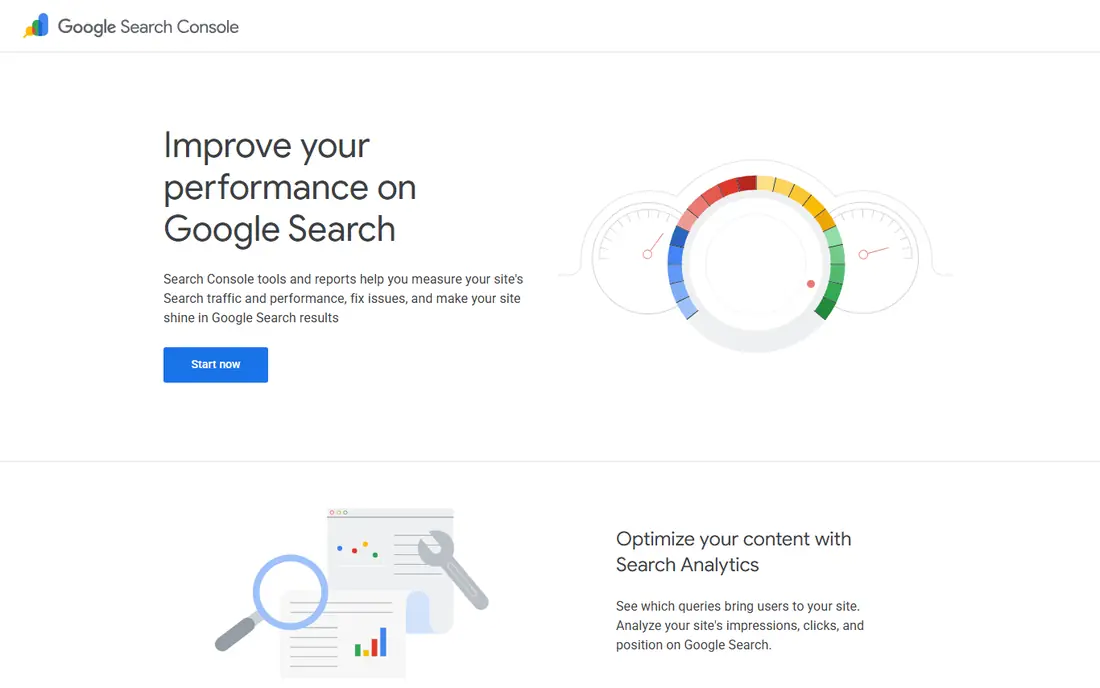
Every site owner should start here, even if they later buy a paid tracker. Search Console shows which queries bring clicks, which pages rank, and how average position moves over time, all from Google itself. It also flags indexing and mobile usability problems, which makes it useful beyond rankings alone. The limits are real. You get averages with a short delay, not a daily snapshot for each keyword in each city, and you cannot track competitors or set the kind of alerts an agency needs. Use Search Console as your source of truth for traffic, then add a paid tool when you need daily positions, local tracking, or client reports.
- Free first-party data from Google
- Shows clicks, impressions, and average position
- Covers up to 16 months of history
- Positions are averages, not daily rank snapshots
- No competitor tracking
- Limited reporting and alerts
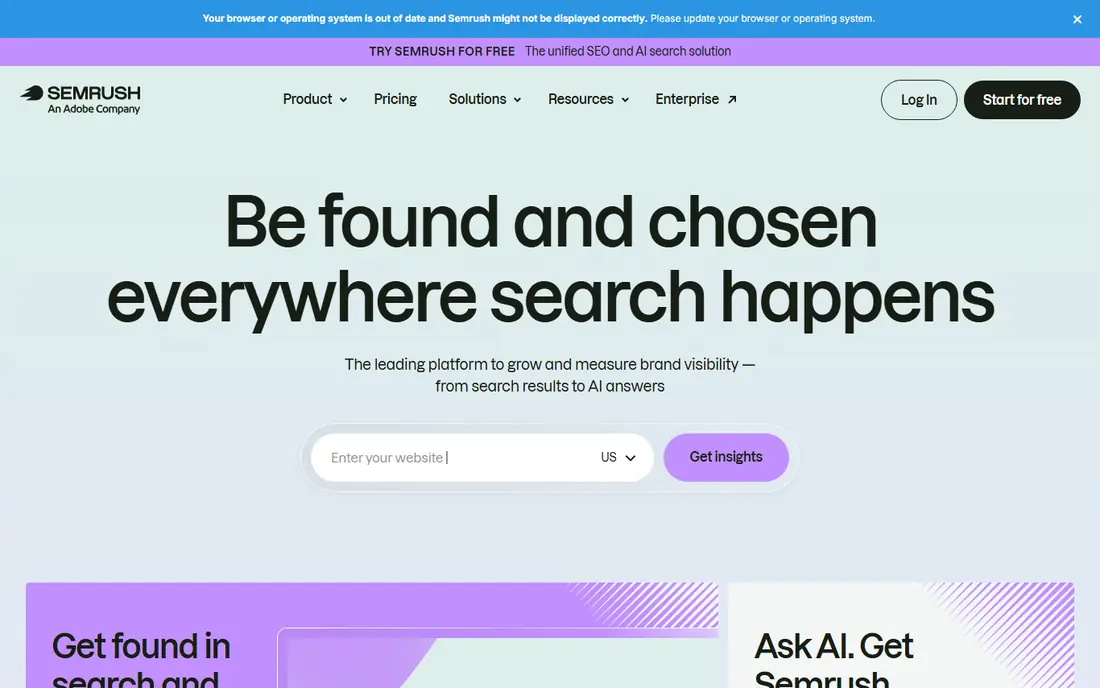
Semrush is the pick for teams that want one subscription to cover most SEO work. Its rank tracker updates daily, supports desktop and mobile, and sits next to keyword research, site audits, backlink data, and competitor reports. In 2026 the company reorganized its plans around an SEO plan at $139 per month, with higher tiers for larger teams, and added AI visibility tracking for how brands appear in AI answers. The trade-off is price growth. Seats, add-ons, and larger keyword allowances raise the bill, and the limited free account only allows a handful of daily searches. Choose Semrush when your team will use the suite beyond rankings. If you only need positions, a dedicated tracker will usually give you more keywords for the money.
- Daily rank tracking plus keyword research, audits, and backlinks
- Wide geographic coverage
- AI visibility tracking on newer plans
- Entry plan covers 500 keywords, which small agencies can outgrow fast
- Extra seats add cost quickly
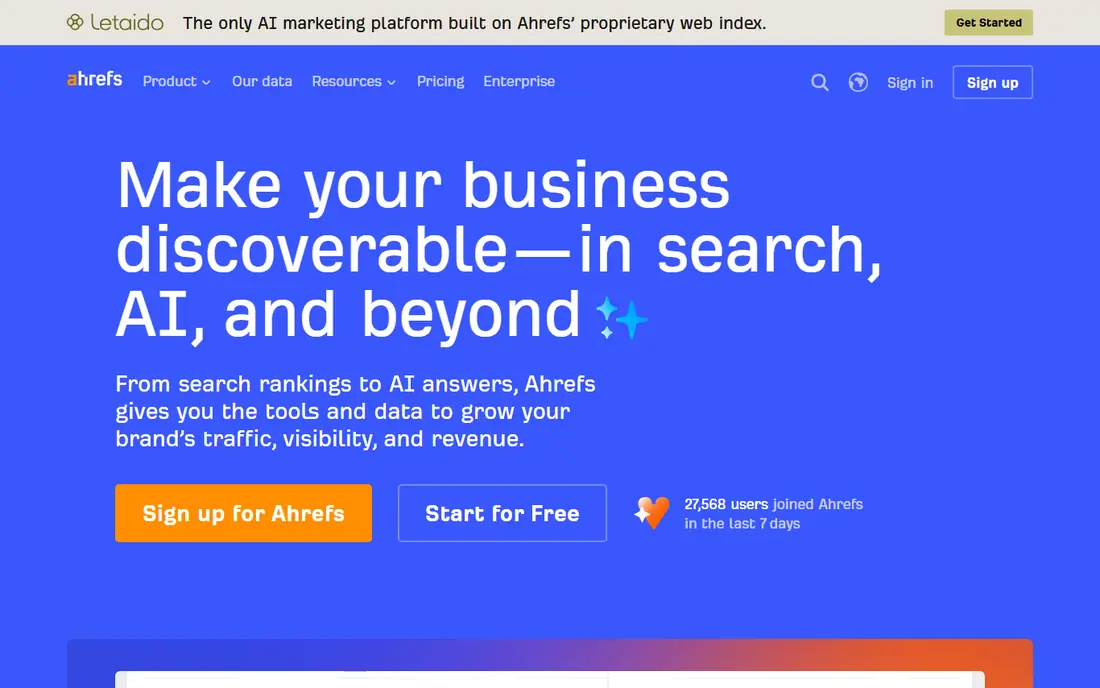
Ahrefs is best known for backlinks, and its rank tracker works well for users who already live in that data. You can follow your main keywords, compare them with competitors, and jump straight into the pages and links behind a ranking change. The $29 Starter plan is an affordable entry point, though its tracked keyword allowance is small, and the Lite plan at $129 per month suits larger sites. The main catch is update frequency. On standard plans, rank checks are weekly, which is fine for content sites and slower niches but less useful for agencies that report daily movement or watch volatile local results. Pick Ahrefs when link research and content analysis matter as much as positions, and pick a dedicated tracker when daily checks are the priority.
- Strong backlink and keyword databases
- Simple rank tracker for core keywords
- Useful content and competitor tools
- Standard rank tracking updates weekly, not daily
- Higher tiers are needed for larger keyword sets and full API access
SE Ranking gives strong value for agencies and growing sites that track many keywords every day. The Core plan lists $129 per month for 2,000 keywords with daily updates, which beats the entry allowances of the big suites. Reports are easy to brand for clients, and the platform covers audits, keyword research, and backlink checks alongside rankings. It is not quite as deep as Ahrefs for link data, and teams that need very large enterprise reporting may still need a second tool. For most freelancers and agencies, though, the balance of daily checks, keyword volume, and report quality is hard to beat. Try the trial with your real keyword list, including locations and devices, before you commit.
- Daily tracking for 2,000 keywords on the entry plan
- Strong reporting and white-label options
- AI search tracking included on current plans
- The full suite is less deep than Semrush or Ahrefs for backlink research
- Costs rise with extra projects and users
AccuRanker is built for teams that care about speed and clean data. It updates rankings daily, allows on-demand re-checks when a client asks what changed, and exports data in formats that feed dashboards and spreadsheets without much cleanup. That speed matters for agencies handling volatile niches, local packs, or large keyword sets across many locations. The price is the barrier. At $224 per month for the entry tier, it is hard to justify for a single small site, and there is no free plan to test long term. It earns its cost when you track thousands of keywords, share data across a team, or need instant checks during a site migration or algorithm update.
- Fast on-demand and daily rank checks
- Clean data exports
- Unlimited users on paid plans in many cases
- Highest starting price on this list
- No free plan, only a trial or refund window in some regions
Moz Pro suits small businesses and small teams that want credible SEO data without paying suite prices. The entry plan starts at $49 per month and includes rank tracking, keyword research, site audits, and link data, plus the widely cited Domain Authority metric for comparing sites. Its guides and learning hub also help newer users understand what a ranking change means. The limits show up at scale. Keyword allowances are smaller than dedicated trackers, and teams tracking many locations will outgrow the entry plan. If you run one site or a handful of clients and you value clear reports over raw keyword volume, Moz Pro is a sensible middle ground between free tools and the big suites.
- Affordable entry into pro SEO data
- Domain Authority and ranking history in reports
- Clear learning resources
- Smaller keyword allowances than SE Ranking at a similar level
- Rank tracking is one part of a broader suite, not a specialist tool
Wincher is the tracker to try when you want daily positions without learning a full SEO platform. Setup is quick, the dashboard shows ranking history and movement at a glance, and competitor tracking helps small sites see who gained ground after an update. A free tier covers small keyword sets, which makes it easy to test with your most important pages. The trade-off is depth. You will not get the same backlink database, content tools, or audit detail as the large suites, and pricing is listed in euros on some pages, so check the converted cost for your region. For bloggers, freelancers, and local businesses that mainly need reliable daily ranks, that simplicity is a plus rather than a gap.
- Simple setup and daily updates
- Clear ranking history and competitor views
- Free tier for small keyword sets
- Fewer advanced suite features than Semrush or Ahrefs
- Pricing varies by currency and billing period
Nightwatch fits agencies and local businesses that track many locations. It supports daily checks, on-demand refreshes, and views by city or region, which matters when a ranking in one town does not match the ranking in the next town. Reporting tools help agencies share progress without building dashboards from scratch, and newer AI search tracking covers visibility beyond classic blue links. Pricing needs a careful read, since the entry tier is listed in euros and billed yearly on the vendor site, so confirm the monthly equivalent before you compare it with dollar-priced tools. The platform also works best when you invest time in structuring projects and reports. If you track local rankings for clients, that setup time pays off quickly.
- Daily and on-demand tracking
- Local and multi-location views
- AI search tracking for newer search surfaces
- Entry pricing is listed in euros and billed yearly
- Interface rewards users who set up reports carefully
Advanced Web Ranking has served agencies for years, and its strength is scale plus control. The entry plan lists $139 per month with thousands of weekly ranking units and flexible check schedules, so large projects do not hit a ceiling as fast as they do on suite trackers. Report builders let agencies shape client views by search engine, device, location, and tag, which suits teams with varied clients. The design is more technical than modern rivals, and new users may need time to learn projects, units, and report templates. API access also requires a higher tier, so check that before you plan a custom dashboard. For agencies that track at volume and want reports their way, Advanced Web Ranking remains a dependable specialist.
- Large keyword capacity on the entry plan
- Flexible daily, weekly, or on-demand checks
- Highly customizable reports
- Interface feels more technical than newer tools
- API access sits on higher tiers
How we picked these
We compared official pricing pages and feature documentation for each tool, along with public reviews and comparison guides updated in October 2026. We kept tools that are actively sold in the United States, that track Google rankings at least, and that state a starting price or a clear free or trial option. We favored a mix of free baselines, full suites, and dedicated trackers, so readers can match the tool to keyword volume, update frequency, and reporting needs rather than to marketing claims alone. Prices change, so verify the live pricing page for your keyword count, locations, and billing period before you buy.
How to choose the right tracker
Count keywords the way the vendor counts them
A keyword is not one unit everywhere. Some vendors count each location and device as a separate slot, while others count ranking units per check. List your keywords, locations, and devices first, then ask each vendor how that list maps to its plan. This step alone can change the cheapest option.
Decide how often you need updates
Daily tracking suits agencies, local businesses, and volatile niches. Weekly tracking suits content sites that change slowly and report monthly. Paying for daily checks you never open wastes money, while weekly checks can hide a sudden drop after a site change. Match frequency to how fast you can act on the data.
Check local, mobile, and AI coverage separately
A tool can be strong on national desktop rankings and weak on local packs or AI Overviews. If local customers matter, test map and local pack tracking. If AI answers matter, check whether the tool tracks AI Overviews, AI Mode, or chatbot citations, and what exactly it counts. Do not assume one score covers all three.
Test reporting before you pay for a year
Annual billing saves money, but only if the reports fit your workflow. Run a trial with real keywords, export a report, and share it with a client or a colleague. If the report needs heavy cleanup, or if alerts go to the wrong people, that friction will cost more than the annual discount saves.
Sources
- https://search.google.com/search-console
- https://www.semrush.com
- https://ahrefs.com
- https://www.seranking.com
- https://www.accuranker.com
- https://moz.com
- https://www.wincher.com
- https://www.nightwatch.io
- https://www.advancedwebranking.com
- https://subscribepr.com/blog/best-rank-tracking-tools-2026/
- https://geekflare.com/guides/best-rank-tracking-software/