Best Spanish Learning App in 2026: 10 Apps Compared
By ToolNimba Editorial Team October 28, 2026 11 min read

- Top pick
 Duolingo
Free daily practice for beginners
Starting priceFreeCheck out DuolingoRead our review - Runner-up
 Babbel
Structured grammar and conversation lessons
Starting priceSee websiteCheck out BabbelRead our review - Also great
 Rosetta Stone
Immersive vocabulary and pronunciation
Starting priceSee websiteCheck out Rosetta StoneRead our review
How we researched this
We compared official pricing and feature pages, app store listings, privacy policies and public user reviews. Prices change, so check the provider's site before you pay.
Key takeaways
- Duolingo is the easiest free start, but it works best for beginners and daily habit building.
- Babbel and Busuu suit learners who want structured grammar and clear progress levels.
- Pimsleur and SpanishPod101 are strong for listening and speaking practice away from a screen.
- italki is the best route to real conversation, because you speak with a human tutor.
- No single app takes you to fluency alone, so pair daily practice with speaking and listening to real Spanish.
Quick comparison
| Name | Best for | Starting price | Free plan | |
|---|---|---|---|---|
| Duolingo | Free daily practice for beginners | Free | Yes | Visit |
| Babbel | Structured grammar and conversation lessons | See website | No | Visit |
| Rosetta Stone | Immersive vocabulary and pronunciation | See website | No | Visit |
 Pimsleur | Audio-first learning on the go | See website | Free trial | Visit |
 Busuu | CEFR-structured courses with peer feedback | See website | Yes | Visit |
 Memrise | Vocabulary from real native-speaker video | See website | Yes | Visit |
 italki | Live lessons with human tutors | $4 per lesson | No | Visit |
 Rocket Languages | Complete self-paced Spanish course | $99.95 one-time | Free trial | Visit |
 Mondly | Bite-size lessons across many topics | See website | Yes | Visit |
 SpanishPod101 | Podcast-style listening lessons | See website | Yes | Visit |
The best Spanish learning apps
We compared official course pages, pricing pages, app store listings, and public reviews for each app. We focused on Spanish specifically, not just general language apps, and on what each one does well at a given level.
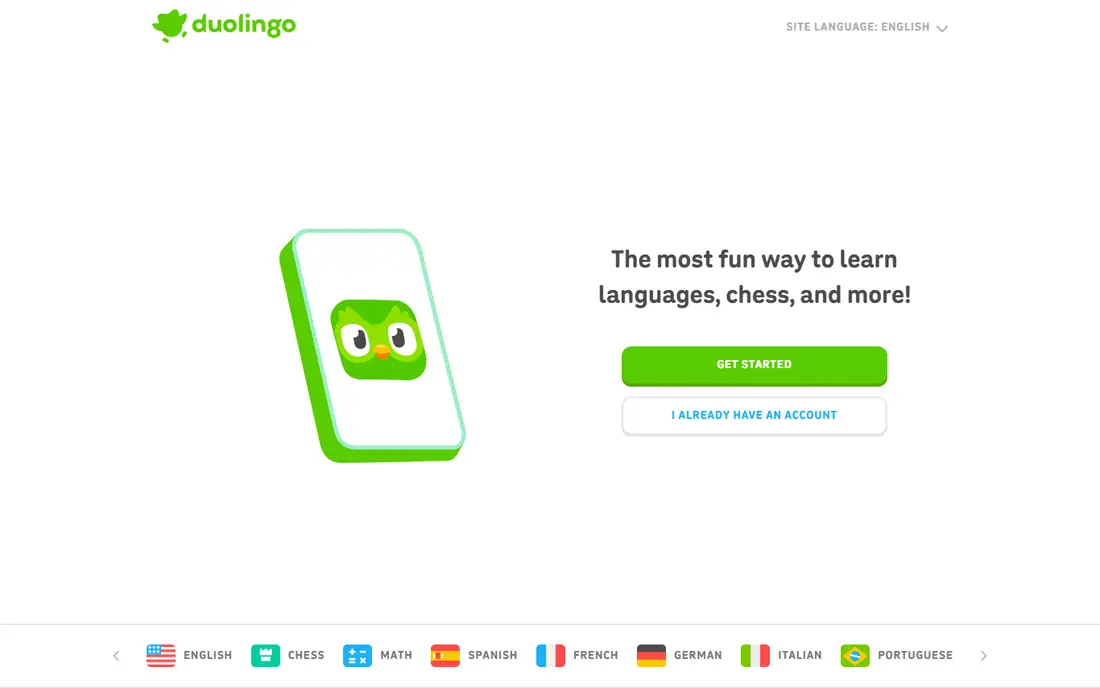
Duolingo is the lowest-friction way to start Spanish. Lessons are short, the app nudges you to keep a streak, and you can practise vocabulary, sentences, and basic listening without paying. For absolute beginners, that daily habit matters more than a perfect curriculum.
The limit shows up later. Many learners find Duolingo strong up to a basic level, then thin on grammar detail and free conversation. Use it to build vocabulary and routine, then add a structured course or tutor when you want to speak in full sentences with confidence.
- Free tier covers core lessons
- Short, game-like lessons build a daily habit
- Reading, writing, listening, and speaking practice in one app
- Grammar explanations are thin
- Progress slows at intermediate level
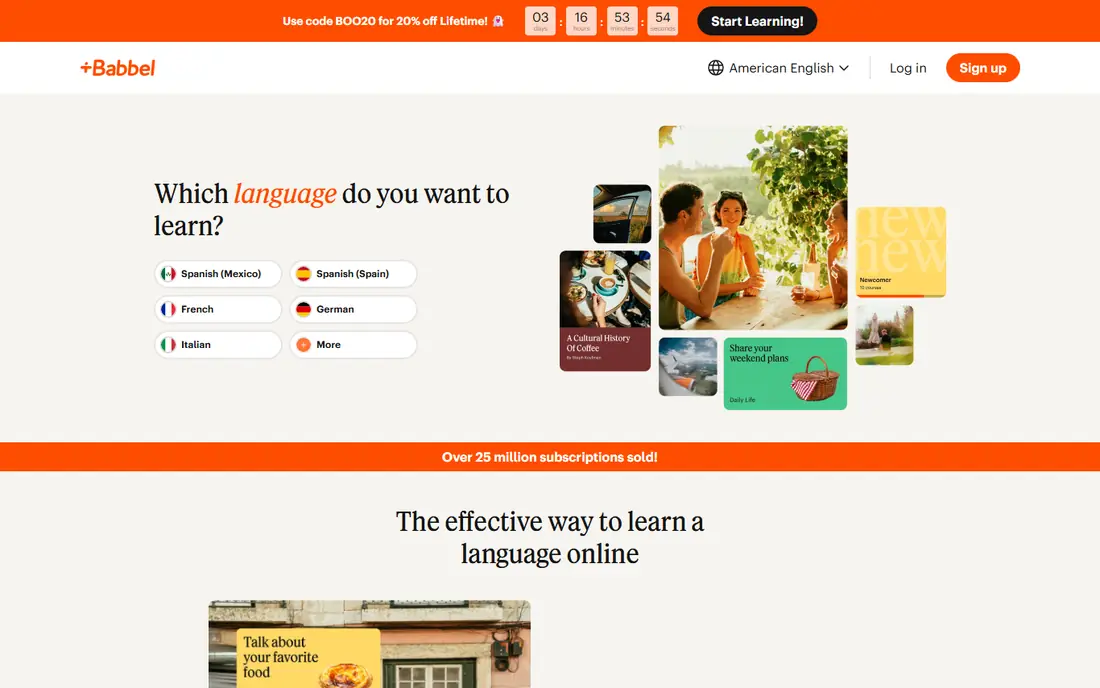
Babbel feels more like a course than a game. Lessons follow everyday situations, such as ordering food, travel, and work, and they explain grammar as you meet it. That structure helps learners who got stuck on Duolingo and want to know why a sentence works, not just how to repeat it.
Spanish is one of Babbel's core languages, so the course depth is stronger here than for less common languages. Check the current monthly and annual prices on its site, because Babbel changes promotions often. The trade-off is simple: you pay, but you get a clearer path from beginner to intermediate.
- Lessons built around real dialogues
- Clear grammar progression
- Speech recognition for pronunciation practice
- Fewer languages than Duolingo, though Spanish is well covered
- No free tier beyond a trial or sample lessons
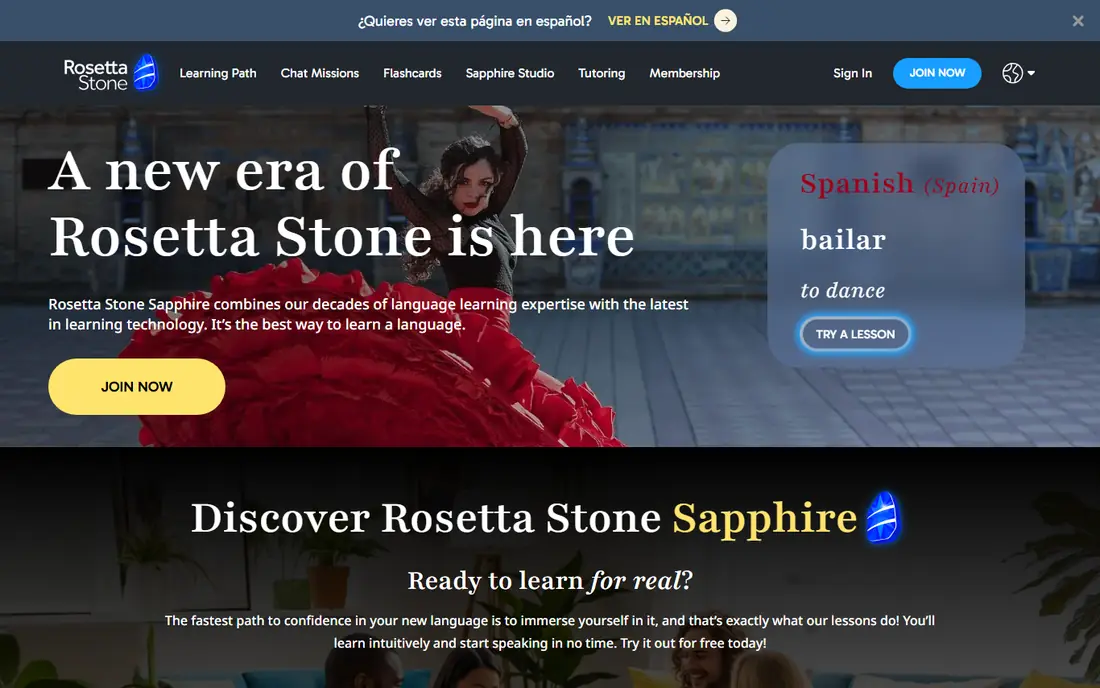
Rosetta Stone teaches by association. You see images, hear Spanish, and match meaning without English translations in the core lessons. That method suits visual learners and people who want to train their ear and pronunciation from the start.
The downside is pace. If you like clear grammar rules, you may find Rosetta Stone slow to explain verb forms and sentence structure. It works best as a foundation for vocabulary and pronunciation, paired with a grammar-focused resource when you reach intermediate topics.
- Picture-based immersion without translation
- TruAccent speech recognition
- Offline lessons on paid plans
- Grammar progression can feel slow
- Image guessing can frustrate some learners
Pimsleur is built for people who learn by listening and speaking. Each lesson asks you to respond out loud, recall phrases, and build sentences step by step. That active recall helps with the moment many learners fear most: actually saying something in Spanish.
Reading and writing get less attention, so Pimsleur alone will not teach you to read articles or write emails well. Use it for speaking confidence and listening, and add reading practice from another app or book if literacy matters to you.
- 30-minute audio lessons fit commutes and walks
- Strong focus on speaking and listening
- Spaced repetition for recall
- Light on reading and writing
- Subscription cost adds up over many months
Busuu gives learners a clear sense of level. Its Spanish courses follow the Common European Framework, so you can see whether you are at A1, A2, or B1, and what comes next. Native speakers can correct your written and spoken exercises, which adds feedback that a solo app cannot give.
The free tier lets you try the core course, but premium adds offline mode, grammar review, and full feedback features. If you want measurable progress and peer corrections without booking a tutor, Busuu is a strong middle option between Duolingo and live lessons.
- Courses mapped to CEFR levels from A1 to B2
- Native-speaker corrections on exercises
- Grammar and vocabulary in one path
- Smaller language list than Duolingo
- Full premium features need a paid plan
Memrise stands out for listening to real people. Short clips show native speakers using phrases in natural speech, which helps you hear speed, accent, and rhythm that textbook audio often smooths out. Spaced repetition then brings words back at intervals to help you remember them.
It is not a complete Spanish course on its own. Grammar and conversation practice are thinner than in Babbel or Busuu. Use Memrise as a vocabulary and listening booster alongside a main course, especially before a trip when you need useful phrases fast.
- Short video clips of native speakers
- Spaced repetition for vocabulary
- Useful for everyday phrases and listening
- Less structured as a full course
- Some advanced features need a paid plan
italki is the fastest way to break through the speaking barrier. You book a tutor, choose a topic, and practise real conversation with feedback on pronunciation and grammar. That human correction is hard to copy with AI or recorded lessons, and it helps intermediate learners most.
The trade-off is choice. Tutors differ in style, price, and experience, so you may need to try two or three before you find a good fit. Lesson prices in recent summaries start from about $4, with experienced professional teachers charging more. Set a clear goal for each lesson, such as travel Spanish or verb practice, to get the most from the time.
- One-to-one lessons with native tutors
- Prices vary by tutor, so you can start cheaply
- Flexible scheduling and lesson focus
- Quality varies by tutor
- No fixed curriculum unless you and your tutor build one
Rocket Spanish suits self-directed learners who want a complete course without a monthly bill. It combines interactive audio lessons, language and culture lessons, and reinforcement activities in a structured path. Recent summaries list Level 1 from $99.95 as a one-time purchase, with higher prices for all levels.
Because you buy rather than subscribe, the cost makes sense if you study for months. If you only want a few weeks of casual practice, a free app or a short subscription may be cheaper. Check the current level pricing on its site, since bundles and sales change.
- Full course with audio, culture lessons, and grammar
- One-time purchase rather than a monthly subscription
- Lifetime access on purchased levels
- Upfront cost is higher than a month of a subscription app
- Less game-like motivation than Duolingo
Mondly works well for learners who want variety in short bursts. Lessons cover topics from travel to business, and the app tracks daily progress to keep you returning. Speech recognition and chatbot exercises give you low-pressure speaking practice before you talk to a real person.
Advanced learners may outgrow it faster than a structured course. Grammar detail and long-form conversation practice are limited compared with Babbel, Busuu, or italki. Use Mondly as a daily supplement or a fun second app, not as your only path to intermediate Spanish.
- Short daily lessons on varied topics
- Speech recognition and chatbot conversation practice
- Clear progress tracking
- Depth is thinner than Babbel or Busuu for advanced grammar
- Full features need a paid plan
SpanishPod101 is best for learners who like learning by listening. Lessons are organised by level, from absolute beginner to advanced, and each one pairs audio with notes and vocabulary. That format suits commutes, chores, and anyone who prefers podcasts to game-like drills.
The site can feel crowded, and you need to choose a level path rather than letting the app guide every step. A free plan gives you a taste, while premium tiers in recent summaries range from a few dollars to over $20 per month depending on features. Pick it if listening is your weak point.
- Large library of audio and video lessons by level
- Lesson notes, vocabulary lists, and transcripts
- Good for listening comprehension
- Website and lesson library can feel busy
- Premium tiers are needed for full study tools
How we picked these
We compared official course pages, pricing pages, app store listings, and public reviews for Spanish courses specifically. We looked for a clear Spanish curriculum or tutor option, current pricing or a free tier, and a distinct strength, such as audio learning, grammar structure, or live conversation. We left out general tools with no real Spanish course and apps that no longer offer Spanish.
We did not claim hands-on testing. Our notes rest on vendor descriptions, pricing pages, and reviewer reports about lesson style and limits. Prices and promotions change often, so confirm the current plan on the vendor site before you pay, especially for annual and lifetime offers.
How to choose the right app for fast progress
Start with your level and your time. Beginners who have ten minutes a day should start free with Duolingo, then add Babbel or Busuu when grammar questions pile up. Learners who already know basics should spend more time speaking, so italki or Pimsleur will move you faster than another vocabulary app.
Build a simple weekly routine
A workable routine is daily practice plus two speaking or listening sessions each week. For example, use Duolingo or Babbel for 15 minutes on weekdays, listen to SpanishPod101 or Pimsleur on a commute, and book one italki lesson each week. That mix covers vocabulary, listening, and speaking, which a single app rarely does alone.
Learn Spanish fast without skipping the basics
Fast progress usually means consistent speaking, not more apps. Short daily lessons help, but you also need to hear real Spanish and try to respond, even with mistakes. Watch shows with Spanish subtitles, read short news items, and practise the same phrases out loud until they feel natural.
Watch for costs that add up
Monthly subscriptions look small, but two or three apps can cost more than one tutor lesson per week. Start with one paid app, use free tiers for the rest, and cancel what you do not open. One-time courses such as Rocket Languages can be cheaper over a year if you study steadily, while a free app is still the best choice if you are only testing interest.