Best Top Fintech Software Development Companies in 2026: 10 Companies Compared
By ToolNimba Editorial Team November 12, 2026 10 min read

- Top pick
 Itexus
Regulated banking and trading products
Starting priceSee websiteCheck out ItexusRead our review - Runner-up
 ELEKS
Large enterprise financial systems
Starting priceSee websiteCheck out ELEKSRead our review - Also great
 Intellectsoft
Digital banking and blockchain products
Starting priceSee websiteCheck out IntellectsoftRead our review
How we researched this
We compared official pricing and feature pages, app store listings, privacy policies and public user reviews. Prices change, so check the provider's site before you pay.
Key takeaways
- Fintech work needs compliance and money handling built in from day one, not added later.
- Specialist firms beat general agencies on payments, banking, and trading workflows.
- Most pricing is quoted per project, so ask for scope, team seniority, and support terms in writing.
- A short discovery phase can reveal gaps in security, testing, and regulatory knowledge before a large contract.
Quick comparison
| Name | Best for | Starting price | Free plan | |
|---|---|---|---|---|
| Itexus | Regulated banking and trading products | See website | No | Visit |
| ELEKS | Large enterprise financial systems | See website | No | Visit |
| Intellectsoft | Digital banking and blockchain products | See website | No | Visit |
 10Pearls | Enterprise fintech modernization | See website | No | Visit |
 Kindgeek | Fintech startups and digital banking | See website | No | Visit |
 Netguru | Product-focused fintech teams | See website | No | Visit |
 ScienceSoft | Regulated institutions and legacy modernization | See website | No | Visit |
 Cleveroad | Fintech apps with AI features | See website | No | Visit |
 SDK.finance | Fast neobank and wallet launches | See website | No | Visit |
 Andersen | Banks and neobanks at scale | See website | No | Visit |
The best top fintech software development companies
We compared official feature pages, pricing pages, and app store listings to put this list together. This is not financial advice. These are development firms, not investment products, and you should take separate legal and compliance advice for a regulated product. Use the table above for a fast shortlist, then read the full write-up for the product that matches your budget and your main job.
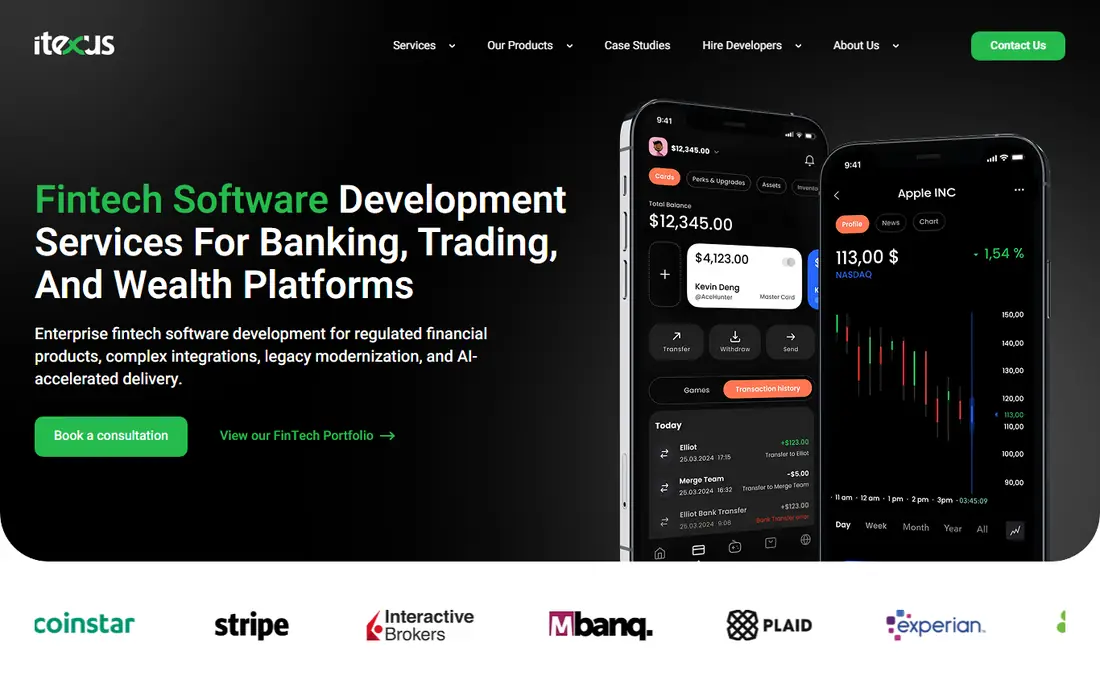
Itexus is a strong pick for regulated banking and trading products. Itexus focuses only on fintech, which shows in its work on banking, wealth, and trading products. Its main strengths are fintech-only focus; banking and trading experience; senior engineering team in practice, which helps explain why it keeps showing up in shortlists for this topic. The catch is worth naming before you sign up. Quote-only pricing. That trade-off matters most if you plan to use the product every day, because small limits add up over time. Check the current pricing page and the plan limits before you commit, since vendors change tiers during the year.
- Fintech-only focus
- Banking and trading experience
- Senior engineering team
- Quote-only pricing
- Smaller team than large consultancies
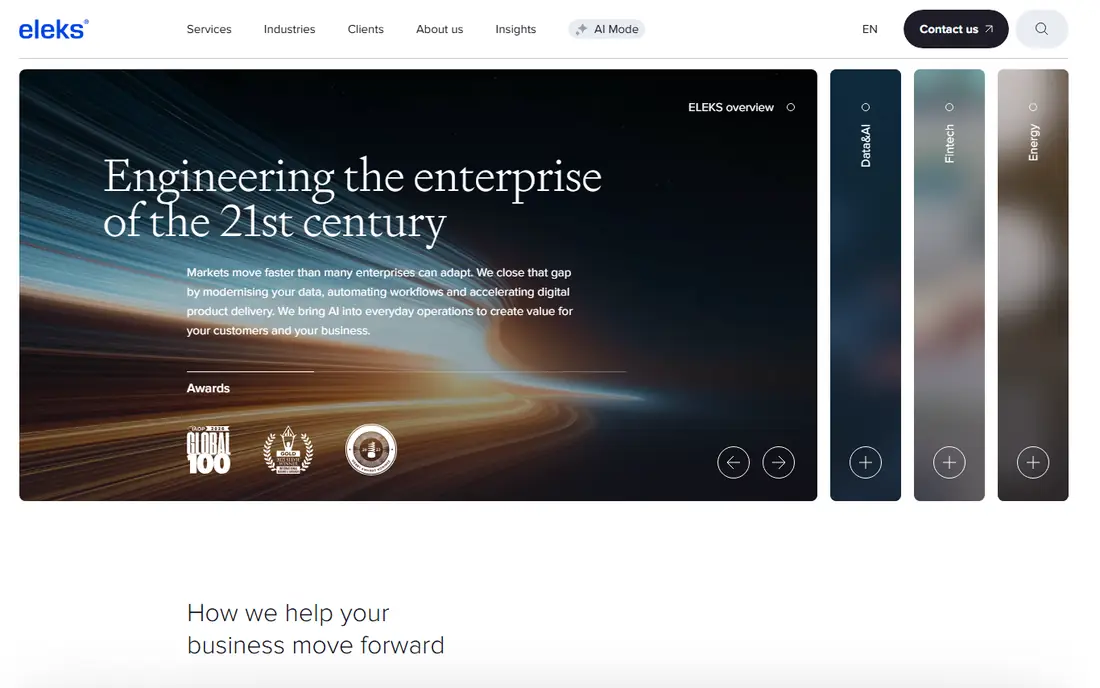
ELEKS is a strong pick for large enterprise financial systems. ELEKS suits a bank or insurer that needs a large team and formal delivery process. Its main strengths are large delivery capacity; enterprise and ai experience; long track record in practice, which helps explain why it keeps showing up in shortlists for this topic. No product here is perfect, and this one is no exception. Enterprise process can feel heavy for a small startup. If that limit touches your main use case, the next option on this list may fit better. If it does not, the strengths above may outweigh it for your team or your household.
- Large delivery capacity
- Enterprise and AI experience
- Long track record
- Enterprise process can feel heavy for a small startup
- Pricing is quoted
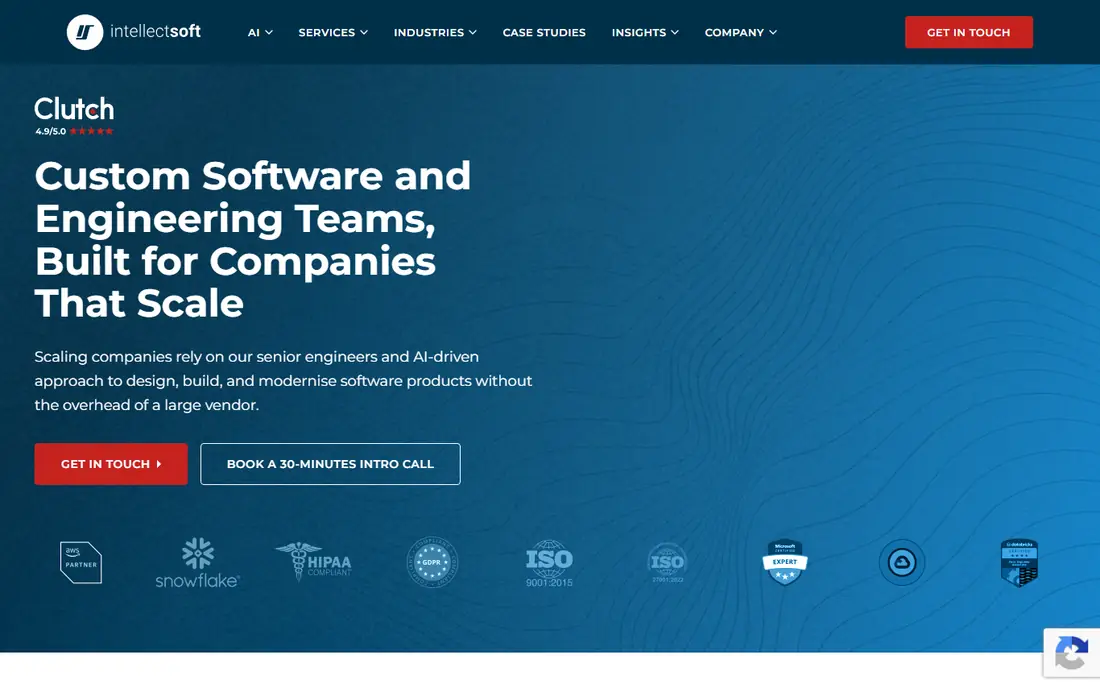
Intellectsoft is a strong pick for digital banking and blockchain products. Intellectsoft is a useful shortlist pick for a digital banking app or a wallet product. Its main strengths are mobile and enterprise experience; blockchain work; us presence in practice, which helps explain why it keeps showing up in shortlists for this topic. Before you choose, weigh that weakness against the fit. Quote-only pricing. A short trial, a free plan, or a demo call will tell you more than any feature list. Bring your real workload to that trial, not a toy example.
- Mobile and enterprise experience
- Blockchain work
- US presence
- Quote-only pricing
- Project fit varies by team
10Pearls is a strong pick for enterprise fintech modernization. 10Pearls fits an established company that wants to modernize a system without losing control of data and security. Its main strengths are enterprise scale; ai and data work; us headquarters in practice, which helps explain why it keeps showing up in shortlists for this topic. The catch is worth naming before you sign up. Large-firm pricing and process. That trade-off matters most if you plan to use the product every day, because small limits add up over time. Check the current pricing page and the plan limits before you commit, since vendors change tiers during the year.
- Enterprise scale
- AI and data work
- US headquarters
- Large-firm pricing and process
- Less suited to a tiny MVP budget
Kindgeek is a strong pick for fintech startups and digital banking. Kindgeek is a good match for a startup that wants a product team, not just extra developers. Its main strengths are fintech product focus; payments and banking clients; iso and pci dss work in practice, which helps explain why it keeps showing up in shortlists for this topic. No product here is perfect, and this one is no exception. Mid-size team, so very large programs need careful staffing checks. If that limit touches your main use case, the next option on this list may fit better. If it does not, the strengths above may outweigh it for your team or your household.
- Fintech product focus
- Payments and banking clients
- ISO and PCI DSS work
- Mid-size team, so very large programs need careful staffing checks
Netguru is a strong pick for product-focused fintech teams. Netguru works well when design and a clear product story matter as much as the code. Its main strengths are strong product design; digital banking experience; european delivery base in practice, which helps explain why it keeps showing up in shortlists for this topic. Before you choose, weigh that weakness against the fit. Not a fit for deep legacy core banking replacement alone. A short trial, a free plan, or a demo call will tell you more than any feature list. Bring your real workload to that trial, not a toy example.
- Strong product design
- Digital banking experience
- European delivery base
- Not a fit for deep legacy core banking replacement alone
ScienceSoft is a strong pick for regulated institutions and legacy modernization. ScienceSoft is a sensible pick for a regulated firm with older systems to update. Its main strengths are long history in banking and lending; ai and analytics work; compliance focus in practice, which helps explain why it keeps showing up in shortlists for this topic. The catch is worth naming before you sign up. Quote-only pricing. That trade-off matters most if you plan to use the product every day, because small limits add up over time. Check the current pricing page and the plan limits before you commit, since vendors change tiers during the year.
- Long history in banking and lending
- AI and analytics work
- Compliance focus
- Quote-only pricing
- Onboarding can take time on complex estates
Cleveroad is a strong pick for fintech apps with ai features. Cleveroad suits a team that wants an app plus AI features, such as fraud checks or personalization. Its main strengths are mobile and web delivery; ai work; iso and soc 2 practices in practice, which helps explain why it keeps showing up in shortlists for this topic. No product here is perfect, and this one is no exception. Smaller brand recognition in the US than some rivals. If that limit touches your main use case, the next option on this list may fit better. If it does not, the strengths above may outweigh it for your team or your household.
- Mobile and web delivery
- AI work
- ISO and SOC 2 practices
- Smaller brand recognition in the US than some rivals
- Pricing is quoted
SDK.finance is a strong pick for fast neobank and wallet launches. SDK.finance is worth a look when speed to launch matters more than building every part from scratch. Its main strengths are platform approach can speed launch; payments and wallet focus; modular setup in practice, which helps explain why it keeps showing up in shortlists for this topic. Before you choose, weigh that weakness against the fit. Platform limits may not suit a fully custom core. A short trial, a free plan, or a demo call will tell you more than any feature list. Bring your real workload to that trial, not a toy example.
- Platform approach can speed launch
- Payments and wallet focus
- Modular setup
- Platform limits may not suit a fully custom core
- Pricing is quoted
Andersen is a strong pick for banks and neobanks at scale. Andersen fits a large program that needs many engineers and a formal governance model. Its main strengths are very large team; banking and ai work; broad service range in practice, which helps explain why it keeps showing up in shortlists for this topic. The catch is worth naming before you sign up. Large-vendor process. That trade-off matters most if you plan to use the product every day, because small limits add up over time. Check the current pricing page and the plan limits before you commit, since vendors change tiers during the year.
- Very large team
- Banking and AI work
- Broad service range
- Large-vendor process
- Small projects may not get priority
How we picked these
We started with products that exist and work in October 2026 and that truly fit the topic, then we checked each official homepage and pricing page. We favored products with clear pricing, a usable free plan or trial where one exists, and features that match the main job in the keyword. We left out products that had closed, changed focus, or did not fit the topic, even when they were well known in a nearby category. We did not claim hands-on testing. Our comparison rests on official documentation, pricing pages, app store listings, and public help pages. Prices change, so treat the figures here as a snapshot from October 2026 and confirm the current price before you pay.
Choosing a fintech development partner
Start with your regulatory scope. A payments app, a lending platform, and a trading system face different rules, and a vendor that has shipped in your exact area will ask better questions in the first meeting. Ask for examples in your area, not just a general portfolio. Next, check how the vendor handles money safely. Ask about testing for payments, reconciliation, audit trails, access controls, and incident response. A credible partner will explain these in plain terms and show how they are built into each sprint. Finally, compare delivery models. A dedicated product team suits a long-term product, while staff augmentation suits a team that already has product leadership in house. Get the team composition, the seniority mix, and the exit terms in writing before you sign.
Sources
Frequently asked questions
What is the best fintech software development company?
There is no single best choice for every project. A startup with a wallet idea needs a different partner than a bank replacing a core system. Shortlist two or three firms from this list, then judge them on relevant work, compliance knowledge, and team fit.
What is the best fintech app development company for a startup?
For a startup, a product-focused firm such as Kindgeek or Netguru is often a better fit than a very large consultancy. They tend to move faster on an MVP and give more attention to design and launch. Still, check their payments and security experience before you commit.
How much does fintech software development cost?
Most firms on this list quote per project, so costs vary with scope, team size, and compliance needs. A small MVP costs far less than a regulated banking platform. Ask for a phased quote with a discovery stage so you can test fit before a large commitment.
Do I need a fintech specialist or a general software agency?
A specialist is usually safer when money movement, regulation, or security is central to the product. A general agency can work for a simple marketing site or internal tool. For a payments, banking, or trading product, specialist experience reduces risk.
What should I ask in the first call with a fintech developer?
Ask about similar products they have shipped, how they handle compliance and security testing, who will actually work on your project, and how they price changes. Their answers will tell you more than a sales deck. Also ask for client references you can contact.