Top Software Release News Websites in 2026: 9 Sites Compared
By ToolNimba Editorial Team November 12, 2026 10 min read

- Top pick
 TechCrunch
Startup and product launches
Starting priceFreeCheck out TechCrunchRead our review - Runner-up
 The Verge
Consumer tech launches
Starting priceFreeCheck out The VergeRead our review - Also great
 Ars Technica
Technical depth
Starting priceFreeCheck out Ars TechnicaRead our review
How we researched this
We compared official pricing and feature pages, app store listings, privacy policies and public user reviews. Prices change, so check the provider's site before you pay.
Key takeaways
- TechCrunch is the fastest general source for startup launches and funding news, while Ars Technica is the best choice for technical depth.
- The Verge and Engadget cover consumer product launches best, with reviews and hands-on context alongside the announcement.
- Hacker News is free and fast for developer releases, but it is a community feed, so quality varies by thread.
- Most of these sites are free to read, while Wired and MIT Technology Review use metered paywalls for full access.
- No single site covers everything, so a mix of one breaking-news site, one technical site, and one community feed works best.
Quick comparison
| Name | Best for | Starting price | Free plan | |
|---|---|---|---|---|
| TechCrunch | Startup and product launches | Free | Yes | Visit |
| The Verge | Consumer tech launches | Free | Yes | Visit |
| Ars Technica | Technical depth | Free | Yes | Visit |
 Engadget | Gadget and software launches | Free | Yes | Visit |
 ZDNET | Business software news | Free | Yes | Visit |
 CNET | Buying advice after launch | Free | Yes | Visit |
 Wired | Long-form tech stories | See website | No | Visit |
 Hacker News | Developer releases and discussion | Free | Yes | Visit |
 MIT Technology Review | Emerging technology research | See website | No | Visit |
The best software release news websites
Software releases arrive every day, from app updates and AI model launches to operating system releases and developer tools. The sites below are the ones we would check first, each with a different strength, so you can follow launches without reading the same press release ten times.
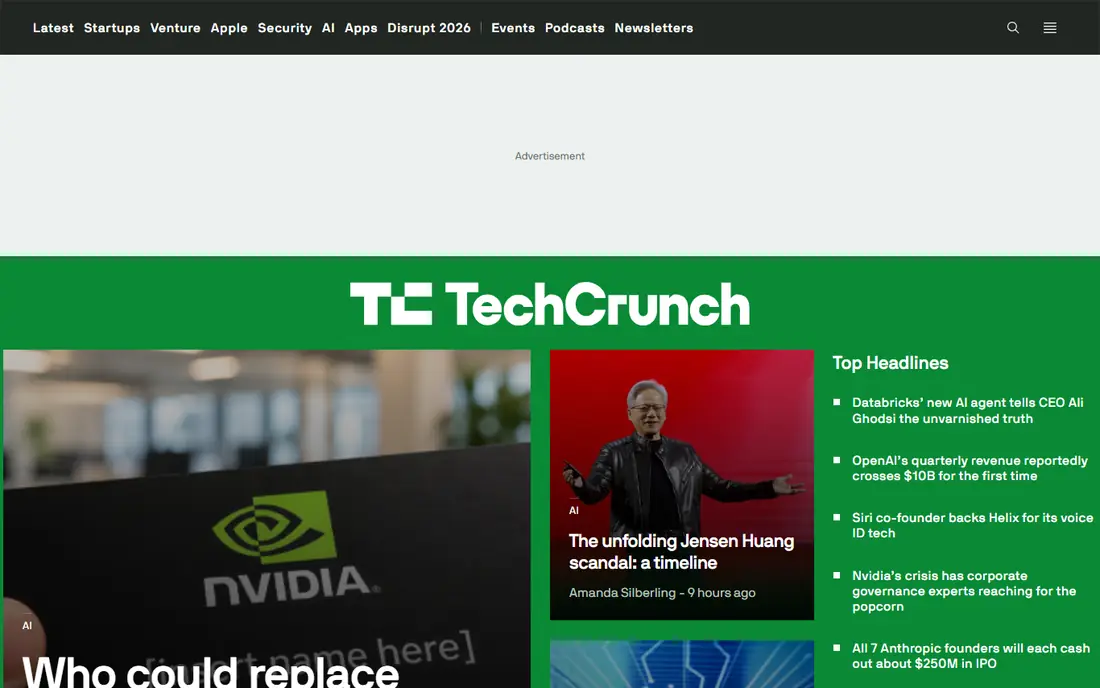
TechCrunch has been the default first read for startup launches for years, and that habit is well earned. When a company raises money, ships a new product, or gets acquired, TechCrunch is often among the first to report it, with the basic facts up front and links to the company announcement. Its AI coverage is especially active, which matters now that model and app releases arrive almost weekly.
The trade-off is focus. Coverage skews toward US startups and venture-backed companies, so a small open source release or a business software update may get a shorter mention or none at all. For launch news with a business angle, though, it remains the fastest general source, and most articles are free to read without an account.
- Fast breaking news on startups and funding
- Strong AI and app launch coverage
- Events such as Disrupt add context
- Coverage leans toward US startups
- Depth varies on fast breaking stories
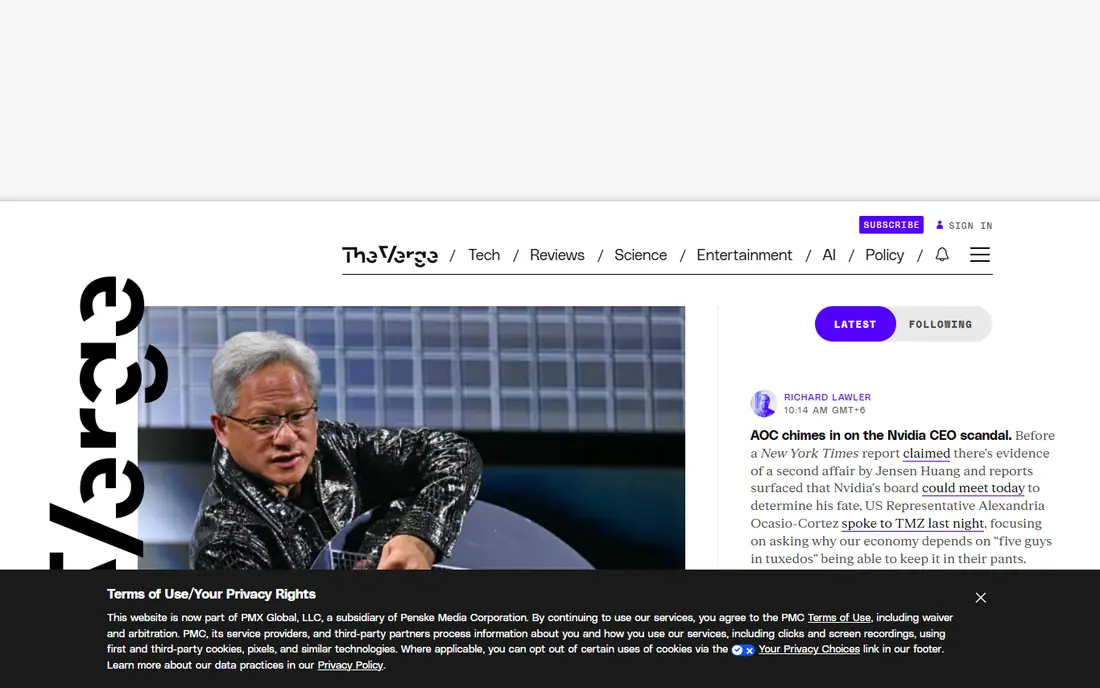
The Verge is the best place to understand a consumer launch in context. It does not just repeat the announcement, it explains what changed, what it costs, and how it compares with what came before, often with hands-on impressions and video. That approach suits readers who want to know whether an update is worth installing, not just that it exists.
The site covers a lot beyond software, from gadgets and cars to culture and policy, so pure developer news can be harder to find on busy days. Some articles are metered, though much of the daily news remains free. If you follow phones, apps, and consumer AI products, The Verge should be on your daily list.
- Clear explainers on what a launch means for users
- Strong reviews and video coverage
- Wide consumer tech scope
- Some content sits behind a metered paywall
- Culture coverage can crowd out pure software news
Ars Technica is where we go when a launch needs a second, more careful read. Its writers explain the technical detail behind a release, whether that is a security flaw, a new chip feature, or a change to a platform policy, and they are careful about what is confirmed and what is still rumour. That care makes it a trusted source for IT professionals and developers.
It is not the fastest site for startup funding news, and it will not chase every app update. What it does, it does thoroughly, with links to primary sources where possible. The core site is free, with an optional subscription for an ad-free experience. For software releases that affect security, privacy, or infrastructure, Ars Technica is hard to beat.
- Rigorous technical reporting
- Clear explainers on security and policy
- Optional subscription removes ads
- Less focused on startup gossip
- Tone assumes some technical knowledge
Engadget has covered consumer technology launches for two decades, and it remains a reliable daily read. On launch day you will find the announcement, the key specs, and often a first hands-on piece, followed by a fuller review once the team has spent more time with the product. That two-step rhythm helps you separate launch hype from real performance.
Enterprise and developer software gets less attention here than consumer products, so pair Engadget with a technical site if your work depends on backend releases. For phones, laptops, apps, and smart home software, it is a fast, free, and readable source.
- Fast launch coverage with hands-on reviews
- Broad gadget and app scope
- Free to read
- Reviews can be short on launch day
- Less depth on enterprise software
ZDNET is the most practical site in this list for people who use software at work. Its launch coverage focuses on what a release changes for businesses, IT teams, and professionals, from Microsoft and Google updates to security patches and cloud services. Follow-up how-to articles are a real strength, because they help you use the new feature rather than just read about it.
It is less lively than The Verge on consumer launches, and the homepage carries a lot of stories at once. But if you need to know whether an update affects your tools, your security, or your workflow, ZDNET answers that question directly and is free to read.
- Practical coverage for work use
- Strong enterprise and security reporting
- Clear how-to follow-ups
- Less consumer launch excitement
- Site design can feel busy
CNET is best used just after a launch, when the question shifts from what was announced to whether you should buy or install it. Its testing and comparison pieces are detailed, and its how-to guides cover the settings and features that launch articles skip. For phones, laptops, streaming apps, and smart home software, that practical follow-through is valuable.
On breaking news, CNET is usually a step behind TechCrunch or The Verge, so it works better as a second read than a first alert. It is free to read, with a large archive of reviews that helps you compare a new release with older models before you spend money.
- Thorough product testing
- Clear buying advice
- Wide how-to library
- Launch news can be slower than specialist sites
- Ads are prominent
Wired is not a breaking-news site, and that is its strength. Its long features explain the people, companies, and ideas behind a release, from AI labs to cybersecurity policy, with reporting that goes well beyond the press release. If you want to understand why a launch matters, rather than just what it contains, Wired is the place to go after the first wave of news.
The catch is access. Wired uses a metered paywall, so regular readers will need a subscription for full access, and daily launch coverage is thinner than on TechCrunch or Engadget. Use it weekly, for depth, alongside a faster daily source.
- Deep features on how technology changes society
- Strong investigations
- Polished writing
- Metered paywall limits free reading
- Less useful as a daily breaking-news feed
Hacker News, run by Y Combinator, is a community feed where developers and founders post releases, technical writing, and open source projects. It is often the first place a small developer tool or a thoughtful engineering post surfaces, long before mainstream sites cover it. The comment threads can be as useful as the link, with practitioners pointing out flaws, alternatives, and real-world experience.
There is no reporting team here, so accuracy depends on the linked source and the discussion, and the plain design puts some readers off. Treat it as a discovery feed and a discussion forum, not a verified newsroom, and verify important claims against the original announcement. For software releases, especially developer tools, it is unmatched for speed and breadth, and it costs nothing.
- Very fast links to releases and technical posts
- Sharp community discussion
- Completely free
- Community quality varies
- No original reporting team
- Design is plain
MIT Technology Review covers the research and emerging technology behind future releases, from AI models and robotics to energy and biotech. Its reporting is careful and well sourced, and it explains complex work in language a non-specialist can follow. That makes it a good source for understanding where software is heading, not just what shipped this week.
Everyday app and consumer software releases get little attention here, and full access requires a subscription after a limited number of free articles. For readers who follow AI, science, and long-term technology trends, it is a trusted complement to the faster news sites above.
- Authoritative coverage of AI, biotech, and emerging research
- Clear explanations of complex topics
- Respected reporting
- Subscription needed for full access
- Less coverage of everyday app updates
How we picked these
We compared long-running technology news sites on launch speed, technical accuracy, breadth of software coverage, and free access, using their own homepages and recent coverage as the check. We kept only sites that are actively publishing in 2026 and that cover software releases as a regular beat, not just occasionally. We favoured a mix of breaking news, technical depth, business practicality, and community discovery, so readers can build a short daily routine rather than following twenty feeds.
How to follow software releases without overload
Pick three sites and stick to them. A good routine is one fast news site for the morning, one technical or business site for the workday, and one community feed for developer releases. Check release notes from the vendor itself before you install anything important, because news coverage sometimes repeats a marketing claim without testing it. Use newsletters or RSS feeds from your chosen sites if you want one daily digest instead of checking homepages all day.
Be careful with launch-day claims about performance, privacy, and pricing. Early hands-on pieces are based on limited time with a product, and full reviews often revise the first impression. If a release affects your security or your business tools, wait for the vendor documentation and for coverage from a technical site such as Ars Technica or ZDNET before you roll it out widely. That short pause saves far more time than it costs.
Sources
Frequently asked questions
What are the top websites for software releases?
TechCrunch, The Verge, Ars Technica, Engadget, and ZDNET are the strongest general choices, with Hacker News added for developer releases. Together they cover startup launches, consumer products, technical detail, business software, and small open source projects.
Which software news website is free?
TechCrunch, The Verge, Ars Technica, Engadget, ZDNET, CNET, and Hacker News are all free to read for most daily news, though some sites add optional subscriptions or metered limits. Wired and MIT Technology Review require a subscription for full access.
Where do developers find new software releases first?
Hacker News is often first for developer tools and open source projects, because the community posts links directly. Vendor blogs, release notes, and project pages are the primary source, so follow the project itself for the most accurate detail.
Is TechCrunch good for software release news?
Yes, especially for startup and AI product launches, funding news, and acquisitions. It is fast and broad, but it leans toward US startups, so pair it with a technical site for depth on security and infrastructure releases.
What is the best site for in-depth software news?
Ars Technica is our pick for technical depth, and MIT Technology Review is best for emerging research. Both take more time with a story than a breaking-news site, and both are more careful about distinguishing confirmed facts from rumour.